Japanese Living Room Furniture Ideas to Transform Your Space
Japanese living room furniture blends minimalism, natural materials, and timeless design to create spaces that feel calm and inviting. These ideas draw from centuries of Japanese aesthetic principles like wabi-sabi and zen simplicity. You will learn how to incorporate low-profile pieces, shoji screens, and bamboo elements into any room. Transform your living space with practical tips and inspiring examples.
Japanese living room furniture has captured the imagination of homeowners around the world. The blend of simplicity, natural beauty, and thoughtful design creates spaces that feel both peaceful and stylish. If you have been searching for ways to refresh your living room, Japanese-inspired furniture offers a path worth exploring.
You do not need a traditional Japanese home to enjoy these ideas. Whether you live in a small apartment or a spacious house, the principles of Japanese design can transform any room. The focus is on quality over quantity, calm over clutter, and beauty in simplicity.
In this article, we will walk you through the best Japanese living room furniture ideas you can use today. You will learn about key design principles, popular furniture styles, and practical tips for bringing this aesthetic into your own space. Let us dive in and explore how Japanese design can change the way you think about your living room.
Key Takeaways
- Minimalist Design: Japanese living room furniture embraces clean lines and uncluttered spaces for a calming atmosphere.
- Natural Materials: Wood, bamboo, and natural fibers form the backbone of authentic Japanese furniture styles.
- Space-Saving Solutions: Low-profile and multifunctional pieces maximize small living areas effectively.
- Wabi-Sabi Philosophy: Imperfect and weathered finishes add character and warmth to your living room.
- Japandi Style: Blending Japanese and Scandinavian design creates a modern yet cozy look.
- Shoji Screens and Sliding Doors: These elements enhance light flow and create flexible room layouts.
- Start Small: You do not need a full redesign to bring Japanese living room furniture into your home.
📑 Table of Contents
- Understanding Japanese Living Room Furniture Design
- Popular Types of Japanese Living Room Furniture
- Incorporating Japanese Decor Elements
- Japandi Style: Where Japanese and Scandinavian Design Meet
- Practical Tips for Choosing Japanese Living Room Furniture
- Common Mistakes to Avoid
- Bringing It All Together: A Sample Layout
Understanding Japanese Living Room Furniture Design
Japanese furniture design is rooted in centuries of tradition and philosophy. It is not just about how things look. It is about how a space makes you feel. Every piece serves a purpose, and nothing is placed without thought. This mindset sets Japanese living room furniture apart from mass-produced Western styles.
The Core Principles of Japanese Interior Design
Several guiding principles shape Japanese living room furniture. Understanding these will help you make better choices for your home.
- Simplicity: Clean lines and uncluttered surfaces define the Japanese aesthetic. Each item earns its place in the room.
- Natural Materials: Wood, bamboo, rice paper, and linen are staples. These materials bring warmth and texture to any space.
- Balance and Harmony: Furniture is arranged to create visual balance. The room feels complete without overcrowding.
- Connection to Nature: Indoor and outdoor spaces flow together. Plants, natural light, and organic shapes reinforce this bond.
When you keep these principles in mind, choosing Japanese living room furniture becomes much easier. You start to see pieces not just as objects, but as elements that contribute to a greater sense of peace and well-being.
Wabi-Sabi: Finding Beauty in Imperfection
Wabi-sabi is a central concept in Japanese design. It celebrates the beauty of imperfect, weathered, and handmade things. A wooden table with visible grain or a ceramic vase with an uneven glaze tells a story. It carries the marks of time and human touch.
Incorporating wabi-sabi into your living room means choosing furniture with natural finishes. Look for pieces that show their age gracefully. Avoid overly polished or synthetic-looking items. The goal is authenticity, not perfection. This philosophy also applies to how you live with your furniture. Scuff marks, slight fading, and wear are not flaws. They are signs of a life well-lived. Embrace this mindset when selecting and caring for your Japanese living room furniture.
Popular Types of Japanese Living Room Furniture
Japanese furniture comes in many forms, each with its own character and charm. Here are some of the most popular types you can consider for your living room.
Low-Profile Sofas and Seating
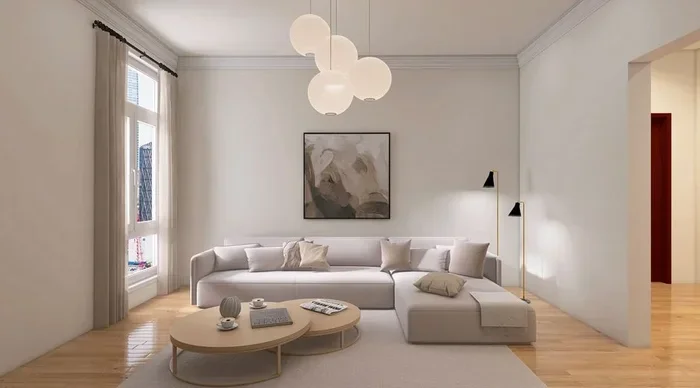
Traditional Japanese seating is close to the ground. Low-profile sofas and floor cushions reflect this heritage. They create a relaxed, grounded feeling in the room. Japanese low sofas typically sit between 10 and 15 inches high. This is much lower than standard Western couches. Pair them with a low coffee table or a flat wooden tray for an authentic look. The low height makes the room feel more spacious and open.
If a full low sofa feels too different for your home, start with a single Japanese-style armchair. A simple wooden frame with a cushion in a neutral fabric can make a big difference. You can also mix a low Japanese sofa with standard-sized pieces. This creates an interesting visual contrast that still feels cohesive. The key is to keep the overall aesthetic grounded and minimal.
Tatami-Style Furniture
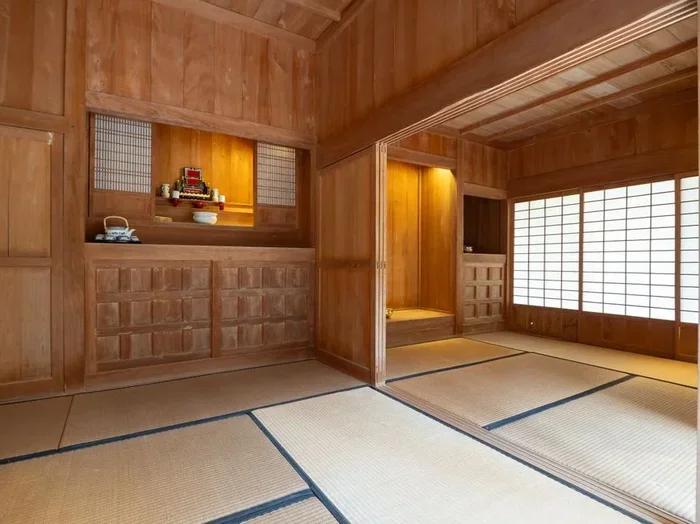
Tatami mats are iconic in Japanese interiors. They are made from woven straw and bring a natural, earthy scent to a room. Tatami-style furniture is designed to sit directly on these mats. Tatami chairs and zabuton floor cushions are common choices. They encourage sitting on the floor, which promotes good posture and a sense of mindfulness.
You do not need a full tatami room to enjoy this style. Place a few tatami-style floor seats in a corner of your living room. Add a small low table, and you have a cozy reading nook. This is one of the simplest ways to introduce Japanese living room furniture into a modern home. The soft texture of tatami adds a unique sensory element that elevates the whole space.
Futon and Bedding-Style Furniture
The futon is perhaps the most recognizable piece of Japanese furniture. In Japan, futons are rolled up and stored during the day. This frees up floor space and keeps the room open. This multifunctional approach is a key part of the Japanese living philosophy.
Modern futon-style sofas and daybeds bring this concept to Western living rooms. They serve as seating during the day and sleeping arrangements at night. Look for frames made from solid wood with clean, simple lines. A futon set in natural cotton or linen adds texture and comfort. It also stays true to the Japanese emphasis on natural materials. This makes it a perfect anchor piece for your Japanese living room furniture collection.
Japanese Coffee Tables and Low Tables
A Japanese coffee table is typically low, narrow, and made from natural wood. These tables often feature simple rectangular or oval shapes. Some include hidden storage compartments, which is a clever space-saving idea. A low wooden table pairs beautifully with floor seating or low sofas.
Bamboo coffee tables are another popular choice. Bamboo is lightweight, sustainable, and has a warm golden tone. It works well in both traditional and modern settings. When choosing a Japanese coffee table, look for pieces with visible wood grain and minimal ornamentation. The beauty should come from the material itself, not from added decorations.
Incorporating Japanese Decor Elements
Furniture alone does not define a Japanese living room. The decor and accessories you choose play an equally important role. These elements work together to create a cohesive and calming atmosphere throughout the space.
Shoji Screens and Sliding Doors
Shoji screens are lightweight panels made of wood and translucent paper. They are used as room dividers, window coverings, or decorative accents. Shoji screens filter natural light beautifully, creating a soft, diffused glow that feels entirely different from harsh overhead lighting.
You can use shoji screens to divide your living room into zones. For example, place one between the seating area and a reading corner. This adds depth and visual interest without closing off the space. Sliding doors inspired by shoji design are another option. They work well as closet doors or room dividers. The clean, minimal look complements any Japanese living room furniture arrangement perfectly.
Tokonoma: The Japanese Alcove
A tokonoma is a recessed area in the wall, often used to display art or flowers. It is a focal point in traditional Japanese rooms. While a full tokonoma requires architectural changes, you can create a simplified version in any living room.
Install a shallow shelf at eye level on one wall. Place a small ikebana flower arrangement or a scroll painting on it. This simple addition brings the spirit of a tokonoma into your space. It gives the room a sense of purpose and intention. The display changes with the seasons, keeping the space fresh and connected to nature.
Japanese Plants and Natural Accents
Plants are essential in Japanese design. They bring life, color, and a connection to nature indoors. Bamboo, bonsai trees, and peace lilies are popular choices that fit the aesthetic perfectly.
Place plants near your Japanese living room furniture to soften the look. A single bonsai on a wooden shelf can become a striking focal point. Use natural fiber baskets or ceramic pots to keep the aesthetic cohesive. Other natural accents include stone coasters, wooden trays, and linen throw pillows. These small touches add warmth and texture. They also reinforce the Japanese emphasis on natural materials and simplicity in everyday life.
Japandi Style: Where Japanese and Scandinavian Design Meet
Japandi is a trending design style that blends Japanese minimalism with Scandinavian warmth. It has gained huge popularity in recent years, and for good reason. The result is a living room that feels both serene and inviting. Japanese living room furniture pairs naturally with Scandinavian pieces because both styles value clean lines, natural materials, and functionality.
The key difference is that Japandi adds a touch more warmth and comfort. It removes the stiffness sometimes associated with purely traditional Japanese interiors. To achieve the Japandi look, start with a low wooden sofa in a neutral tone. Add Scandinavian-style throws in soft wool or cotton. Mix Japanese bamboo baskets with simple Danish ceramics. The combination feels balanced, harmonious, and incredibly welcoming.
This style works especially well for people who want the calm of Japanese design but prefer a cozier feel. You get the best of both worlds. The neutral palette keeps things peaceful, while the layered textures add depth and personality. Japandi is one of the most versatile approaches to incorporating Japanese living room furniture into a modern home.
Practical Tips for Choosing Japanese Living Room Furniture
Now that you understand the principles and styles, let us talk about how to actually choose and arrange your furniture. These practical tips will help you make the best decisions for your space and budget.
Start with a Statement Piece
Every Japanese living room needs a focal point. This could be a low wooden sofa, a beautifully crafted coffee table, or a unique Japanese cabinet. Choose one statement piece and build the rest of the room around it. A statement piece sets the tone for the entire space. It gives your eyes a place to rest and anchors the room. Without it, the space can feel scattered and unfocused.
Embrace Negative Space
Negative space is the empty area around furniture. In Japanese design, it is just as important as the furniture itself. Leaving open space makes a room feel calm, breathable, and intentional. Do not feel the need to fill every corner. Resist the urge to overcrowd your living room with too many pieces. A few well-chosen items will always look better than a crowded room full of furniture. This is one of the most important lessons from Japanese interior design.
Choose a Neutral Color Palette
Japanese living room furniture typically features a neutral color palette. Think beige, cream, soft gray, warm brown, and muted greens. These colors create a soothing backdrop for any room. You can add subtle pops of color through accessories. A single red cushion or a small piece of blue pottery can add interest. But the dominant palette should remain calm and understated. Avoid bright, bold colors for large furniture pieces. They can clash with the peaceful spirit of Japanese design. Stick to natural tones that complement the materials and textures of your room.
Prioritize Quality Over Quantity
Japanese design values craftsmanship and durability. Invest in fewer, higher-quality pieces rather than filling the room with cheap furniture. A well-made wooden table will last for decades and only improve with age. Look for solid wood construction, hand-finished details, and simple joinery. These signs of quality craftsmanship are hallmarks of authentic Japanese living room furniture. They also align with the wabi-sabi philosophy of valuing things that last. When you buy less but buy better, your living room becomes more meaningful and beautiful over time.
Common Mistakes to Avoid
Even with the best intentions, it is easy to make mistakes when adopting a Japanese furniture style. Here are some common pitfalls to watch out for as you design your space.
- Overcrowding the Room: Too many pieces destroy the sense of calm. Keep your furniture arrangement sparse and intentional. Let each piece breathe.
- Mixing Too Many Styles: Avoid combining Japanese furniture with heavily ornate Western pieces. Stick to a cohesive design direction for the best results.
- Ignoring Scale: Japanese furniture is typically low and compact. Oversized pieces will look out of place and overwhelm the room.
- Using Synthetic Materials: Fake wood, plastic finishes, and synthetic fabrics clash with the natural spirit of Japanese design. Choose real materials whenever possible.
- Neglecting Storage: Japanese living room furniture often includes hidden storage. Use baskets, cabinets, and ottomans with storage to keep spaces tidy and organized.
Avoiding these mistakes will help you create an authentic and harmonious Japanese-inspired living room. Remember, the goal is simplicity, balance, and a sense of peace. Take your time. Let each piece find its natural place in the room.
Bringing It All Together: A Sample Layout
Let us put everything into practice with a sample Japanese living room layout. This example will show you how all the elements work together to create a complete, cohesive space.
Start with a low-profile wooden sofa placed against one wall. Add a low bamboo coffee table in front of it. On the opposite wall, install a shallow shelf for your tokonoma display. Place a small potted plant and a ceramic vase on the shelf. In one corner, set up a tatami-style floor seating area with a few zabuton cushions and a small low table. Hang a shoji screen behind the sofa to add texture and divide the space softly. Add a few linen throw pillows and a natural fiber rug to tie everything together.
The result is a living room that feels calm, balanced, and beautifully designed. It is a space where you can relax, unwind, and reconnect with the simplicity of Japanese living. And the best part is, you can achieve this look with thoughtful choices and a mindful approach to furnishing your home. Japanese living room furniture offers timeless appeal and practical benefits. It transforms ordinary spaces into sanctuaries of calm and beauty. Whether you embrace the full traditional style or blend it with modern elements, the principles of Japanese design will elevate your home. Start small, choose quality pieces, and let the beauty of simplicity guide your choices. Your living room will thank you for it.
Frequently Asked Questions
What is Japanese living room furniture?
Japanese living room furniture refers to furniture inspired by traditional and modern Japanese design principles. It emphasizes simplicity, natural materials, low profiles, and clean lines. The style focuses on creating calm, balanced, and uncluttered spaces that promote relaxation and mindfulness.
How do I incorporate Japanese furniture into a small space?
Japanese design is especially well-suited for small spaces because it prioritizes minimalism and space-saving solutions. Choose low-profile furniture, multifunctional pieces like futon sofas, and use shoji screens to create zones without blocking light. Keep the color palette neutral and embrace negative space to make the room feel open and airy.
What materials are commonly used in Japanese furniture?
Natural materials are at the heart of Japanese furniture design. Wood, bamboo, rice paper, linen, and cotton are the most common. Solid hardwoods like oak, maple, and walnut are popular for frames. These materials are chosen for their warmth, durability, and connection to nature.
What is Japandi style?
Japandi is a design style that blends Japanese minimalism with Scandinavian warmth. It combines the clean lines and natural materials of Japanese design with the cozy textures and soft colors of Scandinavian interiors. The result is a living room that feels both serene and inviting, making it a popular choice for modern homes.
How much does Japanese living room furniture cost?
The cost varies widely depending on the materials, craftsmanship, and brand. Simple bamboo or wooden pieces can be affordable, while handcrafted solid wood furniture may be a significant investment. However, the Japanese philosophy of buying fewer, higher-quality pieces means you may spend less overall in the long run.
Can Japanese furniture work in modern homes?
Absolutely. Japanese living room furniture adapts beautifully to modern homes. The principles of simplicity, natural materials, and clean lines complement contemporary design perfectly. You can mix traditional Japanese pieces with modern elements to create a unique Japandi look that suits your personal style.
=== CONCLUSION ===
Japanese living room furniture offers a timeless and meaningful approach to home design. It teaches us to value simplicity, quality, and connection to nature. From low-profile sofas and tatami seating to shoji screens and natural accents, every element works together to create a space that nurtures the soul.
You do not need a complete home makeover to enjoy these ideas. Start with one or two pieces and build from there. Choose quality over quantity, embrace empty space, and let the natural beauty of materials speak for themselves. Whether you lean toward a traditional Japanese aesthetic or a modern Japandi blend, the principles remain the same: calm, balance, and intentionality.
Your living room is where you spend much of your time relaxing, connecting with family, and recharging. Making it a place of peace and beauty is one of the best investments you can make. Japanese living room furniture gives you the tools to do exactly that. Start today, and let the wisdom of Japanese design transform your home into a sanctuary of calm and elegance.