Help Decorating Your Living Room With Easy Styling Tips
Help decorating your living room is easier than most people think. With the right room styling tips and a clear plan, you can transform any space into a cozy living room that feels welcoming and stylish. This guide covers simple furniture arrangement, color palette choices, and budget-friendly decor ideas that work for any home.
Your living room is the heart of your home. It is where you relax, entertain guests, and spend quality time with family. Yet so many people struggle to make this space feel right. If you have been searching for help decorating your living room, you are in the right place.
The good news is that you do not need a huge budget or professional training. With a few smart room styling tips, you can refresh your entire space. This guide walks you through everything from choosing a color palette to arranging furniture in a way that feels natural. You will learn practical tricks that work for any home, whether you live in a small apartment or a large open floor plan.
Key Takeaways
- Start with a clear layout: Knowing your room’s flow makes furniture placement simple and effective.
- Pick a cohesive color palette: A few well-chosen colors create a polished, put-together look.
- Focus on the focal point: Every room needs a central anchor that draws the eye.
- Layer your lighting: Mix ambient, task, and accent lighting for a warm atmosphere.
- Add personality with accessories: Throw pillows, wall art, and area rugs bring character to any space.
- You do not need a big budget: Small changes can make a big impact in home styling.
📑 Table of Contents
Why Help Decorating Your Living Room Is Worth It
Living spaces change over time. What worked five years ago might not feel right anymore. Maybe your family has grown, or your taste has evolved. A living room makeover does not always mean a full renovation. Sometimes it is just about rearranging a few pieces and adding new accent pieces.
Think about how you actually use your room. Do you watch movies on the couch? Do you read in the corner? Your daily habits should guide your design choices. When you align your space with how you live, everything starts to feel more natural and comfortable.
Here are a few reasons to consider giving your space a refresh:
- It improves your mood and makes home feel more inviting
- Better layout can make a small room feel spacious
- Updated decor increases your home’s overall appeal
- A well-designed space encourages more family time together
Start With a Clear Room Layout
Before you buy anything new, take a good look at your current furniture arrangement. The way you place your pieces affects how the room flows and feels. A thoughtful living room layout can make a small space feel open and airy.
Finding the Right Furniture Arrangement
Start by measuring your room. Know the dimensions of each wall and any doorways or windows. Then sketch out a simple floor plan. You do not need fancy software. A pencil and paper work perfectly for this step.
Next, think about traffic flow. You should be able to walk around the room without bumping into furniture. Leave at least 30 inches between pieces for easy movement. This simple rule makes a huge difference in how comfortable a room feels.
When arranging seating, face chairs and sofas toward each other. This creates a conversational area that feels warm and connected. Avoid pushing all furniture against the walls. Pulling pieces slightly forward often makes a room feel more intentional and cozy.
Creating a Focal Point
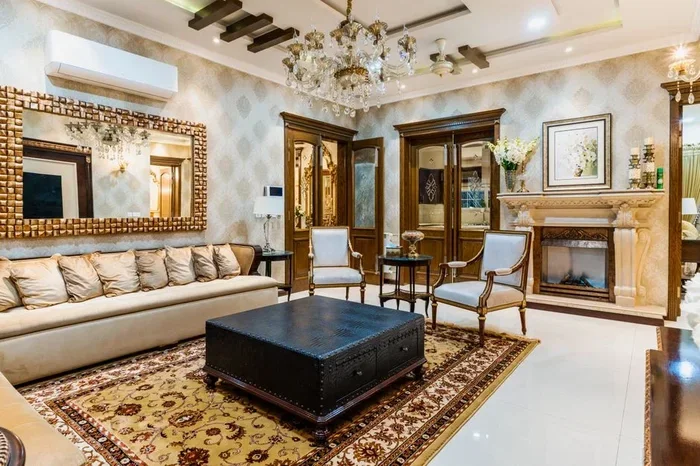
Every great room needs a focal point. This is the first thing your eye lands on when you walk in. It could be a fireplace, a large window, a piece of statement furniture, or even a bold wall color.
Once you identify your focal point, arrange your furniture to face it. This creates a natural visual center that ties the whole room together. Without a clear focal point, a space can feel scattered and unplanned. Your eye needs somewhere to rest, and the focal point gives it that anchor.
Choose a Color Palette That Works
Your color palette sets the tone for the entire room. Picking the right colors can feel overwhelming, but it does not have to be. Start with a neutral base and build from there. A good color palette brings harmony and balance to any living room.
Picking Colors That Flow
Choose two or three main colors that work well together. A common approach is the 60-30-10 rule. About 60 percent of the room should be your dominant color. Thirty percent should be your secondary color. The remaining 10 percent is your accent color.
Neutral colors like beige, gray, and soft white work beautifully as a base. They give you flexibility to change accent pieces without repainting. From there, you can add personality through throw pillows, decorative accessories, and wall art.
Adding Accent Colors
Accent colors bring energy and interest to a room. They do not need to be bold. Even a soft blue or warm terracotta can add depth and character. Look at nature for inspiration. The colors you find outdoors almost always work well indoors.
When in doubt, pull a color from a piece of art or a rug you already love. This ensures your accent choices feel connected to the rest of the room. It is one of the simplest interior design tricks that makes a big impact.
| Color Scheme | Best For | Mood Created |
|---|---|---|
| Neutral + Warm Accents | Cozy, traditional spaces | Warm and inviting |
| Cool Tones (Blues, Greens) | Modern, calming rooms | Fresh and serene |
| Bold Monochrome | Dramatic, stylish spaces | Bold and energetic |
| Earth Tones | Natural, rustic vibes | Grounded and peaceful |
Furniture Arrangement Made Simple
Placing furniture is one of the trickiest parts of home styling. But with a few guidelines, it becomes much easier. The goal is to create a space that feels balanced and functional. Good furniture arrangement makes every day in the room more enjoyable.
Seating Options and Placement
Your seating is the backbone of the room. Start with your largest piece, usually the sofa. Place it facing the focal point. Then add chairs and side tables around it to create a comfortable setup.
For smaller rooms, consider a loveseat instead of a full sofa. It saves space while still offering comfortable seating. You can also use a bench or ottoman as extra seating that doubles as storage. This kind of smart furniture arrangement maximizes every square foot.
Side tables are often overlooked but they matter a lot. They give people a place to set down drinks and phones. Make sure each seating spot has easy access to a surface. A small side table with a lamp creates both function and warmth.
Mixing Furniture Styles
You do not need to match everything perfectly. In fact, mixing styles often looks more interesting than a fully matched set. The key is to find common threads. Maybe all your pieces share a similar wood tone, or they have matching metal legs.
Statement furniture can anchor a room. A bold coffee table or a unique bookshelf draws attention and starts conversations. Just make sure it fits the scale of your space. Oversized pieces can overwhelm a small room. Look for affordable statement furniture at thrift stores and online marketplaces.
Add Personality With Decor and Accessories
This is where your personal style really shines. Decor and accessories are what turn a plain room into a space that feels like yours. The goal is to layer in items that tell your story and make you smile every time you walk in.
Wall Art and Lighting
Wall art adds color, texture, and visual interest. You do not need expensive pieces. A mix of framed prints, photographs, and even fabric art can look stunning. Hang art at eye level for the best effect. A common mistake is hanging things too high on the wall.
Lighting fixtures play a huge role in setting the mood. Replace harsh overhead lights with layered options. A floor lamp in the corner, a table lamp on the side table, and even string lights can transform the feel of a room. Warm lighting makes any space feel more welcoming and relaxed.
Throw Pillows and Area Rugs
These small touches make a big difference. Throw pillows add comfort and color to your seating. Mix different sizes and textures for a layered look. Stick to three or four pillows per sofa to avoid clutter. Too many pillows can make a space feel busy instead of curated.
An area rug defines your seating area and adds warmth underfoot. It should be large enough that the front legs of all furniture sit on it. This creates a cohesive zone that anchors the room. Rugs are one of the easiest budget-friendly decor upgrades you can make. They also help absorb sound, making your cozy living room feel quieter and more peaceful.
Budget-Friendly Ways to Refresh Your Space
You do not need to spend a fortune to get great results. Some of the best home decor ideas cost very little. The secret is knowing where to focus your energy and money. Budget-friendly decor is all about being smart and creative.
Start with the things that give you the most bang for your buck. A fresh coat of paint, new throw pillow covers, and rearranged furniture can completely change a room. These low-cost changes often have the biggest visual impact. You would be surprised how much difference a simple room refresh can make.
Next, look for affordable decorative accessories. Thrift stores, online marketplaces, and even your own home have hidden gems. A new vase, a stack of books, or a candle can add charm without breaking the bank. The goal is not to cut corners. It is to be smart and intentional with what you have.
Here are some quick ways to refresh your space without a big budget:
- Rearrange your furniture to create a new flow
- Swap out throw pillow covers for a fresh look
- Add a new area rug to define the space
- Hang a gallery wall with frames you already own
- Replace lampshades for an updated lighting feel
- Add plants or fresh flowers for natural life
Common Mistakes to Avoid
Even with the best intentions, it is easy to make decorating mistakes. Being aware of common pitfalls helps you avoid them and saves both time and money. Learning from others’ errors is one of the fastest ways to improve your home styling skills.
One of the biggest errors is buying furniture before measuring your space. Pieces that are too large or too small throw off the entire balance of a room. Always check dimensions before you shop. Another mistake is ignoring the lighting. A beautiful room feels completely different under harsh fluorescent light versus warm, layered lighting.
People also tend to push all furniture against the walls. While this feels safer, it often makes a room feel hollow and uninviting. Pulling pieces closer together creates a more intimate and functional layout. Finally, avoid clutter. Too many decorative accessories make a space feel chaotic. Edit your choices and let each piece breathe.
Help decorating your living room becomes much easier when you know what not to do. Keep things balanced, measure twice, and trust your instincts. The best rooms feel intentional but relaxed, never forced or overdone.
Final Thoughts on Home Styling
Decorating your living room does not have to be stressful. Start with a clear plan, choose a color palette you love, and focus on the basics. From there, add personal touches that reflect who you are. Whether you are going for a full living room makeover or just a simple room refresh, every small change counts.
Remember that your home should feel like you. There is no single right way to design a space. Follow your instincts, have fun with it, and do not be afraid to try new combinations. The most beautiful rooms are the ones that feel authentic and comfortable to live in.
So go ahead and start today. Pick one corner, one wall, or one piece of furniture. Make one change and see how it feels. Sometimes the smallest step leads to the biggest transformation. Your dream living room is closer than you think, and help decorating your living room is just the first step toward making it real.
Frequently Asked Questions
How do I start help decorating my living room?
Begin by assessing your current layout and identifying what is not working. Measure your room, find your focal point, and decide on a color palette. These three steps give you a solid foundation before you buy anything new or rearrange existing pieces.
What is the best color palette for a living room?
Neutral tones like beige, gray, and white work well as a base because they are versatile and calming. Add accent colors through throw pillows, wall art, and decorative accessories to bring personality without overwhelming the space or making it feel cluttered.
How can I decorate my living room on a budget?
Focus on low-cost changes like rearranging furniture, swapping pillow covers, and adding a new area rug. Thrift stores and online marketplaces are great places to find affordable statement furniture and decorative accessories that refresh your space without spending a lot.
What are the key elements of good room styling?
A well-styled room has a clear focal point, balanced furniture arrangement, a cohesive color palette, layered lighting, and thoughtfully chosen accent pieces. These elements work together to create a space that feels both beautiful and functional for everyday living.
How do I make a small living room feel bigger?
Use light colors on the walls, choose furniture with exposed legs, and avoid pushing everything against the walls. A single large area rug and mirrors can also create the illusion of more space and depth, making even the smallest rooms feel open and airy.
What is a focal point in interior design?
A focal point is the main visual anchor in a room. It could be a fireplace, a large window, a piece of statement furniture, or a bold piece of wall art. All other elements in the room should complement and draw attention to this central feature for a cohesive look.
=== CONCLUSION ===
Help decorating your living room does not require a professional designer or a massive budget. With the right room styling tips, a clear plan, and a willingness to experiment, you can create a space that feels both beautiful and functional. From choosing the right color palette to arranging your furniture with intention, every decision matters.
Start small, stay true to your style, and enjoy the process. Your living room is one of the most personal spaces in your home, and it should reflect who you are. Use the tips in this guide to build confidence and make your space truly yours. A cozy living room awaits you.