Stunning Gothic Living Room Ideas for a Dramatic Home
Gothic living room ideas bring drama, elegance, and mystery into your home. You can transform any space with dark colors, ornate furniture, and moody lighting. This guide covers everything from color palettes to furniture choices and DIY tips. Whether you love full Victorian gothic or a subtle dark aesthetic, these ideas will inspire you. Read on to build the gothic living room of your dreams.
When you think about gothic living room ideas, what comes to mind first? Maybe it is the dramatic shadows, the rich dark colors, or the sense of mystery that fills the space. A gothic living room is not just about being dark and moody. It is about creating a room that feels bold, elegant, and deeply personal. Whether you want a full Victorian-inspired makeover or just a few dark touches, this guide has you covered.
Designing a gothic living room can feel intimidating at first. There are so many directions you could go. Do you go full medieval with stone walls and iron fixtures? Or do you keep it modern but add gothic accents through lighting and decor? The beauty of gothic living room ideas is that they are flexible. You can adapt them to fit any home, any budget, and any personal style. In this article, we will walk you through every step of the process.
Key Takeaways
- Dark color palettes like black, deep purple, and burgundy set the gothic mood instantly.
- Ornate furniture with carved details and velvet upholstery creates an authentic gothic feel.
- Moody lighting with candelabras and iron chandeliers makes a huge difference in ambiance.
- Mixing textures like velvet, leather, and stone adds depth and richness to the room.
- DIY gothic accents such as candelabras and draped fabrics are easy and budget-friendly.
- Avoid overdoing it by balancing dark elements with lighter focal points and natural light.
- Start small with accessories and build up to a full gothic living room transformation.
📑 Table of Contents
- What Makes a Gothic Living Room Unique
- Essential Elements of Gothic Living Room Ideas
- Color Palettes and Materials: A Comparison
- Furniture and Lighting Choices in Detail
- DIY Gothic Living Room Ideas
- Common Mistakes to Avoid with Gothic Living Room Ideas
- Expert Insights on Creating the Perfect Gothic Room
- Key Takeaways
- Bringing It All Together
What Makes a Gothic Living Room Unique
A gothic living room stands out because of its emotional depth. It is not a room you just glance at and forget. It is a room that makes you feel something. The gothic living room ideas we explore here draw from centuries of architectural and design history. You will find influences from Victorian Gothic, medieval Europe, and even modern dark aesthetics.
The core of gothic design lies in contrast. Light and dark. Ornate and minimal. Warm and cold. These tensions create a visual experience that feels both dramatic and inviting. A well-designed gothic living room feels like stepping into a storybook. It has weight, texture, and personality. Every piece of furniture and every accessory tells part of the tale.
The History Behind Gothic Design
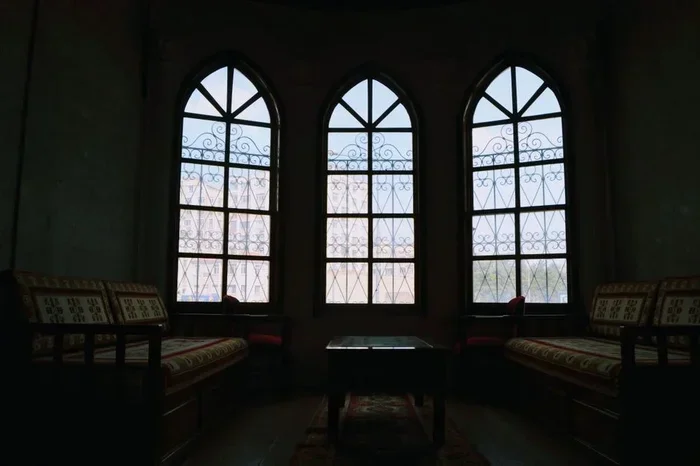
Gothic design originated in the 12th century with European architecture. Cathedrals, castles, and monasteries featured pointed arches, ribbed vaults, and large stained glass windows. Over time, the style evolved into Gothic Revival during the Victorian era. This period brought gothic elements into homes through furniture, decor, and interior design.
Understanding this history helps you make better design choices. When you know why certain elements exist, you can use them more intentionally. For example, pointed arches in windows or door frames are not just decorative. They are a nod to medieval craftsmanship. Iron candelabras and heavy curtains echo the candlelit halls of old castles. When you incorporate these elements, you are not just decorating. You are telling a story.
Essential Elements of Gothic Living Room Ideas
Every great gothic living room shares a few key elements. These components work together to create that signature dark and dramatic atmosphere. Let us break them down so you can start applying them right away.
Dark Color Palettes
Color is the foundation of any gothic room. The most common gothic living room ideas rely on deep, rich tones that absorb light and create intimacy. Black is the anchor color, but it should not dominate the entire room. Instead, use it as a base and build around it.
Here are the best colors to consider for a gothic living room:
- Black – The core of gothic design. Use it on walls, furniture, or accent pieces.
- Deep purple – Adds royalty and mystery. Think eggplant or plum tones.
- Burgundy and maroon – Warm, rich reds that feel luxurious and dramatic.
- Dark navy blue – A cooler alternative that still feels gothic and moody.
- Charcoal gray – A subtle dark tone that works well for modern gothic looks.
- Gold and brass accents – Metallic touches add warmth and elegance against dark backgrounds.
The key is layering these colors. A black sofa with burgundy cushions and a gold coffee table creates visual interest without feeling chaotic. Your color palette should feel cohesive, not random.
Ornate Furniture and Dark Wood Pieces
Furniture in a gothic living room should feel substantial and detailed. Think carved wood, heavy frames, and elegant curves. Victorian and medieval furniture styles are perfect starting points for your gothic living room ideas.
Look for pieces with these characteristics:
- Carved legs and armrests with scroll or pointed details
- Dark wood tones like mahogany, walnut, or ebony
- Tufted upholstery in velvet or leather
- High-backed chairs and throne-like seating
- Ornate mirror frames and decorative side tables
You do not need to buy a full Victorian set to achieve this look. Start with one statement piece, like a carved dark wood coffee table or a velvet armchair. Build from there. A single ornate piece can anchor the entire room and set the gothic tone.
Dramatic Lighting and Fixtures
Lighting makes or breaks a gothic living room. Natural light should be limited and filtered through heavy curtains or stained glass. Artificial light should feel warm, low, and atmospheric. This is where gothic living room ideas truly come alive.
The best lighting choices include:
- Iron chandeliers with candle-style bulbs or candle-shaped fixtures
- Candelabras placed on mantels, tables, or floors
- Wall sconces with dark metal finishes and flame-like bulbs
- Stained glass lamps that cast colorful shadows on walls
- String lights with Edison bulbs for a softer gothic vibe
Avoid overhead fluorescent lighting at all costs. It kills the mood instantly. Instead, use multiple light sources at different heights. This creates shadows and depth, which are essential to the gothic aesthetic. Dimmer switches are your best friend here.
Rich Textures and Fabrics
Texture adds another layer of depth to a gothic living room. Smooth surfaces alone will feel flat. You need a mix of textures to create that luxurious, heavy feel that defines gothic design.
Focus on these materials and fabrics:
- Velvet – The king of gothic fabrics. Use it for curtains, cushions, and upholstery.
- Leather – Dark leather adds an edgy, timeless quality to furniture.
- Brocade and damask – Patterned fabrics with intricate designs perfect for upholstery and drapes.
- Silk – Adds a touch of elegance to throw pillows or curtain linings.
- Wool and heavy drapes – Thick curtains block light and add weight to windows.
- Stone and metal accents – Think stone fireplace surrounds or iron bookends.
Mixing these textures creates a room that feels layered and collected over time. Do not be afraid to combine velvet cushions with a leather sofa and a stone fireplace. The contrast is what makes gothic design so visually striking.
Color Palettes and Materials: A Comparison
Choosing the right combination of colors and materials is crucial for a successful gothic living room. Different pairings create different moods. Here is a comparison of popular gothic color and material combinations.
| Palette | Primary Colors | Best Materials | Vibe |
|---|---|---|---|
| Classic Dark Gothic | Black, charcoal, deep red | Velvet, dark wood, iron | Moody, dramatic, intense |
| Victorian Elegant | Burgundy, gold, black | Brocade, mahogany, brass | Luxurious, refined, ornate |
| Modern Gothic | Black, gray, white | Leather, concrete, steel | Clean, edgy, contemporary |
| Medieval Gothic | Brown, dark green, black | Stone, wood, linen | Rustic, earthy, ancient |
| Romantic Gothic | Purple, midnight blue, silver | Silk, velvet, crystal | Dreamy, ethereal, soft |
Each palette offers a different take on gothic living room ideas. Classic Dark Gothic is the most traditional and widely recognized. Victorian Elegant leans into opulence and detail. Modern Gothic strips away the excess and focuses on clean lines with dark tones. Choose the one that resonates most with your personal style.
Furniture and Lighting Choices in Detail
Furniture and lighting deserve special attention because they are the biggest investments in any gothic living room. Getting these right makes the entire space feel cohesive and intentional.
Selecting the Right Furniture
When choosing furniture for your gothic living room ideas, think about scale and detail. Gothic furniture tends to be larger and more imposing than modern pieces. A oversized sofa with rolled arms and carved wooden legs immediately sets a gothic tone. Dining tables should feel sturdy and substantial.
Here are practical tips for selecting gothic furniture:
- Look for pieces with visible wood grain and dark stains
- Choose furniture with curved lines and ornamental details
- Prioritize comfort without sacrificing style – velvet sofas are both
- Add a statement piece like a carved armoire or a grand bookshelf
- Mix antique finds with new pieces for an authentic layered look
Thrift stores and vintage shops are goldmines for gothic furniture. You can find authentic Victorian-era pieces at a fraction of retail prices. Even if a piece needs refinishing, the character and craftsmanship of older furniture is hard to replicate with new items.
Lighting Fixtures That Make a Statement
Lighting in a gothic living room should feel like it belongs in a castle or a grand old mansion. The fixtures themselves are decorative elements, not just functional ones. An iron chandelier with multiple candle arms becomes the centerpiece of the ceiling.
Consider these lighting strategies:
- Install a statement chandelier as the room’s focal point
- Use wall sconces to frame a fireplace or mirror
- Place candelabras on side tables and mantels for warm, flickering light
- Add a stained glass lamp on a console table for colorful light effects
- Use dimmer switches to control the intensity of your lighting
The goal is to create pools of warm light surrounded by shadow. This contrast is what gives gothic rooms their dramatic atmosphere. Too much light flattens the effect. Too little makes the room feel unwelcoming. Find the balance that feels right for your space.
DIY Gothic Living Room Ideas
You do not need a huge budget to create a stunning gothic living room. Many of the most effective gothic living room ideas are simple DIY projects that anyone can do. Here are some easy ways to add gothic charm to your space.
DIY Candelabra and Candle Arrangements
Candlesticks and candelabras are essential to gothic decor. You can buy affordable iron candelabras from craft stores or thrift shops. Group three or five candlesticks of varying heights on a dark tray for an instant gothic centerpiece. Drizzle wax drips down the sides for an aged, authentic look.
For a more dramatic effect, use taper candles in dark colors like deep red or black. Place them in iron holders on a mantel or dining table. The warm flickering light will instantly transform the room’s mood.
Draped Fabric and Curtains
Heavy curtains are a hallmark of gothic interiors. You can create your own by buying dark velvet or brocade fabric and hanging it from a simple curtain rod. Floor-length curtains with slight pooling on the ground add drama and elegance.
For a quick DIY fix, try draping fabric over a bookshelf or around a window frame. Even a simple piece of dark cloth can add gothic atmosphere to an otherwise plain corner. Layer different fabrics for texture and depth.
Creating Gothic Wall Art and Decor
Wall art is an easy way to inject gothic style into any room. Look for prints of gothic architecture, medieval paintings, or dark botanical illustrations. Black and white photography of old castles and cathedrals also works beautifully.
You can also create your own gothic art. Print dark, moody images on heavy cardstock and frame them in ornate, dark wood frames. Arrange them in a gallery wall for a curated, collected-over-time look. Add a large ornate mirror to reflect light and make the room feel larger.
Common Mistakes to Avoid with Gothic Living Room Ideas
Even with the best intentions, it is easy to make mistakes when designing a gothic living room. Avoiding these common pitfalls will help you create a space that feels intentional and inviting rather than overwhelming.
Overdoing the Darkness
The biggest mistake people make is making the room too dark from top to bottom. While gothic design embraces shadow, it also needs some light to feel welcoming. Balance your dark elements with lighter accents. A white or cream rug on a dark floor, for example, gives the eye a place to rest.
Let natural light in during the day. Use sheer curtains under your heavy drapes so sunlight can still filter through. A well-placed mirror can bounce light around the room and prevent it from feeling like a cave.
Ignoring Comfort
Gothic rooms can sometimes prioritize style over comfort. All those dark, heavy pieces can make a room feel unwelcoming if you do not balance them with soft, inviting elements. Add plush throw pillows, soft blankets, and comfortable seating. Your gothic living room should be a place you want to spend time in, not just admire from the doorway.
Cluttering Without a Theme
Gothic design thrives on intentionality. Throwing a bunch of dark objects into a room does not make it gothic. Every piece should serve a purpose or tell a story. Curate your accessories carefully. Choose items that have meaning or visual impact. A few well-placed pieces are far more effective than a room full of random dark decor.
Expert Insights on Creating the Perfect Gothic Room
Interior designers who specialize in gothic and Victorian aesthetics offer valuable advice for anyone exploring gothic living room ideas. Their insights can save you time and help you avoid common design pitfalls.
Start with lighting. Most experts agree that lighting is the single most important element in gothic design. Before you buy furniture or paint walls, decide how you will light the room. The lighting plan determines the mood and atmosphere of the entire space.
Layer your textures. A successful gothic room combines at least three to four different textures. Velvet cushions on a leather sofa, a wool rug on a stone floor, silk curtains over heavy brocade drapes. Each texture adds richness and visual interest.
Use accessories with purpose. Every object in a gothic room should earn its place. Antique books, ornate vases, skull-shaped decor, and medieval-inspired trays all contribute to the overall narrative of the space. Choose items that speak to you personally.
Do not fear color. While black is the foundation, pure black rooms can feel cold and unwelcoming. Introduce deep jewel tones like emerald, sapphire, and amethyst through cushions, art, and decor. These colors add warmth and visual depth while staying true to the gothic aesthetic.
Key Takeaways
- Dark color palettes like black, deep purple, and burgundy set the gothic mood instantly.
- Ornate furniture with carved details and velvet upholstery creates an authentic gothic feel.
- Moody lighting with candelabras and iron chandeliers makes a huge difference in ambiance.
- Mixing textures like velvet, leather, and stone adds depth and richness to the room.
- DIY gothic accents such as candelabras and draped fabrics are easy and budget-friendly.
- Avoid overdoing it by balancing dark elements with lighter focal points and natural light.
- Start small with accessories and build up to a full gothic living room transformation.
Bringing It All Together
Creating a gothic living room is about more than just painting your walls black and buying a candelabra. It is about building a space that tells a story, evokes emotion, and feels uniquely yours. The gothic living room ideas we have covered in this guide give you a strong foundation to work from.
Start by choosing your color palette and lighting plan. These two elements set the tone for everything else. Then select furniture that is both ornate and comfortable. Layer in textures, fabrics, and accessories that add depth and personality. Avoid the common mistakes of over-darkening or cluttering without purpose.
Remember that gothic design is deeply personal. There is no single right way to do it. Your gothic living room should reflect your taste, your personality, and your vision of what a dramatic, beautiful space looks like. Start with one or two elements and build from there. The most stunning gothic rooms are not created overnight. They evolve over time, just like the Gothic architecture and design traditions that inspired them.
Now you have all the tools and inspiration you need. Go create a gothic living room that turns heads and makes every guest feel like they have stepped into another world.
Frequently Asked Questions
What are the best colors for a gothic living room?
Black is the foundation, but you should layer in deep jewel tones like burgundy, purple, and navy blue. Gold and brass accents add warmth and elegance. The key is to create contrast between dark backgrounds and richer accent colors.
How can I make a gothic living room feel welcoming?
Balance dark elements with soft textures like velvet cushions and wool throws. Add warm lighting with dimmers so the room feels cozy rather than cold. Let natural light in during the day and use mirrors to bounce light around the space.
Do I need to buy expensive antique furniture for a gothic look?
Not at all. You can achieve a gothic aesthetic with affordable pieces from thrift stores and IKEA. Focus on dark wood tones, carved details, and velvet or leather upholstery. A single statement piece can set the tone for the entire room.
What lighting works best for gothic living room ideas?
Iron chandeliers, candelabras, wall sconces, and stained glass lamps are ideal. Avoid bright overhead lights. Use warm-toned bulbs and dimmer switches to create pools of soft light surrounded by shadow.
Can I mix gothic with modern design elements?
Absolutely. Modern gothic design combines clean lines with dark colors and gothic accents. Try pairing a minimalist sofa with a candelabra centerpiece and dark velvet curtains. The contrast between modern and gothic creates a fresh, updated look.
What are the easiest DIY gothic decor projects?
Draped dark curtains, DIY candelabra arrangements, and gallery walls with gothic prints are the easiest projects. You can also repaint old furniture with dark stain or add velvet cushions to existing pieces. These small changes make a big impact.