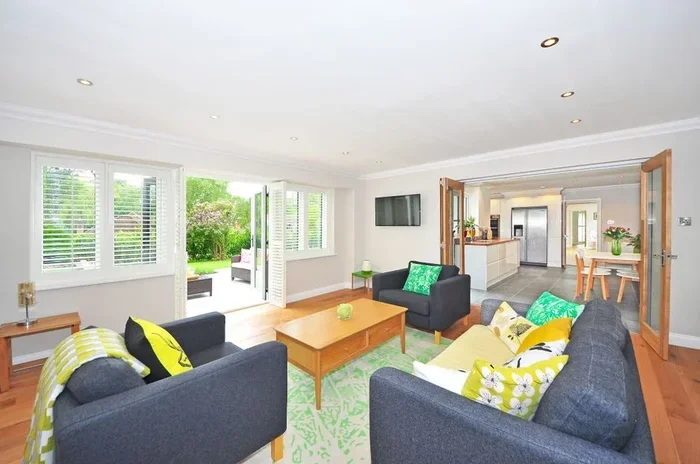
Modern Corner Table for Living Room Design Inspiration
A modern corner table for living room can transform an empty corner into a stylish focal point. Whether you prefer glass, wood, or metal, there is a perfect corner table for every home. This guide covers styles, materials, placement tips, and common mistakes to help you choose with confidence.
A modern corner table for living room is one of the easiest ways to upgrade your home decor. Corners often go unused, and that is a missed opportunity. A well-chosen table fills that gap with style and function. It gives you extra surface space without cluttering the room.
Many homeowners overlook corner spaces when planning their living room furniture layout. But a thoughtful piece can change the entire feel of a room. It adds depth, balance, and a sense of design intention. In this guide, we will explore everything you need to know about choosing and styling a corner table for your living space.
Whether you live in a small apartment or a large home, a compact corner table can make a big difference. You will learn about materials, styles, sizes, and placement tricks. By the end, you will feel confident picking the perfect table for your home.
Key Takeaways
- Boosts Space Efficiency: A modern corner table for living room makes use of often-wasted corner space.
- Variety of Materials: Glass, wood, metal, and mixed materials offer different looks and functions.
- Style Flexibility: From minimalist to rustic, there is a corner table design for every taste.
- Easy to Style: Add plants, books, candles, or art to make your corner table a decor highlight.
- Right Size Matters: Measure your corner before buying to ensure a perfect fit.
- Avoid Common Mistakes: Skip oversized tables, ignore height balance, and neglect the room’s flow.
📑 Table of Contents
- Why a Modern Corner Table for Living Room Is a Game-Changer
- Best Materials for Your Corner Table
- Top Styles of Modern Corner Tables
- How to Choose the Right Size Corner Table
- Creative Placement Ideas for Your Corner Table
- Common Mistakes to Avoid When Choosing a Corner Table
- Final Thoughts on Choosing Your Modern Corner Table for Living Room
Why a Modern Corner Table for Living Room Is a Game-Changer
Corners are tricky spaces. They are often left empty or filled with awkward furniture. A modern corner table for living room solves this problem beautifully. It turns a dead zone into a useful and attractive part of your room.
Here is why a corner accent table matters so much:
- Saves Space: It uses area that other furniture cannot fit into.
- Adds Function: You can place drinks, books, lamps, or decor on it.
- Improves Flow: A well-placed table guides the eye and smooths out room traffic.
- Creates Balance: It fills empty corners that can make a room feel incomplete.
- Boosts Decor: It gives you a natural spot to display decorative items.
Think of a corner table as a quiet hero in your room. It does not demand attention, but it holds everything together. A small living room table in the corner can anchor your furniture arrangement and tie the whole space together.
Who Benefits Most from a Corner Table?
Almost anyone can benefit. If you have a small apartment, a small corner table gives you extra storage and surface area without taking up floor space. If you have a large living room, a corner table prevents the room from feeling hollow. Even open-plan spaces benefit from a well-placed corner console table.
Best Materials for Your Corner Table
The material you choose sets the tone for your entire room. Each option brings a different look, feel, and level of durability. Let us break down the most popular choices for a modern corner table for living room.
Glass Corner Tables
Glass is a top pick for modern interiors. A glass corner table feels light and airy. It does not block sightlines, which makes small rooms look bigger. Glass also reflects light, adding brightness to dim corners.
Glass tables work well in minimalist and contemporary spaces. They pair nicely with metal or chrome legs. However, glass can show fingerprints and dust easily. You will need to clean it often to keep it looking sleek.
Wood Corner Tables
Wood brings warmth and natural beauty to any room. A wood corner table feels inviting and grounded. It comes in many finishes, from light oak to dark walnut.
Wood is durable and easy to maintain. It suits rustic, farmhouse, and Scandinavian styles especially well. If you want a corner table that ages gracefully, wood is a fantastic choice. Just keep in mind that some woods scratch more easily than others.
Metal and Mixed-Material Options
Metal legs paired with wood or glass tops create a modern corner table for living room with industrial charm. Black iron, brass, and brushed nickel are popular finishes. Mixed materials add visual interest and texture to your space.
These tables tend to be sturdy and long-lasting. They work in almost any decor style, from industrial to mid-century modern. If you want something bold and unique, explore mixed-material designs.
Top Styles of Modern Corner Tables
Not all corner tables look the same. The style you pick should match your room’s personality. Here are the most popular styles you will find today.
Minimalist Corner Table Designs
Minimalist design focuses on clean lines and simple forms. A minimalist corner table usually has a slim profile and neutral colors. It does not shout for attention but quietly supports the room’s aesthetic.
These tables work best in small space furniture setups. They keep things uncluttered and calm. Think of a simple white or black corner shelf table with one or two shelves. It is functional without being distracting.
Rustic and Industrial Styles
Rustic tables often feature reclaimed wood and rough textures. Industrial styles mix metal and raw wood for a edgy look. Both styles add character and warmth to a living room.
If your room has exposed brick or concrete walls, a rustic corner table fits right in. For a more polished industrial vibe, choose a table with black metal frames and a wood top. These styles are trending in living room decor right now.
Luxurious and Statement Pieces
Some people want their corner table to be a conversation starter. A statement piece with marble, gold accents, or unique shapes does exactly that.
These tables work best in larger rooms where they can truly shine. A decorative corner table with a mirrored surface or sculptural base adds glamour. Use it to display art pieces, family photos, or a small collection.
How to Choose the Right Size Corner Table
Size is one of the most important factors. A table that is too big will crowd the room. One that is too small will look lost. Here is how to find the right fit.
Measure Your Corner First
Before shopping, measure the corner where you plan to place the table. Note the height from floor to ceiling and the width of each wall. This gives you a clear idea of what will fit.
For a standard living room, a corner table that is 24 to 36 inches tall works well. The top should be about 18 to 24 inches wide on each side. This size provides enough surface area without overwhelming the space.
Consider Table Height and Proportions
Height matters more than people think. A modern corner table for living room should sit at or slightly below sofa arm height. This creates a natural visual flow and makes it easy to reach items on the table.
If you place a lamp on the table, make sure the lamp shade does not block the view across the room. The goal is balance, not obstruction.
Quick Tips for Sizing
- Leave at least 12 inches of clearance on each side of the table.
- Choose a table that is proportional to your room size.
- For small rooms, go with a narrow, tall compact corner table.
- For large rooms, a wider table with more storage works well.
Creative Placement Ideas for Your Corner Table
Where you place your corner table affects how the room feels. A little thought goes a long way in making your space look intentional and polished.
Place It Next to a Sofa or Chair
A corner table next to a seating area is a classic move. It gives guests a place to set down drinks or phones. It also creates a cozy reading nook when paired with a lamp and a soft throw blanket.
Use It in an Entryway or Hallway
Do not limit yourself to the main living area. An entryway corner table is perfect for keys, mail, and small decor items. It welcomes guests and adds a polished first impression.
Pair It with a Plant or Art Display
A corner table becomes a natural display surface when styled with care. Place a tall indoor plant next to it or stack a few art books on top. Add a small candle or a framed photo for a personal touch.
These simple styling tricks turn a basic table into a living room decor highlight. The key is to keep it balanced and not overcrowded.
Corner Table Layout Ideas by Room Shape
- Rectangular Rooms: Place the table in the far corner to draw the eye inward.
- Square Rooms: Use two matching tables in opposite corners for symmetry.
- Open-Plan Spaces: A corner console table can define the living area from the dining zone.
Common Mistakes to Avoid When Choosing a Corner Table
Even with good intentions, mistakes happen. Here are the most common ones to watch out for.
Choosing a Table That Is Too Big
Oversized tables make rooms feel cramped. A modern corner table for living room should complement the space, not dominate it. Always measure before you buy.
Ignoring the Room’s Style
A rustic wood table in a ultra-modern room can feel out of place. Try to match the table’s style with your existing living room furniture. You do not need an exact match, but the pieces should feel like they belong together.
Forgetting About Function
Looks matter, but so does function. If you need storage, choose a table with shelves or drawers. If you want a surface for display, a simple open-top table works best.
Neglecting Height Balance
A table that is too tall or too short disrupts the room’s visual flow. Make sure your corner table height works with your sofa, coffee table, and other furniture pieces.
Final Thoughts on Choosing Your Modern Corner Table for Living Room
A modern corner table for living room is more than just a piece of furniture. It is a design tool that enhances your space in meaningful ways. It fills awkward corners, adds storage, and gives you a place to showcase your personal style.
Take your time when choosing. Consider the material, style, size, and placement carefully. A well-chosen corner table can elevate your entire room. It brings balance, function, and beauty to a space that might otherwise feel incomplete.
Start by measuring your corner. Browse different materials and styles. Think about how you use your living room and what you need from a table. With the right choice, your modern corner table for living room will serve you well for years to come.
Do not be afraid to mix and match. Try different shapes, colors, and textures until you find what feels right. Your living room is your home, and it should reflect who you are. A thoughtful corner table is a simple step toward a more polished, inviting space.
Frequently Asked Questions
What is the best size for a modern corner table for living room?
A table that is 24 to 36 inches tall and 18 to 24 inches wide on each side works well for most living rooms. Always measure your corner first to ensure a proper fit. Leave at least 12 inches of clearance on each side for easy movement.
Can I use a corner table in a small apartment?
Absolutely. A compact corner table is perfect for small apartments. It maximizes unused corner space without taking up valuable floor area. Choose a slim profile with a small footprint for the best results.
What materials are best for a modern corner table?
Glass, wood, and metal are the most popular materials. Glass creates a light and airy feel. Wood adds warmth and natural texture. Metal offers a sleek industrial look. Mixed-material designs combine the best of all three.
How do I style a corner table in my living room?
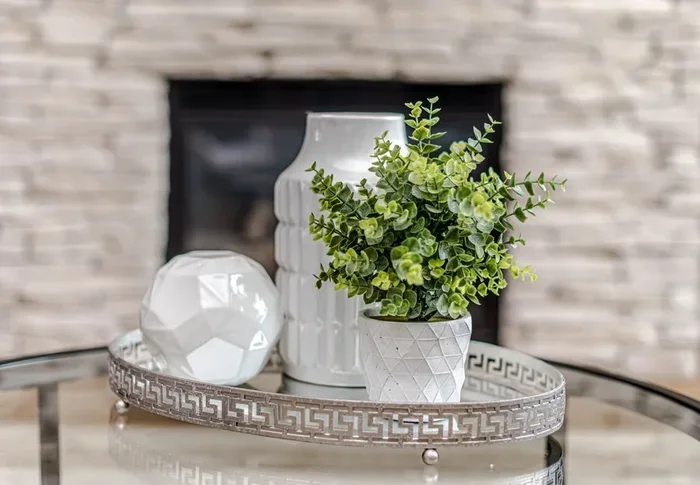
Start with a lamp or candle as a base. Add a small plant, a stack of books, or a decorative tray. Keep the arrangement balanced and avoid overcrowding. A decorative corner table should feel curated, not cluttered.
Where is the best place to put a corner table in the living room?
The best spots are empty corners near seating areas, entryways, or beside a sofa. A corner table works well wherever it fills a gap and adds function. Avoid placing it in high-traffic paths where it could cause obstruction.
How much should I spend on a modern corner table?
Prices range from around $50 for budget options to over $300 for designer pieces. A mid-range table between $100 and $200 offers good quality and style. Focus on materials and build quality rather than just the price tag.