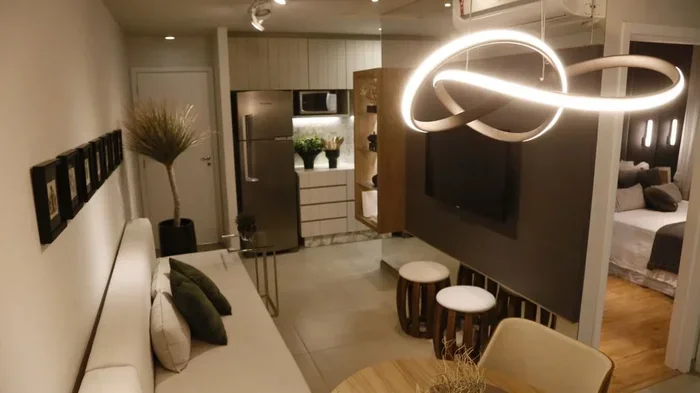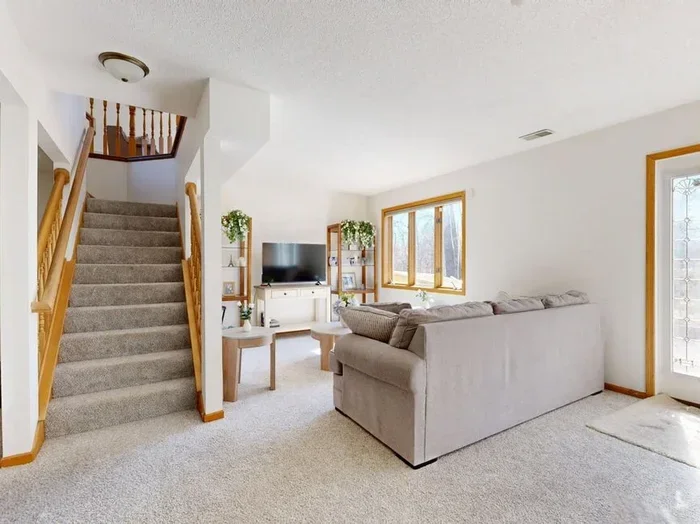
Front Room vs Living Room Which One Should You Choose
Understanding the front room vs living room debate is key to designing a home that works for you. A front room sits near the entrance and often serves as a formal reception room or parlor. A living room is typically a casual, comfortable space for everyday family life. Choosing the right one depends on your home layout, room function, and personal style. This guide breaks down everything you need to know.
When you walk into most homes, you notice two distinct spaces right away. One sits near the front door, often looking polished and put together. The other sits deeper inside, inviting you to sink into the sofa and relax. These are the front room vs living room spaces, and knowing the difference matters more than most people think.
Many homeowners use these terms interchangeably. But they actually refer to very different areas of the home. Each one serves a unique room function and fits a specific home design style. Choosing the right one for your space can transform how your home feels and flows.
In this guide, we will explore what makes each space special. You will learn about room layout, furniture arrangement, and how to pick the best option for your lifestyle. By the end, you will feel confident making this design decision for your own home.
Key Takeaways
- A front room is located near the home’s entrance and often serves a formal purpose.
- A living room is typically a relaxed, everyday space for the whole family.
- The right choice depends on your house layout, lifestyle, and entertaining needs.
- Furniture arrangement and home décor differ significantly between the two spaces.
- Many modern homes combine both functions into one versatile room.
- Room function should always guide your design and furniture choices.
- Understanding architectural style helps you decide which room fits your home best.
📑 Table of Contents
What Is a Front Room?
A front room is the space closest to your home’s main entrance. Historically, it was called a parlor or formal sitting room. Families used it to greet guests and show off their best home décor. Today, it still holds a special place in many house layouts.
The front room often sits between the entryway and the rest of the home. It acts as a transition space. You might find it in older homes, traditional houses, and apartments with a clear front entrance.
Common Features of a Front Room
- Location: Near the front door or main entrance
- Style: Often more formal and refined
- Furniture: Best seating arrangements for guests
- Décor: Elegant curtains, fine artwork, and polished surfaces
- Purpose: Greeting visitors and hosting small gatherings
A front room usually has a more architectural style that matches the home’s overall design. Think crown molding, formal window treatments, and carefully placed rugs. The furniture arrangement tends to face inward, creating a cozy conversation area for entertaining guests.
Who Benefits From a Front Room?
Not every home needs a front room. But certain homeowners find it very useful. If you frequently host guests, a front room gives them a comfortable place to sit before moving further into the house. It also works well for formal dinners and special occasions.
People who live in traditional or classic home designs often include a front room. It adds a sense of elegance and structure to the floor plan. Even in smaller homes, a modest front room can serve as a welcoming common room for visitors.
What Is a Living Room?
A living room is the heart of most modern homes. It is the space where families spend their daily time together. Unlike a front room, the living room is all about comfort and everyday use.
Most house layouts place the living room in the center or back of the home. It connects to the kitchen, dining area, and sometimes the family room. This central location makes it easy for everyone to access the space throughout the day.
Common Features of a Living Room
- Location: Deeper inside the home, away from the front door
- Style: Casual, comfortable, and family-friendly
- Furniture: Sofas, recliners, and cozy seating options
- Décor: Personal touches, family photos, and warm textiles
- Purpose: Relaxing, watching TV, playing games, and daily bonding
The furniture arrangement in a living room focuses on relaxation. You will often see large sectionals, oversized armchairs, and coffee tables built for everyday use. The home décor reflects the personality of the people who live there. It is less about impressing guests and more about creating a warm, inviting atmosphere.
Who Benefits From a Living Room?
Almost every household benefits from a living room. It is the most used space in most homes. Families with children love it because it is durable, easy to clean, and built for active daily life.
People who enjoy casual entertaining also prefer the living room. It feels natural to host friends for movie nights, game evenings, or simple get-togethers. The living room adapts easily to different room functions and home organization needs.
Front Room vs Living Room: Key Differences
Now that you know what each space is, let us compare them directly. Understanding the front room vs living room differences helps you make smarter design choices. Here are the main areas where they differ.
Location and Placement
The front room sits near the entrance of the home. It is the first room guests see when they walk in. The living room is usually located further back, deeper inside the floor plan. This placement affects how people move through the home and how each space feels.
Formality and Tone
A front room carries a more formal tone. It is designed to make a good first impression. The living room is casual and relaxed. It is built for daily comfort rather than formal hosting.
Furniture and Layout
Front room furniture tends to be more structured. Matching sets, formal sofas, and elegant tables are common. Living room furniture is all about comfort. You will find plush sofas, throw pillows, and flexible layouts that adapt to family life.
Decoration and Style
Front room home décor often features curated items. Art pieces, decorative trays, and fine textiles set the tone. Living room décor is more personal and lived-in. Family heirlooms, cozy blankets, and everyday items create warmth.
Purpose and Use
The front room is for receiving guests and formal occasions. The living room is for everyday activities. Families gather there to watch shows, play games, and spend quality time together.
| Feature | Front Room | Living Room |
|---|---|---|
| Location | Near the front entrance | Deeper inside the home |
| Formality | Formal and polished | Casual and relaxed |
| Furniture Style | Structured and matching | Comfortable and flexible |
| Décor | Curated and elegant | Personal and cozy |
| Primary Use | Greeting guests, formal events | Daily family activities, relaxation |
| Room Function | Reception and hosting | Everyday living and bonding |
| Architectural Style | Traditional, classic | Modern, contemporary |
Which One Should You Choose?
Deciding between a front room vs living room setup depends on your specific needs. There is no one-size-fits-all answer. Your home layout, lifestyle, and personal preferences all play a role.
Choose a Front Room If…
- You frequently host formal gatherings or dinner parties
- Your home has a traditional or classic architectural style
- You want a dedicated space for greeting and receiving guests
- You enjoy curated home décor and elegant furniture arrangement
- Your house layout includes a separate entry area that leads to a formal space
Choose a Living Room If…
- You want a comfortable, everyday space for your family
- Your home has a modern or open floor plan
- You prefer casual entertaining and relaxed gatherings
- You need a flexible common room that adapts to different activities
- Your home organization style favors function over formality
Can You Have Both?
Absolutely. Many homes benefit from having both a front room and a living room. The front room handles formal visits and special occasions. The living room serves as the everyday family hub. This setup gives you the best of both worlds.
However, not every home has the square footage for two separate spaces. In smaller homes, combining both functions into one room is a smart choice. A well-designed room layout can create distinct zones within a single space. Use rugs, furniture placement, and lighting to define each area.
Quick Tips for Designing Each Space
Whether you are working with a front room or a living room, good design makes all the difference. Here are some quick tips to help you get started.
Front Room Design Tips
- Keep the color palette neutral and elegant. Soft whites, creams, and muted tones work well.
- Invest in quality seating. A formal sofa or set of chairs anchors the space.
- Add a statement piece. A chandelier, artwork, or decorative mirror draws the eye.
- Use formal window treatments. Drapes or curtains add polish and sophistication.
- Arrange furniture for conversation. Face chairs toward each other to encourage interaction.
Living Room Design Tips
- Prioritize comfort above all. Choose plush fabrics and supportive cushions.
- Create a focal point. A fireplace, TV wall, or large window works great.
- Add personal touches. Family photos, travel souvenirs, and favorite books make the space yours.
- Use layered lighting. Floor lamps, table lamps, and overhead lights create warmth.
- Keep the layout flexible. Modular furniture allows you to rearrange easily.
Common Mistakes to Avoid
When planning your front room vs living room setup, watch out for these common pitfalls.
Mistake 1: Treating Both Rooms the Same
One of the biggest mistakes homeowners make is using the same room function for both spaces. A front room that looks like a living room loses its purpose. And a living room that feels too formal becomes unwelcoming. Give each space its own identity.
Mistake 2: Ignoring the Room Layout
Forcing a front room into a small entryway creates clutter. Placing a large living room sofa in a tiny space feels cramped. Always match your furniture arrangement to the actual size and shape of the room.
Mistake 3: Overlooking Flow and Traffic
Your home should flow naturally from one space to the next. A front room that blocks the path to the rest of the house feels awkward. Make sure there is clear traffic flow between the entryway, front room, and living room.
Mistake 4: Forgetting the Purpose
Every room in your home should have a clear purpose. If you do not use the front room for entertaining guests, consider repurposing it. A home organization plan helps you use every square foot wisely.
Expert Insights on Room Function and Design
Interior designers often talk about the room function concept. This idea says that every space in your home should have a clear job. A front room’s job is to welcome and receive. A living room’s job is to comfort and connect.
Experts also emphasize the importance of home design consistency. Your front room should match the architectural style of your home. A modern front room in a traditional house can feel out of place. Similarly, a overly formal living room in a contemporary home may feel stiff and unwelcoming.
The best home organization strategies consider how people actually use each space. A front room that becomes a storage overflow area loses its purpose. A living room cluttered with formal furniture feels uncomfortable. Design each space around how your family truly lives.
Many designers also recommend thinking about the common room concept. In some cultures and architectural traditions, a single common room serves multiple functions. This approach works well in smaller homes and apartments where space is limited. The key is to use zoning techniques like rugs, lighting, and furniture placement to define different areas within one room.
Key Takeaways
- A front room is located near the home’s entrance and often serves a formal purpose.
- A living room is typically a relaxed, everyday space for the whole family.
- The right choice depends on your house layout, lifestyle, and entertaining needs.
- Furniture arrangement and home décor differ significantly between the two spaces.
- Many modern homes combine both functions into one versatile room.
- Room function should always guide your design and furniture choices.
- Understanding architectural style helps you decide which room fits your home best.
Conclusion
The front room vs living room question does not have a single right answer. It depends entirely on your home, your lifestyle, and your goals. A front room brings elegance and formality to your entryway. It creates a wonderful first impression for guests and adds architectural charm to your home. A living room brings warmth and comfort to your everyday life. It becomes the space where your family truly connects and relaxes.
Some homes thrive with both spaces. Others do best with one well-designed room that serves multiple purposes. The most important thing is to let your room function guide every decision. Choose furniture arrangement that supports how you actually live. Select home décor that reflects your personality and makes you feel at home.
Take a look at your own house layout today. Think about how you use each space. Consider your home organization goals and your entertaining habits. With the right approach, you can create a home that feels balanced, beautiful, and truly yours. Start with one room, make it your own, and let the rest follow naturally.
Frequently Asked Questions
What is the main difference between a front room and a living room?
A front room sits near the entrance of the home and usually serves a formal purpose like greeting guests. A living room is located deeper inside the home and is designed for casual, everyday family use.
Can a front room also be called a living room?
Yes, many people use the terms interchangeably. However, in traditional home design, a front room refers to a formal space near the entryway, while a living room is a more casual, everyday space.
Do modern homes still have front rooms?
Some modern homes still include front rooms, especially those with traditional or classic architectural styles. However, many modern floor plans combine the front room and living room into one open space.
Which room is better for entertaining guests?
A front room is typically better for formal entertaining because it is designed to welcome and host visitors. A living room works well for casual gatherings like movie nights or informal get-togethers.
How do I decide which room I need in my home?
Consider your lifestyle, how often you host guests, and your home layout. If you entertain formally, a front room adds value. If you need a cozy everyday space, focus on designing a comfortable living room.
What furniture works best in a front room?
Structured seating, matching sets, and elegant tables suit a front room. Choose furniture that supports conversation and reflects a polished, formal style. Avoid oversized casual pieces that may clash with the room’s tone.