Mixing Leather and Fabric Living Room Furniture Ideas
Mixing leather and fabric living room furniture is one of the best ways to create a stylish, layered look in any home. This guide covers furniture pairing tips, color palette ideas, and texture mixing strategies that make your space feel cohesive and inviting. Whether you have a leather sofa and fabric chairs or the other way around, these ideas will help you achieve a balanced, modern living room decor that turns heads.
Mixing leather and fabric living room furniture is one of the easiest ways to elevate your home’s look. When done right, this combination brings warmth, texture, and a layered feel that plain furniture simply cannot match. Many homeowners worry that combining materials will look messy or disconnected. But with a few simple interior design principles, you can create a space that feels intentional, stylish, and welcoming.
The beauty of furniture pairing lies in the contrast. Smooth leather against a cozy fabric seat creates a material contrast that catches the eye. It adds depth without clutter. Whether you are starting from scratch or refreshing an existing room, this guide will walk you through proven ideas and practical tips. You will learn how to choose pieces, pick colors, and arrange your living room decor like a seasoned designer.
Key Takeaways
- Leather and fabric pairing adds depth: Combining these two materials creates visual interest and a cozy yet polished feel.
- Stick to a unified color palette: Matching tones keeps the room looking intentional rather than chaotic.
- Texture is your secret weapon: Mixing smooth leather with textured fabric adds dimension to your furniture arrangement.
- Start with a anchor piece: Choose one dominant furniture item and build around it for a natural flow.
- Accessorize wisely: Throw pillows, rugs, and blankets tie leather and fabric pieces together beautifully.
- Balance is everything: Avoid overloading one material — aim for an even mix of leather and fabric throughout the room.
📑 Table of Contents
- Why Mixing Leather and Fabric Works So Well
- Choosing Your Anchor Piece
- Color Palette Strategies for a Cohesive Look
- Furniture Arrangement Tips for Mixed Materials
- Accessorizing Leather and Fabric Furniture
- Common Mistakes to Avoid When Mixing Materials
- Expert Insights: How Designers Mix Leather and Fabric
- Quick Tips for a Stunning Mixed-Material Living Room
- Conclusion
Why Mixing Leather and Fabric Works So Well
Leather and fabric each bring something unique to the table. Leather looks sleek, ages beautifully, and is easy to clean. Fabric offers softness, warmth, and endless pattern options. When you place them side by side, you get the best of both worlds. This furniture combination works because it balances hard and soft, shiny and matte, formal and casual.
Think about how you use your living room. You want a spot to relax on the couch, a comfortable chair to read in, and a table to set your drink on. Leather handles daily wear and spills with ease. Fabric gives you that plush, sink-in comfort. Together, they make the room functional and beautiful. This is why texture mixing has become a go-to strategy for modern home styling.
The Science Behind Material Pairing
Designers have long understood that contrasting textures make a room feel more dynamic. When your eye moves across a leather sofa and lands on a fabric armchair, it creates visual movement. This keeps the room from feeling flat or boring. The material contrast also helps each piece stand out on its own while still belonging to the same room.
There is also a practical side. Leather tends to stay cooler in summer and warmer in winter. Fabric cushions add softness for seating and napping. By mixing both, your furniture serves different needs at different times. It is smart design that works hard for you every day.
Choosing Your Anchor Piece
Every great room starts with a strong anchor. This is the main furniture piece that sets the tone for everything else. In most living rooms, the anchor is the sofa. Decide whether your anchor will be leather or fabric, and then build around it.
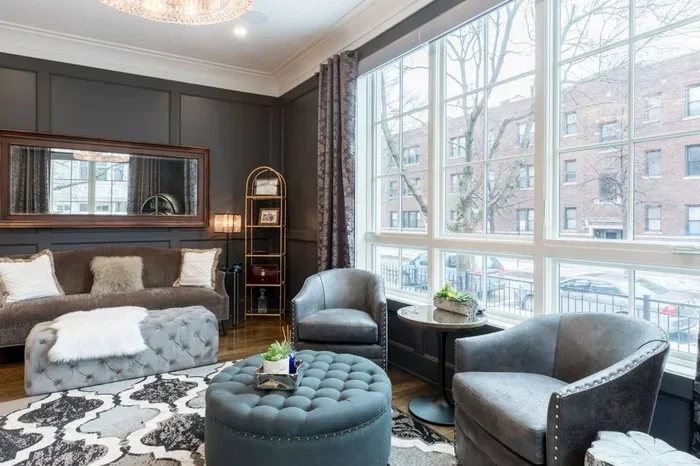
If you choose a leather sofa as your anchor, you can pair it with fabric armchairs and accent chairs. The leather becomes the sleek centerpiece, while the fabric adds warmth and personality. On the other hand, if your anchor is a fabric sectional sofa, leather accent chairs and coffee tables can add an elegant edge.
How to Pick the Right Anchor
Ask yourself a few questions before you decide. What is the main purpose of your living room? Do you have kids or pets? What is your personal style? These answers will guide you toward the right anchor piece. Here are some quick tips to help you choose:
- Choose leather if you want a clean, modern look that is easy to maintain.
- Choose fabric if you prefer a soft, cozy feel with more color and pattern options.
- Consider your lifestyle. Leather resists stains better, but fabric feels more inviting for family movie nights.
- Think about room size. A leather sofa can make a small room feel more open, while fabric adds warmth to large spaces.
Remember, the anchor piece does not have to be expensive. A well-chosen statement furniture piece in any price range can set the stage for a beautiful room. Focus on quality, shape, and how it fits your space.
Color Palette Strategies for a Cohesive Look
One of the biggest mistakes people make when mixing materials is ignoring color. When leather and fabric clash in color, the room feels scattered. A thoughtful color palette ties everything together and makes the mix look intentional.
The safest approach is to stick with neutral tones like beige, gray, cream, or taupe. These colors work beautifully with both leather and fabric. They also give you flexibility to change accessories over time without redoing the whole room. If you want a pop of color, use throw pillows, blankets, or artwork as your accent.
Building a Two-Tone Scheme
A two-tone scheme is a simple and effective way to keep your room looking polished. Pick one dominant color and one secondary color. For example, a tan leather sofa paired with a navy fabric armchair creates a classic look. The tan serves as the base, and navy adds depth and personality.
Here are some winning color combinations to try:
- Charcoal leather with cream fabric — bold and sophisticated.
- Brown leather with olive green fabric — earthy and warm.
- Black leather with soft gray fabric — modern and sleek.
- White leather with pastel fabric — fresh and airy.
When you keep your color palette consistent, the material difference becomes a feature, not a problem. Your eye focuses on the harmony of the room rather than the contrast between materials.
Furniture Arrangement Tips for Mixed Materials
How you arrange your furniture matters just as much as which pieces you choose. A good furniture arrangement lets each piece shine while creating a natural flow. The goal is to make the room feel balanced, not like you randomly placed items.
Start by placing your anchor piece in the center of the room or facing the main focal point, like a fireplace or TV. Then position your secondary pieces around it. Leave enough space between items for easy movement. A crowded room kills the vibe, no matter how nice the furniture looks.
Creating Conversation Zones
One of the best ways to arrange mixed furniture is to create conversation zones. Place your leather sofa facing the fabric armchair, with a coffee table in between. This setup encourages people to sit together and talk. It also highlights the beauty of both materials side by side.
Here are some arrangement principles to follow:
- Face pieces toward the room’s focal point. This creates a natural gathering spot.
- Use rugs to define zones. A rug under the sofa and chairs grounds the furniture and adds another layer of texture.
- Keep traffic lanes clear. Leave at least 30 inches between furniture pieces for easy walking.
- Balance the room visually. If you have a tall leather bookshelf on one side, balance it with a fabric-covered bench on the other.
Good arrangement makes the room feel open and inviting. It also ensures that your leather and fabric pairing looks like a deliberate design choice, not an accident.
Accessorizing Leather and Fabric Furniture
Accessories are the finishing touch that brings everything together. When you mix leather and fabric, the right accessories bridge the gap and create a unified look. This is where you can really let your personality shine through your living room decor.
Throw pillows are one of the easiest ways to connect different materials. Pick pillow covers in fabric that match or complement your furniture colors. A few textured pillows on a leather sofa instantly soften the look. On a fabric chair, a leather or faux leather pillow adds an interesting contrast.
The Power of Throw Blankets and Rugs
Do not overlook the impact of a good throw blanket or area rug. These small additions do a lot of heavy lifting in a room. A chunky knit blanket draped over a leather armchair adds warmth and coziness. A soft rug under a fabric sectional ties the whole seating area together.
Here are some accessory ideas that work wonders:
- Woven baskets for storing blankets — they add a natural, earthy feel.
- Metal or wood side tables that complement both leather and fabric finishes.
- Artwork on the wall that pulls colors from your furniture into the rest of the room.
- Books and magazines stacked on a coffee table for a lived-in, relaxed look.
The key is to keep accessories simple and intentional. Too many items create clutter. A few well-chosen pieces make the room feel curated and stylish. If you are purchasing furniture online, always review the terms and conditions before buying to understand return policies and warranty details.
Common Mistakes to Avoid When Mixing Materials
Even with the best intentions, it is easy to make mistakes when mixing leather and fabric. Avoiding these common pitfalls saves you time, money, and frustration. Learning from others’ errors is one of the fastest ways to nail your home styling goals.
Mistake 1: Too Many Patterns
Mixing a patterned fabric chair with a patterned leather sofa can quickly overwhelm a room. Stick to one bold pattern and keep the rest solid. This gives your eyes a place to rest and keeps the room feeling calm.
Mistake 2: Ignoring Scale
Furniture size matters more than most people realize. A tiny fabric accent chair next to a massive leather sectional looks unbalanced. Make sure your pieces are proportional to each other and to the room itself. Measure your space before you buy anything.
Mistake 3: Forgetting About Maintenance
Leather and fabric have different care needs. Leather requires conditioning to stay supple, while fabric may need regular vacuuming or spot cleaning. Before you commit to a mixed-material room, make sure you are ready for the upkeep. Check the terms and conditions of your furniture warranty to understand what is covered and what is not.
Mistake 4: Mismatched Undertones
Leather and fabric both come in warm and cool undertones. A warm brown leather next to a cool blue-gray fabric can feel disconnected if not balanced properly. Always check the undertone of each piece before you place them in the same room. Stick to pieces with matching undertones for a seamless look.
Mistake 5: Overdoing the Leather
It is tempting to fill the room with leather because it looks so sleek. But too much leather can make a room feel cold and impersonal. The magic happens when you balance leather with fabric. Use leather as an accent or anchor, and let fabric do the heavy lifting for comfort and warmth.
Expert Insights: How Designers Mix Leather and Fabric
Professional interior designers use a few tricks that make mixing materials look effortless. The secret is in the details. They focus on cohesion, balance, and layering. You can use the same techniques in your own home.
One designer trick is to repeat a color or texture in three or more places throughout the room. For example, if your leather sofa has a tan base, use tan throw pillows on the fabric chair and a tan rug on the floor. This repetition creates a thread that ties the whole space together. It is a simple concept that makes a huge difference.
Another tip is to use lighting to your advantage. Warm lighting softens leather and makes fabric feel even cozier. Place floor lamps and table lamps strategically to highlight your best pieces. Good lighting also makes a room feel more inviting at night, which is when most people enjoy their living spaces the most.
Designers also suggest starting with a mood board. Collect images of rooms you love and look for patterns in how they combine materials. This visual planning tool helps you see what works before you spend a dime. Many online platforms and apps make this process fun and easy.
When shopping for new pieces, always check the terms and conditions regarding delivery, assembly, and returns. Understanding your rights as a buyer protects your investment and gives you peace of mind. A smart shopper is a happy shopper.
Quick Tips for a Stunning Mixed-Material Living Room
- Start with one leather piece and one fabric piece. Build from there to avoid overwhelming the room.
- Use a neutral base. Neutral walls and floors let your furniture shine without competing.
- Add greenery. Plants bring life to any room and work beautifully with both leather and fabric.
- Mix old and new. A vintage leather chair paired with a modern fabric sofa adds character and story.
- Layer your lighting. Combine overhead lights, floor lamps, and table lamps for a warm, layered glow.
- Keep it balanced. Aim for roughly equal visual weight on both sides of the room.
These tips work for any budget and any room size. You do not need a big spending limit to create a beautiful space. A little planning and a keen eye for balance go a long way. The goal is a room that feels like you, not like a showroom.
Conclusion
Mixing leather and fabric living room furniture is a design choice that pays off in style, comfort, and personality. The contrast between smooth leather and soft fabric creates a layered, dynamic look that catches the eye and feels welcoming. By choosing a strong anchor piece, sticking to a cohesive color palette, arranging furniture thoughtfully, and accessorizing with care, you can create a room that looks professionally designed.
Remember to avoid common mistakes like overdoing patterns, ignoring scale, or mismatching undertones. Use the expert tips and quick ideas shared in this guide to bring your vision to life. Whether you are starting fresh or updating an existing room, the combination of leather and fabric gives you endless creative freedom. Your living room should reflect who you are and how you want to feel at home. So go ahead, mix those materials, and enjoy a space that is truly yours.
Frequently Asked Questions
Can I mix leather and fabric in a small living room?
Absolutely. In a small room, choose one larger leather piece and one smaller fabric chair to keep things balanced. Light colors and minimal accessories help prevent the space from feeling crowded. The key is to let each piece breathe with enough open space around it.
Is leather or fabric more durable for a living room sofa?
Leather is generally more durable and easier to clean than fabric. It resists stains and does not absorb spills the way fabric does. However, high-quality fabric with a stain-resistant treatment can also hold up well in a busy household. Consider your lifestyle when choosing between the two.
What colors work best when mixing leather and fabric?
Neutral tones like beige, gray, cream, and taupe work beautifully for both materials. If you want a bolder look, try pairing a dark leather piece with a lighter fabric in a complementary shade. The most important thing is to keep your overall color palette consistent across the room.
How do I tie leather and fabric pieces together visually?
Use accessories like throw pillows, blankets, and rugs that repeat colors from both pieces. A shared metal finish on side tables or lamp bases also helps unify the room. The goal is to create visual connections so the mix feels intentional rather than random.
Can I mix real leather with faux leather and fabric?
Yes, you can. Real leather, faux leather, and fabric can all coexist in the same room. The trick is to keep the tones and textures similar enough that they feel connected. Mixing all three materials adds even more texture and visual interest to your space.
How many pieces should I mix for a balanced look?
Three to five pieces is usually the sweet spot. For example, a leather sofa, two fabric armchairs, and a leather or fabric coffee table. This gives you enough variety without overwhelming the room. Always aim for balance in both color and material distribution.