Long Narrow Vertical Wall Art Ideas To Transform Any Room
Long narrow vertical wall art is a simple yet powerful way to transform any room in your home. These tall, slim pieces draw the eye upward, making spaces feel larger and more elegant. Whether you hang one statement piece or create a gallery cluster, the right vertical art adds depth, style, and personality. In this guide, we share practical ideas, placement tips, and design inspiration to help you choose the perfect long narrow vertical wall art for every room in your house.
Have you ever walked into a room and felt like something was missing? Maybe the walls looked bare, or the space felt a little flat. That is where long narrow vertical wall art comes in. It is one of the easiest and most affordable ways to completely change the feel of a room. A single tall piece of art can pull the eye upward, make ceilings seem higher, and add a sense of balance to any wall. In this article, we will explore the best ideas, placement tips, and design strategies to help you use vertical wall art like a pro.
Whether you live in a small apartment or a large home, vertical art works wonders. It fits narrow hallways, stretches living room walls, and adds character to bedrooms and entryways. The beauty of long narrow vertical wall art is that it works in almost every decor style. You do not need a big budget or a design degree to make it work. Let us dive into the ideas and inspiration you need.
Key Takeaways
- Vertical art elongates rooms: Tall, narrow pieces make ceilings feel higher and walls feel wider, instantly improving any space.
- Many styles to choose from: From minimalist prints to bold metal designs, there is a long narrow vertical wall art option for every taste.
- Placement matters: Hanging art at eye level and using symmetry creates a polished, balanced look.
- Mix and match for gallery walls: Combining different vertical pieces adds visual interest without cluttering the wall.
- Works in any room: Living rooms, hallways, bedrooms, and entryways all benefit from vertical art placement.
- DIY options save money: You can create custom long narrow vertical wall art using simple materials and your own creativity.
📑 Table of Contents
- Why Long Narrow Vertical Wall Art Works So Well
- Best Styles of Long Narrow Vertical Wall Art
- Where to Hang Long Narrow Vertical Wall Art
- How to Arrange Multiple Vertical Pieces
- Common Mistakes to Avoid with Vertical Wall Art
- Quick Tips for Choosing the Perfect Vertical Art
- Expert Tips for Making Vertical Art the Star of Your Room
- DIY Ideas for Long Narrow Vertical Wall Art
- Conclusion
Why Long Narrow Vertical Wall Art Works So Well
There is a reason interior designers love vertical art. It naturally guides the eye from floor to ceiling. This creates the illusion of height in a room. Even low-ceilinged spaces start to feel more open when you hang a tall piece of art. Here is why this type of decor is so effective.
It Draws the Eye Upward
Our eyes naturally follow vertical lines. When you place a tall piece of art on a wall, it leads the gaze upward. This simple trick makes rooms feel larger and more open. A long narrow vertical wall art piece acts like a visual ladder, drawing attention to the architecture of the room.
It Fits Narrow Spaces Perfectly
Not every wall is wide and spacious. Many homes have narrow hallways, tight entryways, or slim stretches of wall between furniture. Wide art pieces can overwhelm these areas. A tall, narrow piece fills the space just right. It balances the wall without feeling cramped or crowded.
It Adds Instant Focal Points
Every room needs a focal point. That is the spot where the eye lands first. A striking vertical art piece creates that focal point instantly. It anchors the room and gives it a sense of purpose. Even a plain wall becomes a conversation starter with the right tall wall decor ideas.
Best Styles of Long Narrow Vertical Wall Art
Not all vertical art looks the same. Different styles create different moods. Here are some of the most popular options to consider for your home.
Minimalist Vertical Prints
Minimalist art is clean, simple, and timeless. A single line drawing or a subtle geometric print in a tall, slim frame can transform a wall. These pieces work beautifully in modern and minimalist wall decor for living room settings. They do not shout for attention but add quiet elegance to any space.
If you prefer a calm, uncluttered look, minimalist vertical art is the way to go. Stick to neutral tones like white, black, beige, or soft gray. These colors blend easily with any existing decor. You can find affordable prints online or even create your own simple designs.
Bold Abstract Art
Abstract art adds energy and personality to a room. A long narrow vertical canvas with splashes of color or sweeping brushstrokes makes a strong statement. Modern abstract art for living room spaces often features tall, expressive pieces that set the tone for the entire room. Bold abstract vertical art works best in living rooms and creative spaces where you want to make an impact.
Do not be afraid to mix colors. A vibrant abstract piece can wake up a dull room. Just make sure the colors in the art tie in with the rest of the room. This creates a cohesive and polished look.
Metal Wall Art Pieces
Metal wall art brings texture and a modern edge to any room. Long narrow metal pieces often feature intricate cut-out designs or sleek geometric shapes. Metal wall art for living room spaces adds a contemporary feel that pairs well with industrial and modern decor styles. The reflective surface of metal art also catches light, adding depth and dimension to the wall.
Metal art is durable and easy to clean. It works well in high-traffic areas like hallways and entryways. A single tall metal piece can serve as the centerpiece of your wall design without overwhelming the space.
Mirror Wall Art
Mirrors are one of the best kept secrets in wall decor. A long narrow mirror hung vertically does two things at once. It adds art-like visual interest, and it reflects light to make the room feel brighter and more spacious. Mirror wall art for living room designs are especially popular because they serve a dual purpose. They decorate the wall and amplify the natural light in the room.
You can hang a single large mirror or group several small mirrors together in a vertical arrangement. Both approaches create a stunning effect. Mirrors also work beautifully in small rooms where you want to create the illusion of more space.
Where to Hang Long Narrow Vertical Wall Art
Placement is just as important as the art itself. A great piece in the wrong spot can feel lost or out of place. Here are the best locations for vertical wall art in your home.
Over the Sofa or Console Table
The wall above your sofa is prime real estate. A single tall piece or a vertical gallery cluster above the sofa instantly elevates the room. The art should be about two-thirds the width of the sofa for the best proportions. Hang it so the center of the piece sits at eye level, which is typically around 57 to 60 inches from the floor.
If you have a console table behind the sofa, you can hang the art a few inches above the table. This creates a balanced, layered look. A luxury wall art for living room piece above a console adds a touch of elegance and sophistication to the space.
In Hallways and Entryways
Hallways and entryways are natural homes for vertical art. These spaces are often long and narrow, making tall art pieces a perfect fit. A single oversized mirror or a series of slim framed prints can turn a plain hallway into a gallery-worthy corridor. Entryways set the tone for the rest of the home, so a striking vertical piece makes a great first impression.
Consider hanging art at a slightly higher level in hallways to account for the walking path. This keeps the pieces safe from bumps while still being visually prominent. A vertical gallery wall in a hallway adds personality without taking up valuable floor space.
Above the Bed
Your bedroom wall above the bed is another excellent spot for vertical art. A tall piece creates a dramatic headboard effect without the need for an actual headboard. Choose art that complements the mood of the bedroom. Soft abstract prints or serene nature scenes work well for a relaxing retreat.
For a more dramatic look, consider a large mirror above the bed. It reflects light and makes the bedroom feel more open. You can also pair a vertical art piece with wall sconces on either side for a balanced, symmetrical arrangement.
How to Arrange Multiple Vertical Pieces
Sometimes one piece is not enough. A gallery wall of vertical art can create a stunning focal point. Here is how to arrange multiple pieces like a designer.
The Symmetrical Grid
Create a grid by hanging several identical or similar vertical pieces in evenly spaced rows and columns. This approach looks clean and organized. It works best in modern and minimalist interiors. Use the same frame style and color to keep the look cohesive.
The Asymmetric Cluster
For a more dynamic look, try an asymmetric arrangement. Mix different sizes of vertical art pieces and hang them at varying heights. The key is to maintain a consistent theme. Use similar colors, frames, or subject matter to tie the pieces together. An asymmetric cluster adds energy and visual interest to large walls.
The Vertical Staircase Layout
This layout places pieces in a slight diagonal or staircase pattern, with each piece slightly lower than the one above. It creates a natural flow that guides the eye up the wall. This arrangement works especially well in stairwells or on tall, narrow walls. It feels organic and artistic without being chaotic.
Common Mistakes to Avoid with Vertical Wall Art
Even with the best intentions, it is easy to make mistakes when hanging wall art. Here are common pitfalls and how to avoid them.
- Hanging art too high: Many people hang wall art too high on the wall. The center of the piece should sit at eye level. Art hung too high makes the room feel disconnected and awkward.
- Choosing the wrong size: A piece that is too small gets lost on a large wall. A piece that is too large overwhelms a small wall. Always measure your wall space before purchasing art.
- Ignoring the furniture below: Art should relate to the furniture beneath it. A piece that is much wider or narrower than the sofa or console below looks unbalanced.
- Using too many styles: Mixing too many different art styles in one area creates visual clutter. Stick to a cohesive theme or color palette for a polished result.
- Skipping proper hardware: Heavy art pieces need sturdy anchors and hooks. A falling piece can damage walls and injure people. Always use the right hardware for the weight of your art.
Quick Tips for Choosing the Perfect Vertical Art
- Measure your wall space before shopping. Note the width and height of the available area.
- Choose art that complements the existing color palette in the room.
- Consider the room’s purpose. Calming art for bedrooms, bold art for living areas.
- Use a template or paper cutout to preview the placement before drilling holes.
- Mix vertical and horizontal pieces for variety, but keep the overall balance in mind.
- Layer art with other decor elements like shelves or plants for a curated look.
- Trust your instincts. If you love a piece, it will look right in your space.
Expert Tips for Making Vertical Art the Star of Your Room
Interior designers share a few insider tricks that can take your vertical art display from good to great. First, always consider the lighting in the room. A piece of art looks completely different under warm vs. cool lighting. Adding a small spotlight or picture light above your vertical art can dramatically enhance its colors and details. This simple addition makes any piece look gallery-worthy.
Second, think about the wall color. A white wall is a safe choice that lets the art speak for itself. But a bold wall color like deep navy or charcoal can make your long narrow vertical wall art pop even more. The contrast draws immediate attention and adds drama to the space.
Third, do not be afraid to mix art with other wall elements. A vertical art piece paired with a floating shelf or a wall-mounted clock creates a layered, curated look. You can also combine vertical art with living room wall panel design ideas for a more architectural approach. The key is to keep the overall composition balanced and intentional.
Finally, remember that art is personal. The best wall art is the art you genuinely love. Trends come and go, but a piece that resonates with you will always make your space feel like home. Choose art that sparks joy every time you walk past it.
DIY Ideas for Long Narrow Vertical Wall Art
Not ready to spend money on art? You can create your own long narrow vertical pieces with simple materials and a bit of creativity. Here are a few easy DIY ideas to try.
Fabric Art on a Canvas
Stretch a piece of patterned fabric over a blank canvas and staple it in the back. Choose a bold print or a subtle texture for an instant art piece. This technique works especially well for creating vertical art that adds warmth and softness to a room. You can find affordable canvases at any craft store.
Washi Tape Wall Design
Create geometric patterns on the wall using washi tape. Tape long vertical stripes or a grid pattern directly onto the wall. This is a renters-friendly option that adds color and visual interest without damaging walls. Remove the tape easily when you want to change the look.
Photographic Vertical Collage
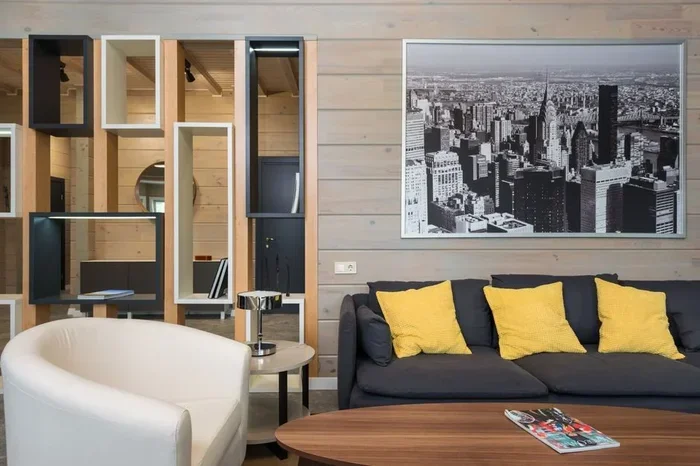
Print a series of vertical photographs and arrange them in matching slim frames. Family photos, nature shots, or black-and-white cityscapes all work well for a vertical collage. Hang them in a row or a staggered pattern for a personalized gallery wall that tells a story.
Conclusion
Long narrow vertical wall art is one of the most versatile and impactful decor choices you can make. It works in every room, fits every style, and transforms any wall with minimal effort. Whether you choose a single statement piece or build an elaborate gallery wall, the right vertical art brings life, depth, and personality to your home. Use the tips and ideas in this guide to find the perfect pieces for your space. Measure your walls, choose a style you love, and hang your art with confidence. Your walls are waiting to tell a story, and now you have everything you need to make it happen.
Frequently Asked Questions
What size should long narrow vertical wall art be?
A good rule of thumb is to choose art that is about two-thirds the width of the furniture below it. For height, aim for pieces that are at least 24 inches tall. Oversized vertical pieces that are 36 inches or more make the strongest impact in larger rooms.
Can I mix vertical and horizontal art on the same wall?
Yes, mixing orientations adds visual interest. The key is to maintain balance. Use a consistent frame style or color palette to tie the pieces together. A central vertical piece surrounded by smaller horizontal pieces is a popular and effective approach.
What is the best room for long narrow vertical wall art?
Vertical art works in every room, but it shines in hallways, entryways, and above sofas. These are the spaces where tall pieces have the most visual impact. They draw the eye upward and make narrow spaces feel more open and inviting.
How do I hang long narrow vertical art securely?
Use wall anchors for heavy pieces and picture hanging hooks for lighter ones. Always check the weight rating of your hardware. For drywall, toggle bolts provide the strongest hold. For brick or concrete walls, use appropriate masonry anchors and a drill bit sized for the anchor.
What colors work best for vertical wall art?
Neutral tones like black, white, and gold are universally flattering. Bold colors like deep blue or emerald green make a statement. Choose colors that complement the existing palette in your room. If you are unsure, black and white pieces are safe and elegant choices.
Can I use long narrow vertical wall art in a small room?
Absolutely. Vertical art is especially effective in small rooms. It draws the eye upward and creates the illusion of height, making the room feel larger. A single tall mirror or a slim abstract print can transform a small space without overwhelming it.