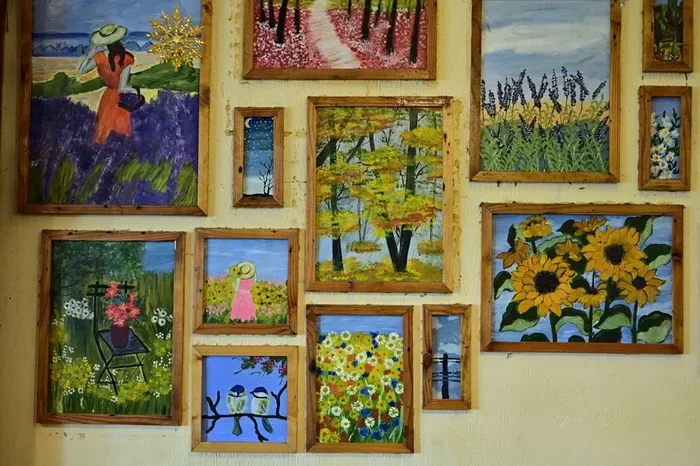
Landscape Wall Art Framed Ideas To Transform Your Space
Landscape wall art framed is one of the simplest ways to instantly refresh any room in your home. Whether you prefer serene mountain scenes, lush forest prints, or coastal views, the right framed piece adds depth, color, and personality to your walls. In this guide, you will learn how to choose the perfect frame, pair art with your existing decor, and arrange pieces like a pro. These ideas work for any budget and any style preference.
Key Takeaways
- Framed landscapes transform rooms: A single well-chosen piece can completely change the feel of your space.
- Frame style matters: Matching your frame to your room’s aesthetic creates a cohesive look.
- Placement is key: Hanging art at the right height and in the right spot makes a huge visual impact.
- Mix and match styles: Combining different landscape art pieces creates a dynamic, personalized gallery.
- Budget-friendly options exist: You do not need to spend a fortune to get beautiful results.
- Consider your wall color: The right combination of art and wall color ties the whole room together.
📑 Table of Contents
- Why Landscape Wall Art Framed Is a Game-Changer for Your Home
- Choosing the Right Frame for Your Landscape Art
- Best Landscape Art Styles for Framed Wall Displays
- Placement Strategies That Make a Difference
- Matching Framed Landscape Art with Your Room Decor
- Common Mistakes to Avoid When Hanging Framed Landscape Art
- Budget-Friendly Ways to Style Framed Landscape Art
- Expert Tips for Making Framed Landscape Art Look Professional
- Comparing Framed Landscape Art Styles
- Where to Buy Quality Framed Landscape Art
- Conclusion
Why Landscape Wall Art Framed Is a Game-Changer for Your Home
There is something magical about a landscape wall art framed piece hanging on your wall. It instantly pulls the eye, adds warmth, and makes a room feel complete. Unlike plain walls, art with a frame creates a focal point that guests notice the moment they walk in. You do not need to be an interior designer to pull this off either.
Framed landscape art works because it brings the outdoors inside. A peaceful mountain scene or a vibrant sunset print can make even the smallest room feel open and airy. The frame adds structure and polish, making the artwork look intentional and curated. This simple upgrade costs a fraction of what a full room redesign would.
What makes this approach so appealing is its versatility. You can find framed landscape prints in every style, from ultra-modern to rustic farmhouse. Whether your home has a minimalist vibe or a bold, eclectic feel, there is a landscape piece that fits perfectly. The frame acts as a bridge between the artwork and your existing decor.
If you have been thinking about updating your walls, framed landscape art is the easiest place to start. It requires no renovation, no permits, and very little effort. In just a few hours, you can completely change the mood of a room. Let us dive into the best ideas and strategies to make it work for you.
Choosing the Right Frame for Your Landscape Art
The frame you choose can make or break the look of your landscape wall art framed piece. It is not just about protection, it is about style. The right frame enhances the artwork and ties it into your room’s overall design. Getting this wrong, however, can clash with everything else in the space.
Wood Frames for a Warm Feel
Wood frames are the most popular choice for landscape art, and for good reason. They add natural warmth and work beautifully with almost any decor style. Light oak frames suit minimalist wall art for living room setups, while dark walnut frames add richness to traditional spaces. The grain and texture of wood also complement nature-themed landscapes perfectly.
When choosing a wood frame, pay attention to the finish. A matte finish feels more modern and understated. A glossy finish adds a touch of elegance and formality. Both look great, but they send different signals about your style.
Metal Frames for a Sleek Look
If your room leans toward a more contemporary feel, consider metal frames. Black thin metal frames create a clean, gallery-like presentation that lets the landscape art speak for itself. Metal wall art and framed prints pair well together in rooms with a modern aesthetic.
Brushed silver and gold-toned metal frames add a subtle luxury touch. These work especially well in luxury wall art for living room settings where you want a polished, high-end appearance. Metal frames also resist warping and hold up well in humid environments.
Thin vs. Thick Frames: What Works Best
Frame thickness changes the entire impression of the artwork. Thin frames feel contemporary and understated. They let the landscape take center stage without competing for attention. Thick frames make more of a statement and work best with bold, large-scale pieces.
As a general rule, choose a frame that is proportional to the artwork. A small print looks lost in an oversized frame, while a large print can overwhelm a delicate thin frame. Trust your eye, and do not be afraid to try different combinations before you commit.
Best Landscape Art Styles for Framed Wall Displays
Not all landscape art is created equal. Different styles evoke different moods and work best in different rooms. Understanding these styles helps you pick pieces that truly resonate with your taste and your space.
Mountain and Alpine Scenes
Mountain landscapes are timeless and universally loved. They evoke feelings of peace, adventure, and grandeur. A framed mountain scene works beautifully above a sofa or fireplace mantel. These pieces pair especially well with neutral wall colors and natural materials like wood and stone.
For a cohesive look, consider how your living room wall design incorporates the mountain art. A simple wood shelf below the frame with a small plant or candle creates a curated, intentional display.
Coastal and Ocean Views
Coastal landscape art brings the calming energy of the sea into your home. Blues, whites, and sandy tones create a relaxing atmosphere in any room. These prints work wonderfully in bedrooms, bathrooms, and sunrooms where you want a tranquil vibe.
Pair coastal art with light, airy furniture and natural textiles. The combination of ocean views and natural materials creates a serene retreat feel. If your home already has coastal or beach-style decor, framed ocean art is a natural fit.
Forest and Botanical Prints
Forest landscapes and botanical prints add lush greenery to your walls without the maintenance of real plants. Deep greens and earthy tones ground a room and create a sense of connection with nature. These prints work well in reading nooks, home offices, and entryways.
Framed botanical art also pairs beautifully with living room wall colour combination schemes that include greens, creams, and warm neutrals. The organic feel of these pieces softens modern furniture and adds character to any wall.
Placement Strategies That Make a Difference
Even the most beautiful landscape wall art framed piece will fall flat if you hang it in the wrong spot. Placement affects how the art is perceived and how it interacts with the room. A few smart strategies make all the difference.
The Rule of Eye Level
The center of your framed artwork should sit at eye level, which is typically about 57 to 60 inches from the floor. This is the standard used by galleries and museums, and it works in homes too. When the art hangs too high, it feels disconnected. When it hangs too low, it looks awkward and gets lost.
For furniture placement, hang art about 6 to 12 inches above the back of a sofa or console table. This creates a natural visual relationship between the furniture and the wall. The art should feel like it belongs above the furniture, not floating disconnected on the wall.
Creating a Gallery Wall with Landscape Pieces
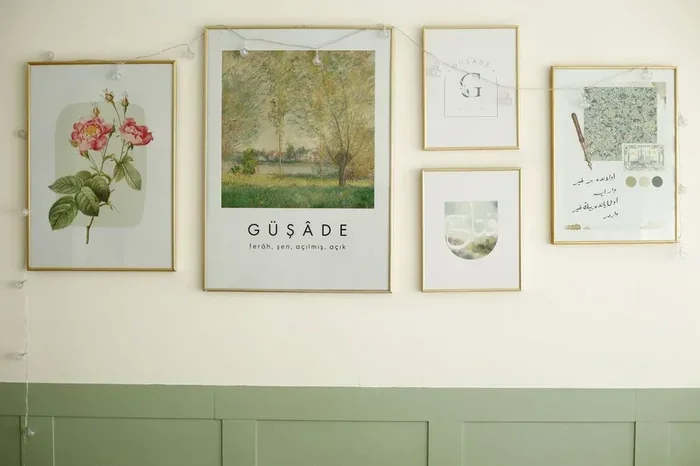
Gallery walls are incredibly popular right now, and landscape art is a perfect choice for them. Mix framed landscape prints with other art styles to create an eclectic, personal display. You can alternate between landscape pieces, abstract prints, and modern abstract art for living room pieces for a balanced look.
Start by arranging your pieces on the floor first. Lay them out in your desired configuration and take a photo. This makes it much easier to transfer the arrangement to the wall. Use a level and measuring tape to ensure even spacing between frames.
Focal Point Placement
Every room needs a focal point, and landscape wall art framed pieces are excellent candidates. Above a fireplace, on the main wall opposite the entrance, or in a hallway alcove, a single large framed landscape draws the eye immediately. This creates a sense of intention and design without overwhelming the space.
Consider the room’s purpose when choosing your focal point. A calming forest scene above a bed promotes relaxation. A vibrant sunset print in a dining room adds energy and warmth. Think about the mood you want to create and let that guide your placement decision.
Matching Framed Landscape Art with Your Room Decor
One of the biggest mistakes people make is buying art without thinking about how it fits with the rest of the room. Your framed landscape prints should complement your existing decor, not compete with it. A little planning goes a long way toward creating a harmonious space.
Color Coordination Made Easy
Look at the colors in your landscape print and pull from them when choosing other decor items. If your landscape features blue mountains and a golden sky, add blue throw pillows or golden candle holders nearby. This creates a cohesive look that feels intentional and well-designed.
Do not be afraid to use the landscape art as your color palette starting point. This takes the guesswork out of decorating and ensures everything in the room works together. The art becomes both a decorative piece and a design tool.
Pairing with Shelving and Furniture
Framed landscape art looks stunning when paired with floating shelves or a industrial wall shelf below. This combination adds dimension and interest to an otherwise blank wall. Place a small plant, a book stack, or a decorative object on the shelf to create a layered display.
For a more curated look, lean larger framed pieces against the wall on the floor rather than hanging them. This works especially well in bedrooms and casual living spaces. It creates a relaxed, effortless vibe that feels modern and approachable.
Common Mistakes to Avoid When Hanging Framed Landscape Art
Even experienced decorators make mistakes with wall art placement. Learning what to avoid saves you time, money, and frustration. Here are the most common pitfalls and how to steer clear of them.
Choosing the Wrong Size
Art that is too small gets lost on a large wall. Art that is too large overwhelms a small space. Measure your wall and your furniture before you buy. A good rule of thumb is to choose a piece that covers about two-thirds to three-quarters of the furniture width below it.
Ignoring the Lighting
Your landscape art deserves to be seen properly. Poor lighting washes out colors and makes the piece feel invisible. Consider adding a picture light above the frame or placing the art near a natural light source. Proper lighting brings out the details and colors in your landscape print.
Hanging Too Many Small Pieces
While gallery walls are beautiful, cramming too many small pieces together creates visual clutter. Leave breathing room between frames. Each piece should have enough space to stand on its own while contributing to the overall composition.
Budget-Friendly Ways to Style Framed Landscape Art
Decorating with framed landscape art does not have to break the bank. Some of the most stunning displays come from creative, budget-conscious choices. Here are smart ways to get great results without overspending.
- Shop thrift stores and flea markets: Vintage frames add character and often cost just a few dollars. You can repaint or refurbish them to match your style.
- Print your own landscapes: High-quality prints of famous landscapes cost a fraction of original artwork. Frame them in stylish store-bought or thrifted frames for a custom look.
- Create a DIY gallery wall: Mix expensive pieces with affordable prints and your own photography. This creates a unique, personal display that no store-bought collection can match.
- Use washi tape or clip systems: These removable hanging methods let you change your art display frequently without damaging walls. Great for renters or anyone who likes to refresh their decor often.
- Invest in one statement piece: A single high-quality landscape wall art framed piece makes more impact than several small, generic prints. Focus your budget on one showstopper and build around it.
Expert Tips for Making Framed Landscape Art Look Professional
Professional interior designers use a few tricks that make their wall displays look effortlessly polished. You can use these same techniques in your own home.
First, always use a level when hanging art. Even a slight tilt throws off the entire look and makes the piece feel “off.” A small bubble level costs almost nothing and makes a huge difference in the finished result.
Second, consider the wall color carefully. Landscape wall art framed pieces pop most when there is contrast between the frame and the wall. Dark frames on light walls create a classic look. Light frames on dark walls feel modern and dramatic. Test your options by holding the frame against the wall before committing.
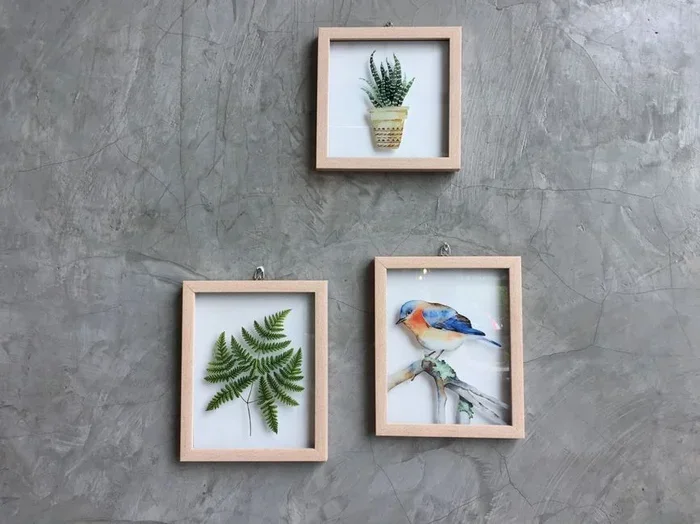
Third, group art in odd numbers for a more dynamic display. Three or five frames arranged together feel more natural and visually interesting than pairs. This applies whether you are hanging matching prints or a mix of different landscape styles.
Finally, step back frequently as you work. Take photos from across the room to see how the arrangement looks from a distance. What looks good up close might not have the same impact across the room. This simple habit saves countless do-overs.
Comparing Framed Landscape Art Styles
| Style | Best Room | Frame Type | Vibe |
|---|---|---|---|
| Mountain Scenes | Living Room | Rustic Wood | Calm, Adventurous |
| Coastal Views | Bedroom, Bathroom | Thin Metal or Light Wood | Tranquil, Airy |
| Forest Prints | Home Office, Reading Nook | Dark Wood or Reclaimed Wood | Grounding, Organic |
| Sunset Landscapes | Dining Room, Entryway | Gold or Brass Frame | Warm, Elegant |
| Abstract Landscapes | Modern Living Room | Sleek Thin Metal | Bold, Contemporary |
Each style brings its own energy to a room. The key is matching the mood of the landscape to the function of the space. A serene coastal print in a bedroom promotes restful sleep, while a bold sunset adds warmth to a dining area where you entertain guests.
Where to Buy Quality Framed Landscape Art
Finding the right landscape wall art framed piece has never been easier. Online marketplaces offer thousands of options at every price point. Local art fairs and galleries carry unique, one-of-a-kind pieces that add character to your home. Thrift stores and estate sales are treasure troves for vintage frames and affordable prints.
When shopping online, always check the return policy and read reviews carefully. Look for sellers who use high-quality printing materials and archival-grade framing. This ensures your art stays vibrant and protected for years to come. Investing in quality framing also means the colors will not fade and the frame will not warp over time.
Consider supporting local artists when possible. Many create stunning landscape pieces that you will not find anywhere else. Plus, buying local means you often get custom framing options and the satisfaction of knowing your art supports a real person and their craft.
Remember, the goal is to create a space that feels like home. Your landscape art should spark joy every time you see it. Do not settle for pieces that feel generic or impersonal. The best framed landscape prints are the ones that speak to you and make you feel something every time you glance at them.
Conclusion
Landscape wall art framed ideas offer an incredibly effective way to refresh and elevate any room in your home. From choosing the right frame and style to placing your pieces strategically, every decision contributes to the final result. The beauty of this approach is that it is accessible to everyone, regardless of budget or experience level.
Start with one statement piece and build from there. Pay attention to how the art interacts with your wall colors, furniture, and overall room style. Small adjustments in placement and pairing can turn a simple print into a room-defining element. Trust your instincts, have fun with the process, and enjoy the transformation that comes with thoughtful, well-chosen landscape art.
Your walls are a canvas waiting to be filled. Let your framed landscape art tell your story and create a space that reflects who you are. The journey to a beautifully decorated home starts with a single frame on the wall.
Frequently Asked Questions
What size should my framed landscape wall art be?
Choose a piece that covers about two-thirds to three-quarters of the furniture below it. For a standard sofa, this usually means a print that is 24 to 36 inches wide. If you are hanging art on a large empty wall, go bigger rather than smaller. An undersized piece on a large wall looks like an afterthought.
Can I mix different landscape styles in one room?
Absolutely. Mixing mountain scenes, coastal views, and forest prints can create a rich, layered look. The key is to find a unifying element, such as matching frames, a consistent color palette, or a shared theme like nature. This approach adds personality and depth to your space.
What is the best way to hang framed landscape art in a small room?
In small rooms, choose one or two statement pieces rather than many small prints. Hang the art at eye level and use light colors to keep the space feeling open. A single large framed landscape can make a small room feel more expansive and intentional.
Should the frame match other furniture in the room?
Not necessarily, but there should be some visual harmony. If your furniture has warm wood tones, a wood frame creates continuity. If your room has a modern, metal-heavy aesthetic, a thin metal frame works well. The goal is cohesion, not exact matching.
How do I protect my framed landscape art from fading?
Use UV-protective glass or acrylic in your frame. Avoid hanging art in direct sunlight or near heat sources. archival-quality materials and acid-free backing also help preserve the print and colors over time.
Can I use landscape wall art in rooms other than the living room?
Definitely. Landscape art works beautifully in bedrooms, hallways, dining rooms, home offices, and even bathrooms. Coastal prints suit bathrooms and bedrooms, while mountain scenes add drama to dining rooms and entryways. The versatility of landscape art is one of its greatest strengths.