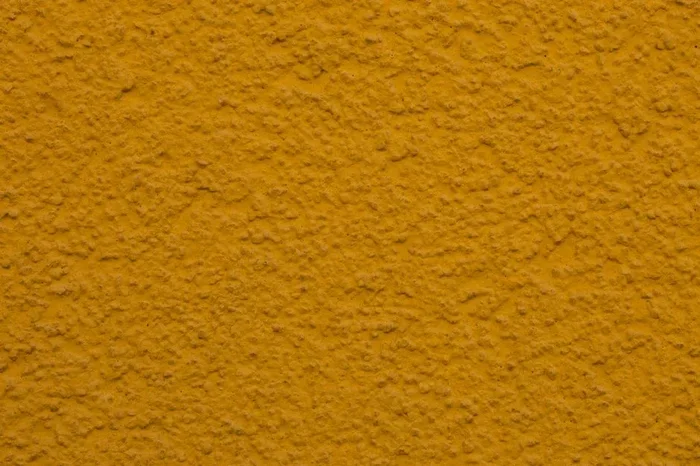
Interior Wall Texture Design Ideas for Beautiful Homes
Interior wall texture design adds depth, character, and visual interest to any home. Whether you prefer subtle finishes or bold statement walls, textured walls elevate your space instantly. This guide covers the best wall texture ideas, DIY techniques, and design tips for every room.
Have you ever walked into a room and felt like the walls were doing more than just holding up the ceiling? That is the magic of interior wall texture design. Textured walls bring life, depth, and personality into spaces that flat paint simply cannot match. Whether you are building a new home or refreshing an existing room, wall textures are one of the most impactful upgrades you can make.
The good news is that you do not need to be a professional to achieve gorgeous results. From simple paint techniques to elegant plaster finishes, there is a texture for every style and budget. In this guide, we will walk you through the best wall texture ideas, practical tips, and common mistakes to avoid. By the end, you will have everything you need to transform your walls into stunning focal points.
Key Takeaways
- Wall texture design can completely change the feel of a room without major renovations.
- Popular textures include knockdown, orange peel, skip trowel, and Venetian plaster finishes.
- DIY wall texture techniques are affordable and easy to learn with basic tools.
- Living room wall panel design and wall tiles offer elegant texture options for modern homes.
- Choosing the right texture depends on your style, room size, and lighting conditions.
- Wall stencils and molding are great ways to add dimension on a budget.
- Texture mistakes like overdoing it or ignoring lighting can ruin an otherwise beautiful wall.
📑 Table of Contents
- What Is Interior Wall Texture Design?
- Popular Interior Wall Texture Design Ideas
- How to Choose the Right Wall Texture for Your Home
- DIY Wall Texture Techniques You Can Try
- Living Room Wall Texture Design Inspiration
- Common Mistakes to Avoid in Wall Texture Design
- Expert Tips for Stunning Wall Texture Design
- Bringing It All Together
What Is Interior Wall Texture Design?
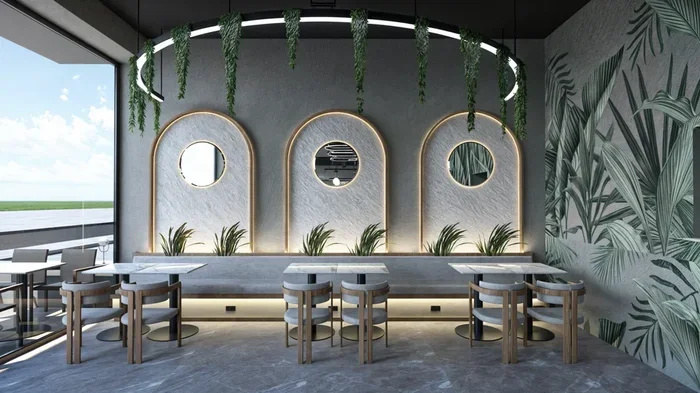
Interior wall texture design refers to the process of adding visual and tactile depth to walls using various materials and techniques. Instead of applying a flat, smooth coat of paint, texture creates patterns, bumps, ridges, and layers that catch light and shadow in beautiful ways.
Think of it as giving your walls a personality. A smooth wall feels clean and minimal. But add a little texture, and suddenly the room feels warm, layered, and interesting. Wall textures work in every style, from rustic farmhouse to sleek modern interiors. They also help hide imperfections on wall surfaces, which is a huge bonus in older homes.
Why Texture Matters in Home Decor
Texture plays a huge role in how we experience a room. It adds what designers call “visual weight.” This means a textured wall draws the eye and creates a sense of depth. In a small room, the right texture can make walls feel less flat and more dynamic. In a large room, it can add coziness and warmth.
Here are some key reasons why wall texture design matters:
- Visual interest: Textured walls break up the monotony of flat surfaces.
- Light play: Different textures interact with light in unique ways, creating shadows and highlights.
- Hides flaws: Texture can disguise cracks, uneven surfaces, and minor wall damage.
- Adds value: Well-designed textured walls can increase the perceived value of a home.
- Personal expression: Texture lets you showcase your style and creativity.
Popular Interior Wall Texture Design Ideas
There are so many directions you can go with wall textures. The best choice depends on your personal style, the room’s purpose, and your budget. Here are some of the most popular wall texture ideas that homeowners love right now.
Knockdown Texture
Knockdown texture is one of the most widely used techniques in residential interiors. It involves applying joint compound to the wall with a spray texture gun or a roller, then “knocking down” the peaks with a trowel while the material is still wet. The result is a soft, pebbly surface that adds subtle dimension.
This texture works beautifully in bedrooms, hallways, and living areas. It is forgiving and easy to repair if damaged. Many people choose knockdown texture because it looks natural and does not overwhelm a room.
Skip Trowel Finish
The skip trowel technique creates a smooth, almost Mediterranean look. You apply joint compound in thin layers and use a wide trowel to skip across the surface, leaving behind irregular patterns. This gives walls a handcrafted, artistic feel.
Skip trowel is perfect for living room wall texture design. It pairs beautifully with warm wood tones and earthy color palettes. If you love the look of stucco or plaster but want something softer, skip trowel is a fantastic option.
Orange Peel Texture
Orange peel texture gets its name from its resemblance to the skin of an orange. It is created by spraying a thin layer of texture compound onto the wall and letting it air dry. The result is a bumpy, subtle surface that is more textured than smooth paint but less dramatic than knockdown.
This is a great choice for bathrooms and kitchens because it resists moisture better than flat paint. It is also relatively easy to apply and maintain. Many renters and homeowners prefer orange peel for its understated elegance.
Venetian Plaster
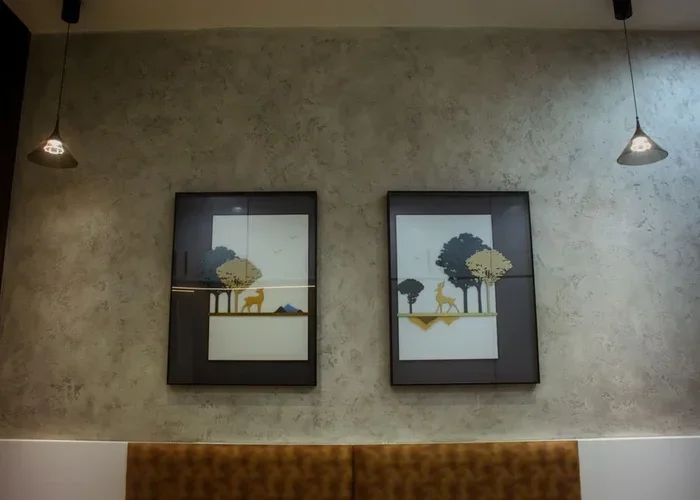
Venetian plaster is a luxurious wall finish that creates a smooth, almost marble-like appearance. It involves applying multiple thin layers of plaster with a trowel, then burnishing the final layer to a high shine. The result is a wall that looks like polished stone but feels smooth to the touch.
Venetian plaster is ideal for luxury wall decor for living room spaces. It adds a sense of sophistication and old-world charm. While it requires more skill and cost, the finished look is absolutely stunning.
3D Wall Panels and Tiles
If you want a texture that truly stands out, 3D wall panels and tiles are worth considering. These panels create dramatic geometric patterns that cast interesting shadows and add real depth to a room. They come in materials like PVC, MDF, and natural stone.
Living room wall tiles design with 3D patterns is a trending choice for modern interiors. You can use them on a single accent wall or across an entire room for a bold statement. The best part is that installation is straightforward and does not require professional help in most cases.
How to Choose the Right Wall Texture for Your Home
Not all wall textures work in every space. Choosing the right one depends on several factors, including room size, lighting, and your overall decor style. Let us break down how to make the best choice for your home.
Consider Room Size
In small rooms, heavy textures can make the space feel even tighter. Lighter textures like orange peel or a subtle skip trowel work best in compact areas. They add just enough dimension without closing the room in.
In larger rooms, you have more freedom. Bold textures like Venetian plaster, 3D panels, or heavy knockdown can fill the space and create a cozy, inviting atmosphere. Think of texture as a balancing act between the room’s size and the visual weight you want to create.
Match Your Decor Style
Your wall texture should complement your existing decor, not clash with it. Here is a quick guide to matching textures with popular interior styles:
- Modern: Smooth Venetian plaster, clean knockdown, or 3D geometric panels.
- Farmhouse: Skip trowel, shiplap wall panels, or wood accent walls.
- Industrial: Exposed brick textures, metal wall panels, or rough plaster finishes.
- Bohemian: Hand-painted wall stencils, woven textures, or colorful textured paint.
- Traditional: Elegant molding, raised panel textures, or classic plaster finishes.
Think About Lighting
Lighting has a huge impact on how wall textures look. Natural light reveals the subtle bumps and ridges of a textured wall, making the texture pop. Artificial lighting, especially overhead fixtures, can cast shadows that either enhance or flatten the texture depending on placement.
For the best results, use warm, layered lighting in rooms with textured walls. Wall sconces and floor lamps create gentle shadows that highlight the texture beautifully. If you are unsure, test a small area first and observe how it looks at different times of day.
DIY Wall Texture Techniques You Can Try
One of the best things about wall texture is that you can do it yourself. Many techniques require only basic tools and affordable materials. Here are some beginner-friendly DIY wall texture ideas to get you started.
Textured Paint with a Roller
This is the simplest method. You buy a textured paint additive or use a thick acrylic paint, then apply it with a heavy-nap roller. The roller leaves behind a subtle pattern that adds instant dimension. You can experiment with different roller types to create various effects.
Pro tip: Practice on a piece of cardboard first. This lets you see the pattern before committing to the wall. It also lets you adjust the amount of pressure you apply.
Wall Stencils for Patterned Texture
Wall stencils are an easy and affordable way to add patterned texture to any room. You simply tape the stencil to the wall, apply texture paste or thick paint with a stencil brush, and remove the stencil. The result is a clean, repeatable pattern that looks professional.
Stencils come in endless designs, from geometric shapes to floral motifs. They work especially well for creating accent walls or adding texture to an otherwise plain room. Living room wall stencils offer a great starting point for inspiration and product ideas.
Joint Compound and Trowel Techniques
For more advanced DIYers, joint compound opens up a world of texture possibilities. You can create knockdown, skip trowel, or even custom patterns using basic tools like trowels, sponges, and brushes. The compound dries hard and can be painted over just like regular drywall.
Start with a small section of the wall. Apply the compound with a wide trowel, then use different tools to create your desired pattern. Once dry, sand lightly and paint. The process is messy but rewarding, and the results look incredibly professional.
Wood Accent Walls
Wood is a natural texture that adds warmth and character to any room. Living room wood accent wall ideas range from shiplap planks to reclaimed barn wood panels. You can install wood strips vertically, horizontally, or in a chevron pattern for different effects.
Wood walls pair beautifully with neutral paint colors and metal fixtures. They also work as a stunning tv wall design feature, creating a rustic yet polished look. If you love the cozy feel of natural materials, a wood accent wall is a must-try.
Living Room Wall Texture Design Inspiration
The living room is often the first room guests see, so it makes sense to make a statement here. Living room wall texture design sets the tone for the entire home. Let us explore some ideas that work beautifully in this central space.
Accent Wall with 3D Panels
One of the most popular trends right now is using 3D wall panels on a single accent wall behind the sofa or fireplace. These panels create a dramatic focal point that draws the eye. Materials like MDF, PVC, and natural stone offer different looks and price points.
Pair 3D panels with soft lighting to make the shadows and depth really stand out. This approach works in both modern and transitional living rooms. It is also one of the easiest ways to add a high-end look without the high-end cost.
Wall Paneling for a Classic Look
Living room wall panel design never goes out of style. Traditional wainscoting, raised panels, or shiplap add a timeless charm that flat walls simply cannot achieve. Paneling works especially well in rooms with high ceilings, where it adds a sense of warmth and proportion.
You can keep paneling the same color as the walls for a subtle effect, or paint it a contrasting shade for a bolder statement. Many homeowners choose to stain wood paneling a rich walnut or oak tone for a classic, elegant finish.
Mixing Texture with Wall Color
Color and texture work together to create the final look of a wall. A neutral texture like knockdown pairs well with bold wall colors, while a smooth Venetian plaster looks stunning in soft, muted tones. The key is balance. If your texture is bold, keep the color simple. If your color is dramatic, a subtler texture lets the hue shine.
For example, a warm gray wall with a light skip trowel finish creates a sophisticated, layered look. On the other hand, a crisp white wall with heavy orange peel texture feels clean and fresh. Experiment with different combinations to find what suits your space best.
Common Mistakes to Avoid in Wall Texture Design
Even with the best intentions, it is easy to make mistakes when working with wall textures. Here are some common pitfalls and how to avoid them.
Overdoing the Texture
More is not always better. Heavy texture on every wall can make a room feel small, dark, and overwhelming. The best approach is to use texture selectively. Choose one accent wall or feature area and keep the remaining walls smooth. This creates balance and lets the textured wall shine as a focal point.
Ignoring the Room’s Purpose
Not every texture works in every room. Rough, heavily textured walls can collect dust and be difficult to clean. In kitchens and bathrooms, choose moisture-resistant textures like orange peel or sealed plaster. In children’s rooms, avoid textures with sharp edges or delicate surfaces that can be damaged easily.
Skipping Prep Work
Applying texture over unprepared walls leads to peeling, cracking, and uneven results. Always clean the wall surface, fill any holes or cracks, and apply a primer before starting. Good prep work is the foundation of a beautiful finish that lasts for years.
Choosing the Wrong Lighting
As mentioned earlier, lighting dramatically affects how texture looks. Harsh overhead lighting can flatten texture and make it look muddy. Instead, use warm, indirect lighting that casts gentle shadows and highlights the contours of the wall. Wall sconces, picture lights, and even candles can make textured walls look their best.
Expert Tips for Stunning Wall Texture Design
Want to take your wall texture game to the next level? Here are some expert insights that make a real difference.
- Start small: If you are new to wall textures, practice on a small area or a piece of drywall before tackling an entire wall.
- Use quality materials: Cheap joint compound or paint additives can lead to cracking and poor adhesion. Invest in good products for the best results.
- Layer your textures: Combining two texture techniques on the same wall adds depth and visual complexity. For example, try a base layer of knockdown with a stenciled pattern on top.
- Consider living room wall panel design for a polished look: Wall panels offer a clean, structured texture that works in almost any decor style.
- Paint after the texture dries completely: Rushing this step can cause the paint to crack or peel. Give your texture at least 24 hours to dry fully before painting.
- Use a primer designed for textured surfaces: This ensures paint adheres evenly and the final color looks consistent across the textured wall.
Bringing It All Together
Interior wall texture design is one of the most effective and affordable ways to transform your home. Whether you choose a subtle knockdown finish or a bold 3D panel feature wall, texture adds the dimension and character that flat paint simply cannot provide. The best part is that there is a texture for every style, every budget, and every skill level.
Start by identifying the room and mood you want to create. Then pick a texture technique that matches your vision. Do not be afraid to experiment, and remember that practice makes perfect. With the right approach, your walls can become the most talked-about feature in your home.
Take inspiration from the ideas in this guide, try a few techniques yourself, and watch your living spaces come alive with depth and beauty. Your walls are waiting to tell a story, and wall texture design is the perfect way to write it.
Frequently Asked Questions
What is the best wall texture for a small living room?
For small living rooms, light and subtle textures work best. Orange peel, light knockdown, or smooth Venetian plaster add dimension without making the space feel cramped. Avoid heavy or dark textures that can shrink the room visually.
Can I apply wall texture over existing paint?
Yes, you can apply texture over existing paint in most cases. However, you should clean the surface thoroughly and apply a primer first. This ensures the new texture adheres properly and lasts longer without peeling or cracking.
How much does it cost to texture a wall professionally?
Professional wall texturing typically costs between $1 and $3 per square foot, depending on the complexity of the technique. Simple textures like orange peel are on the lower end, while elaborate finishes like Venetian plaster cost more. DIY options can save you a significant amount of money.
What is the easiest DIY wall texture technique?
The easiest DIY technique is using a textured paint roller additive. You simply mix the additive into your paint and roll it onto the wall. It requires no special tools and produces a subtle, attractive texture that looks professional even for beginners.
How do I maintain textured walls?
Maintaining textured walls is simple. Dust them regularly with a soft brush or microfiber cloth. For deeper cleaning, use a damp sponge gently. Avoid harsh chemicals or abrasive scrubbing, as these can damage the texture surface over time.
Which wall texture lasts the longest?
Venetian plaster and sealed wall tiles tend to last the longest, often decades with proper care. Joint compound textures like knockdown and skip trowel also hold up well but may need occasional touch-ups. The key to longevity is using quality materials and proper preparation.
=== CONCLUSION ===
Interior wall texture design offers endless possibilities for creating beautiful, unique spaces in your home. From simple paint techniques to elegant plaster finishes, there is a texture solution for everyone. The ideas and tips in this guide should give you the confidence to start your next wall project with excitement and clarity.
Remember, the best texture is one that reflects your personal style and enhances the mood of your room. Take your time, plan carefully, and enjoy the process of transforming plain walls into stunning features. Your home deserves walls that tell a story, and with the right texture, they will.