How to Choose the Perfect Middle Table For Living Room
Choosing the right middle table for living room can completely transform your space. This guide walks you through every detail, from sizes and shapes to materials and styling. You will learn how to pick a center table that fits your room, matches your style, and serves your daily needs.
A middle table for living room is more than just a piece of furniture. It is the anchor of your space. It holds your coffee, your books, your decor, and your memories. Whether you are redecorating or buying for a new home, picking the right table can feel overwhelming. There are so many shapes, sizes, and materials to consider.
But here is the good news. With the right guidance, the decision becomes much simpler. This guide breaks everything down into easy steps. You will learn about different types, how to measure your space, which materials work best, and how to style your table like a pro. Let us dive in and find the perfect center table for your living room.
Key Takeaways
- Match table size to your room: Leave at least 18 inches of clearance around the table for comfortable movement.
- Shape matters: Round tables work best in tight spaces, while rectangular tables suit larger living rooms.
- Material affects durability and style: Wood, glass, metal, and each option offers a different look and feel.
- Storage adds value: Choose a storage coffee table if you need extra space for blankets, books, or remotes.
- Style should complement your decor: Modern, rustic, mid-century, and traditional styles each create a different mood.
- Height should align with your sofa: Most living room coffee table options sit between 16 and 18 inches tall.
- Budget-friendly options exist: You can find great center tables at every price point with a little planning.
📑 Table of Contents
- Why the Middle Table Matters in Your Living Room
- Types of Middle Tables You Can Choose From
- How to Size Your Middle Table Correctly
- Best Materials for a Living Room Center Table
- Styling Tips for Your Middle Table
- Common Mistakes to Avoid When Choosing a Middle Table
- Expert Insights on Choosing the Best Center Table
- Key Takeaways
- Frequently Asked Questions
- Conclusion
Why the Middle Table Matters in Your Living Room
The living room coffee table does more than just sit in the middle. It ties the whole room together. It gives your sofa and chairs a purpose. Without a table, your seating area feels incomplete and unorganized.
A Functional Hub for Daily Life
Think about how you use your living room every day. You set down your morning coffee. You place the remote control. You flip through a magazine. A middle table for living room gives you a convenient surface for all of these small but important moments. It keeps things within arm’s reach.
Without a table, items end up on the couch or the floor. This creates clutter and makes the room feel smaller. A well-chosen table solves this problem instantly. It brings order and function to your daily routine.
A Stylish Centerpiece for Your Space
Beyond function, the center table sets the visual tone of the room. It draws the eye. It anchors the furniture arrangement. When guests walk into your living room, the coffee table is one of the first things they notice.
A beautiful table can elevate the entire room. It can make a simple sofa look elegant. It can turn a plain space into a stylish retreat. That is why choosing the right living room furniture centerpiece deserves real thought and care.
Types of Middle Tables You Can Choose From
Not all center tables are the same. Each type offers a unique look and set of benefits. Understanding your options helps you narrow down the best fit for your home.
Traditional Wooden Coffee Tables
Wooden tables are a classic choice. They bring warmth and natural beauty to any room. Oak, walnut, pine, and mahogany are popular options. Each wood type has its own grain pattern and character.
Wooden tables are durable and long-lasting. They work well in traditional, rustic, and farmhouse styles. If you want a middle table for living room that feels timeless, wood is a strong contender.
Glass Coffee Tables
Glass tables create a sleek, modern look. They make a small room feel larger because you can see through them. This is a great trick for coffee tables for small living room spaces.
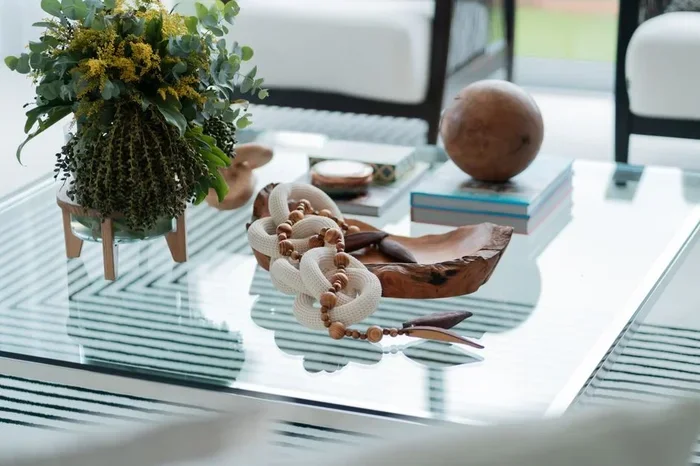
Tempered glass is the safest and most durable option. It resists scratches and handles weight well. Pair a glass table with metal legs for a clean, contemporary vibe. Glass tables are easy to clean too, which is a practical bonus.
Ottoman and Nesting Tables
Ottoman tables double as extra seating or a footrest. They are incredibly versatile. You can tuck them away when you need floor space. Nesting tables are a set of smaller tables that stack together. You can spread them out when guests visit and push them together when you do not need them.
Both options are perfect for flexible living spaces. They save room and offer multiple uses. If your living room layout needs to adapt, these are excellent choices.
Round and Oval Coffee Tables
Round tables soften the look of a room. They work well in smaller spaces because there are no sharp corners to bump into. An oval table offers a similar benefit with a slightly elongated shape.
These shapes encourage conversation. People can pull up close without navigating sharp edges. A round coffee table also makes it easier for children to reach the surface safely.
Reclaimed and Rustic Tables
Reclaimed wood tables bring character and history. They often feature visible knots, nail marks, and weathered textures. These tables are perfect for farmhouse, industrial, or bohemian styles.
Rustic tables feel warm and inviting. They add a cozy charm that mass-produced furniture cannot match. If you love unique pieces with a story, explore reclaimed center table options at local markets or online stores.
How to Size Your Middle Table Correctly
Size is one of the most important factors. A table that is too big makes the room feel cramped. A table that is too small looks lost in the space. Getting the right size makes a huge difference.
Measure Your Available Space
Start by measuring the area where the table will go. Leave at least 18 inches of clearance on all sides. This ensures people can walk around comfortably. It also prevents the table from feeling crowded.
A good rule of thumb is to choose a table that is about two-thirds the length of your sofa. This creates a balanced, proportional look. For example, if your sofa is 84 inches long, aim for a table around 56 inches long.
Standard Dimensions to Keep in Mind
Most coffee table height options fall between 16 and 18 inches. This matches the seat height of most sofas. The surface should be close enough to reach from the couch without stretching.
For width and length, consider the room size. Small rooms benefit from tables around 36 to 42 inches long. Medium rooms work well with 48 to 54 inch tables. Large rooms can accommodate tables that are 60 inches or longer.
Quick Tips for Sizing
- Allow 18 inches of walking space around the table.
- Match table length to about two-thirds of the sofa length.
- Keep height at or slightly below sofa seat height.
- Measure doorways to make sure the table fits through when delivered.
- Consider table shape — round tables take up less visual space than rectangular ones.
Best Materials for a Living Room Center Table
The material you choose affects both the look and the durability of your table. Each option has its own strengths. Let us explore the most popular choices.
Wood
Wood is the most popular material for a middle table for living room. It is sturdy, warm, and available in countless finishes. Solid wood lasts for years and can be refinished if it gets scratched or worn.
Engineered wood and MDF are more affordable alternatives. They still look great but may not last as long. If you want a wooden coffee table that stands the test of time, invest in solid hardwood.
Glass
Glass tables create an airy, open feel. They are perfect for modern and contemporary living room decor. Tempered glass is the safest option and can support significant weight.
The downside is that glass shows fingerprints and smudges easily. You will need to clean it regularly. But the visual benefit of making a room look bigger is hard to beat.
Metal
Metal tables offer a sleek, industrial look. Steel, iron, and aluminum are common choices. Metal frames often pair with glass or wood tops for a mixed-material design.
These tables are very durable and resist scratches. They work well in modern, minimalist, and mid century coffee table styles. Metal tables can feel cold in a room, so pair them with warm textiles like throws and cushions.
Marble and Stone
Marble and stone tables feel luxurious and elegant. They are heavy, which means they stay in place and do not slide around. Natural stone has unique veining patterns that make each table one of a kind.
These materials require more care. They can stain from spills if not sealed properly. But for a statement piece that elevates your living room furniture, marble and stone are hard to beat.
Plastic and Acrylic
Acrylic and plastic tables are lightweight and budget-friendly. They work well in playful or eclectic designs. Clear acrylic tables create a modern, transparent look similar to glass.
They are not as durable as wood or metal. Scratches can show over time. But for renters or those on a tight budget, acrylic center table options offer great value.
Comparison Table: Material Pros and Cons
| Material | Durability | Style | Maintenance | Price Range |
|---|---|---|---|---|
| Wood | High | Classic, warm | Low | Moderate to high |
| Glass | Moderate | Modern, sleek | Medium | Moderate |
| Metal | Very high | Industrial, minimalist | Low | Moderate |
| Marble | High | Luxury, elegant | High | High |
| Acrylic | Low to moderate | Modern, playful | Medium | Low to moderate |
Styling Tips for Your Middle Table
Once you have chosen your table, the fun part begins — styling it. A well-styled table makes the whole room feel put together. A cluttered or empty table can make the space feel off.
Start with a Tray
A decorative tray is the easiest way to style a middle table for living room. It creates a defined space for candles, coasters, or small decor items. Trays keep things organized and add a polished look.
Choose a tray that matches the table’s material or color. A wooden tray on a wooden table creates a cohesive feel. A mirrored tray adds a touch of elegance to any surface.
Add Height with Books and Objects
Varying the height of items on your table creates visual interest. Stack a few coffee table books of different sizes. Place a small plant or a decorative object on top. This layered look makes the table feel curated and intentional.
Avoid placing everything at the same height. Flat arrangements look flat and boring. Adding a tall candle or a small sculpture draws the eye and adds depth.
Incorporate Functional Items
Your table should work for you, not just look good. Keep a small basket underneath for magazines or blankets. Use coasters to protect the surface from drinks. A small tray can hold the remote, a candle, and a glass without cluttering the space.
Functional styling keeps the table practical while looking beautiful. It is one of the best living room decor tips for everyday use.
Seasonal Updates Keep Things Fresh
Switching out a few small items with the seasons keeps your table feeling current. In summer, add a small vase of fresh flowers. In winter, swap in a warm-toned candle and a soft throw blanket.
These small changes cost almost nothing but make a big difference. They keep your coffee table for living room looking fresh without a full redesign.
Common Mistakes to Avoid When Choosing a Middle Table
Even with the best intentions, many people make mistakes when picking a center table. Avoiding these common errors saves time, money, and frustration.
Buying a Table That Is Too Big
The most common mistake is choosing a table that overwhelms the room. A large table in a small living room blocks traffic flow and makes the space feel cramped. Always measure your room before shopping. Stick to your measurements and resist the urge to go bigger.
Ignoring the Height
Table height matters more than people think. A table that is too tall or too short creates an uncomfortable mismatch with your sofa. The surface should sit at or just below the seat cushion height. This makes it easy to reach items from the couch.
Forgetting About Storage
Many tables look great but offer no storage. If you have a lot of living room essentials, this can be a problem. A storage coffee table with shelves or a drawer keeps items hidden and the room tidy. Consider your storage needs before you buy.
Matching Everything Too Perfectly
While coordination is important, matching everything exactly can feel sterile. Your table does not need to be the same wood or color as your sofa. A coffee table that contrasts slightly with your furniture adds personality and depth to the room.
Skipping Quality for Price
Budget matters, but the cheapest option is not always the best value. A poorly made table may wobble, scratch easily, or fall apart within a year. Look for good construction and solid materials within your budget. A well-made table lasts longer and looks better over time.
Expert Insights on Choosing the Best Center Table
Interior designers and furniture experts agree on a few key principles when selecting a middle table for living room. These insights can help you make a confident choice.
Focus on proportion. The table should feel balanced with the furniture around it. It should not dominate or disappear in the room. Proportion creates harmony and visual comfort.
Think about your lifestyle. If you have kids or pets, choose durable materials that resist scratches and stains. If you entertain often, pick a table large enough to serve snacks and drinks. Your daily habits should guide your decision.
Invest in timeless design. Trends come and go, but a well-designed table stays relevant for years. Choose a shape and style that you love and that fits your long-term taste. A classic center table never goes out of style.
Test before you buy. If possible, visit a showroom and sit near the table. Check the height against a sofa. Make sure you can reach the surface comfortably. This simple step prevents costly mistakes.
Key Takeaways
- Match table size to your room: Leave at least 18 inches of clearance around the table for comfortable movement.
- Shape matters: Round tables work best in tight spaces, while rectangular tables suit larger living rooms.
- Material affects durability and style: Wood, glass, metal, and each option offers a different look and feel.
- Storage adds value: Choose a storage coffee table if you need extra space for blankets, books, or remotes.
- Style should complement your decor: Modern, rustic, mid-century, and traditional styles each create a different mood.
- Height should align with your sofa: Most living room coffee table options sit between 16 and 18 inches tall.
- Budget-friendly options exist: You can find great center tables at every price point with a little planning.
Frequently Asked Questions
What is the ideal height for a middle table in a living room?
The ideal height for a middle table for living room is between 16 and 18 inches. This matches the seat height of most standard sofas. The table surface should be easy to reach from the couch without stretching or bending down too much.
What size middle table do I need for a small living room?
For a small living room, choose a table that is about 36 to 42 inches long and 18 to 24 inches wide. A round or oval shape works especially well because it saves floor space and avoids sharp corners. Leave at least 18 inches of clearance on all sides for comfortable movement.
What materials are best for a living room center table?
Wood is the most popular and durable option for a coffee table for living room. Glass works well in small spaces because it creates an open feel. Metal is great for a modern, industrial look. Marble adds a luxurious touch but requires more care. Choose based on your style, budget, and how much wear the table will get.
Can I use an ottoman as a middle table?
Yes, an ottoman can work as a middle table for living room in a pinch. It is versatile and can serve as seating, a footrest, or a surface with a tray on top. Ottoman tables are especially useful in small spaces where you need furniture that pulls double duty.
How do I style a middle table without making it look cluttered?
Start with a decorative tray to create a defined area. Add a few items at different heights, like a candle, a small plant, and a coffee table book. Keep the rest of the surface clear. Less is more when it comes to styling a living room coffee table. A few intentional pieces look better than a crowded surface.
Should my middle table match my sofa?
Not necessarily. Matching everything exactly can make a room feel flat. Your center table can complement your sofa in color or style without being identical. A slightly contrasting piece adds personality and visual interest. Focus on harmony rather than a perfect match.
Conclusion
Choosing the perfect middle table for living room does not have to be stressful. You now know how to measure your space, compare materials, avoid common mistakes, and style your table with confidence. The right table brings function, beauty, and personality to your living room.
Take your time. Measure your space. Explore different options. And trust your instincts. When you find a table that feels right, it will instantly make the whole room feel complete. Your ideal center table is out there waiting for you. Use this guide to find it with ease and enjoy your beautifully styled living room for years to come.