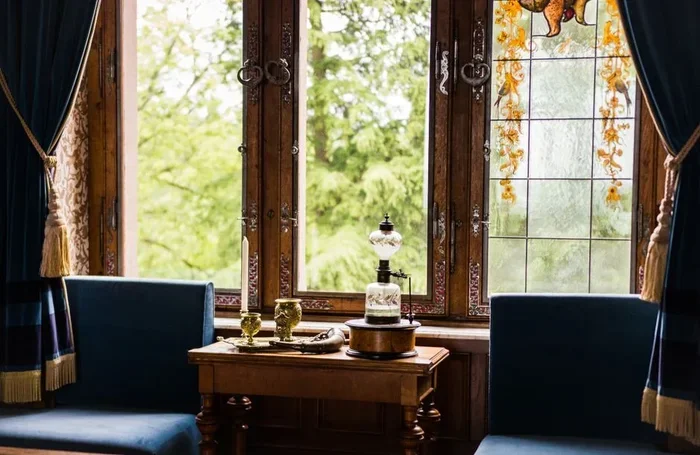
Formal Living Room Ideas That Will Transform Your Space
Formal living room ideas can completely change how your home feels and looks. Whether you want a classic traditional vibe or a modern elegant touch, the right choices in furniture, color, and layout make all the difference. This guide walks you through proven strategies to create a stunning formal living room that impresses guests and feels beautiful every day. You will learn about layouts, color palettes, furniture selection, lighting, and decor tricks that truly work.
Creating a formal living room is one of the most rewarding design projects you can take on at home. A formal space feels welcoming, polished, and put-together. It sets the tone for your entire household. When done right, a formal living room becomes the heart of your home where memories happen.
But where do you start? The truth is, designing a formal living room does not have to be overwhelming. You do not need a huge budget or a degree in interior design. With the right guidance, anyone can transform a plain room into an elegant retreat. This article covers everything you need to know, from layout and furniture to color and lighting.
Whether you are starting from scratch or refreshing an existing room, these formal living room ideas will help you achieve a refined, sophisticated look. Let us dive in and explore what makes a formal living room truly special.
Key Takeaways
- Start with a clear layout: A well-planned formal living room layout sets the foundation for an elegant and functional space.
- Choose classic furniture pieces: Sofas, armchairs, and coffee tables with refined lines create a timeless look.
- Use a balanced color palette: Neutral tones paired with accent colors add depth without overwhelming the room.
- Lighting makes a huge difference: Statement chandeliers and layered lighting elevate the formality of any room.
- Decorative accents tie everything together: Ornamental mirrors, drapery, and symmetry in design complete the formal aesthetic.
- Avoid common mistakes: Overcrowding, poor lighting, and mismatched styles can ruin an otherwise beautiful formal space.
📑 Table of Contents
- Why a Formal Living Room Matters
- Planning the Perfect Formal Living Room Layout
- Choosing the Right Furniture for a Formal Living Room
- Setting the Right Color Palette
- Lighting That Elevates Your Formal Living Room
- Decorative Accents That Complete the Look
- Common Mistakes to Avoid
- Comparing Formal vs. Casual Living Room Styles
- Final Thoughts on Formal Living Room Ideas
Why a Formal Living Room Matters
A formal living room serves a unique purpose in a home. It is the room where you host guests, celebrate occasions, and showcase your personal style. Unlike a casual family room, a formal space carries a sense of occasion and intention. Every detail matters, from the furniture placement to the smallest decorative object on the shelf.
Having a designated formal living room also adds value to your home. Buyers and appraisers look for formal spaces because they signal quality and thoughtfulness. A well-designed formal living room shows that the home has been cared for with attention to detail. It creates a first impression that lasts.
Beyond the practical benefits, a formal living room gives you a place to relax with grace. It is a room that invites calm and order. When everything is arranged with purpose, the entire atmosphere shifts. You feel more composed, more at ease, and more proud of your home.
Planning the Perfect Formal Living Room Layout
The layout is the backbone of any formal living room design. Before you buy a single piece of furniture, you need to plan how the room will flow. A good layout ensures that the space feels balanced, open, and easy to navigate. It also sets the stage for formal entertaining with guests.
Start with the Focal Point
Every formal living room needs a focal point. This is the first thing people see when they enter the room. Common focal points include a fireplace, a large window, or a statement piece of art. Once you identify your focal point, arrange the furniture to face it. This creates a natural gathering spot and gives the room a sense of purpose.
For example, if your room has a formal fireplace, place the sofa directly in front of it. Add two armchairs on either side to create a conversational grouping. A coffee table in the center completes the setup. This arrangement works beautifully for formal entertaining because everyone can see and talk to each other easily.
Create Zones Within the Room
Even in a single room, you can create distinct zones. A seating zone, a reading corner, and a display area each serve a different function. Use rugs, lighting, or furniture placement to define these zones. This technique adds visual interest and makes the room feel larger than it actually is.
Think about how you use the room most often. Do you host formal dinners? Do you need a quiet reading nook? Plan your zones around your actual lifestyle. A formal living room layout should work for you, not just look good in a magazine.
Keep Walkways Clear
One of the biggest mistakes people make is crowding the furniture. In a formal living room, you need clear walkways between pieces. Leave at least 30 inches of space for traffic flow. This makes the room feel open and airy, which is essential for a formal aesthetic.
Walk around the room and imagine carrying a tray of drinks. Can you move freely without bumping into anything? If not, adjust the furniture placement. A well-planned layout feels effortless and graceful, which is the hallmark of true formality.
Choosing the Right Furniture for a Formal Living Room
Furniture selection is one of the most important decisions in any living room design. For a formal space, you want pieces that feel refined, structured, and timeless. Avoid overly casual furniture like low-slung sectionals or bean bags. Instead, focus on pieces that convey elegance and permanence.
Sofas and Armchairs
The sofa is the centerpiece of most formal living rooms. Look for a formal sofa with clean lines, rolled arms, and a tailored silhouette. Neutral colors like cream, beige, charcoal, or navy work best as a base. These shades are versatile and easy to pair with different decor styles.
Armchairs should complement the sofa without matching it exactly. A slight contrast in fabric or color adds visual interest while maintaining harmony. Consider pieces with wood or metal legs for a polished look. Quality upholstery matters a lot here. Choose durable fabrics that still feel luxurious to the touch.
Coffee Tables and Side Tables
A coffee table anchors the seating area and provides a surface for drinks, books, and decorative objects. For a formal look, choose a table with a glossy finish or elegant wood grain. Glass tables work well in smaller rooms because they do not visually block the floor. Wooden tables add warmth and gravitas to larger spaces.
Side tables are just as important. Place them next to each armchair so guests have a convenient surface. Matching side tables create a sense of order and symmetry, which is central to formal design. Look for tables with decorative details like marble tops or brass accents.
Storage and Display Pieces
Formal living rooms often include display cabinets, bookcases, or buffets. These pieces serve both a practical and decorative purpose. Use them to showcase fine china, books, or collectibles. A well-styled display cabinet adds character and depth to the room.
When selecting storage pieces, choose designs with clean lines and quality craftsmanship. Avoid anything that looks flimsy or overly ornate. The goal is a refined look that feels curated, not cluttered. Every piece should earn its place in the room.
Setting the Right Color Palette
The living room color palette sets the mood for the entire space. Formal living rooms typically rely on a foundation of neutral tones. These colors create a calm, sophisticated backdrop that lets other elements shine. From there, you can introduce accent colors to add personality and depth.
Neutral Base Colors
Start with a neutral base for your walls and large furniture pieces. Soft whites, warm beiges, cool grays, and gentle creams all work beautifully. These colors are timeless and never go out of style. They also make the room feel brighter and more spacious.
If you love color, consider painting an accent wall in a deeper shade. A rich navy, deep forest green, or warm burgundy adds drama without overwhelming the space. Just keep the rest of the room balanced and let the accent wall do the talking.
Accent Colors and Patterns
Accent colors bring life to a formal living room. Use them in throw pillows, rugs, curtains, and decorative objects. Gold, silver, blush pink, and soft teal are all excellent choices for a formal setting. These colors feel luxurious without being too bold.
Patterns can add visual interest, but use them sparingly in a formal room. A subtle stripe on a throw pillow or a delicate floral on a curtain works well. Avoid large, busy patterns that compete for attention. The goal is elegance, not chaos. A restrained approach to patterns keeps the room feeling polished and intentional.
Lighting That Elevates Your Formal Living Room
Lighting is one of the most powerful tools in formal living room design. The right lighting creates ambiance, highlights key features, and makes the room feel warm and inviting. A poorly lit formal room, on the other hand, can feel cold and uninviting. Getting the lighting right is well worth the effort.
Statement Chandeliers
A statement chandelier is a classic choice for formal living rooms. It draws the eye upward and adds a sense of grandeur. Crystal chandeliers are especially popular because they catch the light beautifully and create a sparkling effect. Even in a modern formal room, a chandelier can add the perfect touch of elegance.
If a chandelier feels too dramatic for your space, consider a smaller pendant light or a semi-flush fixture. The key is to choose something that feels intentional and refined. The lighting fixture should complement the room’s style, not compete with it.
Layered Lighting
Professional designers always use layered lighting. This means combining three types of light: ambient, task, and accent. Ambient light comes from the ceiling fixture and provides overall illumination. Task light comes from table lamps or floor lamps and serves a specific purpose. Accent light highlights artwork, architectural details, or display pieces.
In a formal living room, table lamps on side tables are essential. They create a warm glow that makes the room feel intimate. Place one lamp on each side of the sofa for balanced lighting. Add a floor lamp in a corner to fill in any dark spots. This layered approach makes the room feel complete and well thought out.
Natural Light and Window Treatments
Do not forget about natural light. Large windows flood a formal living room with warmth and energy. However, you also need window treatments to control the light and add a decorative element. Sheer curtains soften the light and create an airy feel. Heavy drapes add drama and insulation for a more formal look.
For a truly formal window treatment, choose floor-length drapery in a rich fabric. Hang the rod a few inches above the window frame and extend it beyond the frame on each side. This trick makes the window look larger and the ceiling feel higher. It is a small change with a big impact on the overall formality of the room.
Decorative Accents That Complete the Look
The finishing touches are what turn a good formal living room into a great one. Decorative accents add personality, texture, and visual interest. They are the details that guests notice and remember. Getting these details right shows a level of care and sophistication that sets a formal space apart.
Symmetry in Design
Symmetry is a cornerstone of formal design. It creates a sense of order and balance that feels inherently elegant. Use symmetrical arrangements on your coffee table, mantel, and side tables. For example, place two matching candlesticks on the coffee table or two identical vases on the mantel.
You can also create symmetry with furniture placement. Matching armchairs on either side of the sofa is a classic formal arrangement. This approach feels deliberate and polished. It shows that every element in the room has been carefully considered.
Ornamental Mirrors and Artwork
An ornamental mirror is one of the most versatile decorative accents for a formal living room. It reflects light, makes the room feel larger, and adds a touch of glamour. Hang a large mirror above the fireplace or on a prominent wall for maximum impact. Gilded or framed mirrors work especially well in formal settings.
Artwork adds color, personality, and sophistication to the walls. Choose pieces that complement your color palette and match the room’s overall tone. A large painting above the sofa creates a dramatic focal point. A gallery wall of smaller pieces adds visual interest without feeling too formal. The key is to select artwork that you genuinely love and that fits the room’s style.
Rugs, Throw Pillows, and Textiles
Textiles add warmth, texture, and comfort to a formal living room. A quality rug under the coffee table defines the seating area and adds a layer of luxury. Choose a rug in a neutral tone or a subtle pattern that ties the furniture together. The rug should be large enough that all the front legs of the furniture sit on it.
Throw pillows and blankets add the finishing softness to the sofa and armchairs. Stick to a coordinated color scheme and avoid too many patterns. Two or three pillows per seat is usually enough for a formal look. Fold a blanket neatly over the arm of the sofa for a polished, put-together appearance.
Common Mistakes to Avoid
Even with the best intentions, it is easy to make mistakes when designing a formal living room. Being aware of common pitfalls helps you avoid them and achieve a better result from the start.
Overcrowding the Room
One of the most common mistakes is trying to fit too much furniture into the space. A formal living room needs breathing room. Every piece of furniture should have space to stand on its own. If the room feels cramped, remove a piece or two and reassess. Less is often more when it comes to formal design.
Ignoring Scale and Proportion
Furniture that is too small or too large for the room throws off the entire balance. A tiny sofa in a large room looks lost, while an oversized sofa in a small room feels suffocating. Measure your room carefully before purchasing any furniture. Choose pieces that are proportional to the space. This simple step makes a huge difference in the final result.
Neglecting the Details
Formal design is all about details. Forgetting small touches like coasters, decorative trays, or fresh flowers can make the room feel incomplete. These finishing elements are what give a formal living room its polished look. Take the time to style every surface with intention. A well-decorated mantel, a styled coffee table, and neatly arranged side tables elevate the entire room.
Comparing Formal vs. Casual Living Room Styles
Understanding the difference between formal and casual styles helps you make better design choices. Here is a quick comparison to clarify the key distinctions.
| Aspect | Formal Living Room | Casual Living Room |
|---|---|---|
| Furniture Style | Structured, tailored, classic lines | Relaxed, soft, oversized pieces |
| Color Palette | Neutrals with refined accents | Flexible, often brighter or bolder |
| Layout | Symmetrical, intentional arrangements | Flexible, conversational groupings |
| Lighting | Chandeliers, layered lighting | Floor lamps, table lamps, natural light |
| Decor | Ornamental mirrors, art, drapery | Casual textiles, family photos, plants |
| Overall Feel | Elegant, polished, put-together | Relaxed, comfortable, lived-in |
You do not have to choose one style exclusively. Many homes blend elements of both to create a look that feels formal but still comfortable. The key is to establish a clear foundation and then add personal touches that make the space feel like yours.
Final Thoughts on Formal Living Room Ideas
Designing a formal living room is a fulfilling project that adds beauty and value to your home. By focusing on layout, furniture, color, lighting, and decorative details, you can create a space that feels both elegant and livable. The ideas in this article give you a solid starting point, but the best formal living room ideas are the ones that reflect your personal taste and lifestyle.
Take your time with the process. Choose pieces that you love and that work together harmoniously. Pay attention to the small details because they make the biggest difference. A well-designed formal living room is a gift you give to yourself and to everyone who walks through your door.
Start with one change today. Maybe it is rearranging the furniture, adding a new throw pillow, or swapping out a light fixture. Small steps lead to big transformations. Your dream formal living room is closer than you think.
Frequently Asked Questions
What makes a living room feel formal?
A living room feels formal when it has a balanced layout, structured furniture, a refined color palette, and intentional decorative details. Symmetry in furniture arrangement and high-quality materials like wood, leather, and silk contribute to the formal atmosphere. Even the lighting plays a big role in setting the tone.
What colors work best for a formal living room?
Neutral tones like cream, beige, gray, and white form the best base for a formal living room. Accent colors such as navy, burgundy, gold, and soft teal add depth and richness. The key is to keep the palette cohesive and avoid too many competing colors in one space.
Do I need a large room for a formal living room?
No, you do not need a large room. A formal living room is about proportion, balance, and attention to detail, not square footage. Even a small room can feel formal with the right furniture scale, a clear layout, and thoughtful decor choices.
Can I mix formal and casual elements in the same room?
Yes, mixing formal and casual elements is a popular approach. The trick is to establish a formal foundation with structured furniture and a neutral palette, then add casual comfort through soft textiles, throw pillows, and personal accessories. This blend creates a room that feels both elegant and inviting.
What lighting is best for a formal living room?
A statement chandelier paired with layered lighting works best for a formal living room. Combine ambient light from the ceiling, task light from table lamps, and accent light to highlight artwork or architectural features. This approach creates a warm, sophisticated glow that enhances the room’s formality.
How do I style a formal coffee table?
Style a formal coffee table with a decorative tray, a few coordinated books, a small vase of fresh flowers, and matching candlesticks. Keep the arrangement symmetrical and uncluttered. The goal is to create a curated look that adds visual interest without overwhelming the surface.
=== CONCLUSION ===
Formal living room ideas give you the tools to create a space that is both beautiful and functional. From planning the layout and selecting the right furniture to choosing a refined color palette and adding the perfect decorative accents, every step matters. A well-designed formal living room reflects your taste, elevates your home, and welcomes guests with grace.
Start applying these tips today and watch your space transform. Remember that formality is not about perfection, it is about intention. Every piece you choose and every detail you attend to brings you closer to the elegant living room you have always wanted. Trust your instincts, enjoy the process, and let your formal living room shine.