Folding Doors for Living Room Ideas to Inspire Any Home
Folding doors for living room spaces offer a stylish way to open up your home and let in natural light. These versatile doors come in many styles, from glass panels to wood finishes, making them perfect for any decor. Whether you want to divide a large room or create a seamless flow between spaces, folding doors deliver both beauty and function. This guide covers design ideas, types, installation tips, and common mistakes to help you choose the best option for your home.
Folding doors for living room spaces have become one of the hottest trends in home design. They bring a fresh, modern feel to any room while solving real everyday problems. Maybe you want to open up a cramped space. Maybe you love the idea of natural light flooding your living area. Whatever your reason, folding doors deliver on both style and function.
These doors fold back completely, leaving your room wide open. They also fold neatly to the side, saving you precious floor space. That makes them a smart choice for apartments, townhouses, and larger homes alike. In this article, we will walk you through everything you need to know. You will learn about different types, design ideas, and practical tips to make the best choice for your home.
Key Takeaways
- Folding doors for living room spaces create an open, airy feel while still giving you the option to divide rooms when needed.
- Glass folding doors boost natural light and make small living rooms look bigger and brighter.
- There are many types to choose from, including accordion doors, bi-fold doors, and pocket-style folding doors.
- Proper installation and hardware matter a lot for smooth operation and long-lasting performance.
- Matching your folding doors to your existing decor ensures a cohesive and polished look throughout your home.
- Avoid common mistakes like measuring incorrectly or choosing the wrong material for your lifestyle needs.
📑 Table of Contents
- Why Folding Doors for Living Room Spaces Are So Popular
- Types of Folding Doors You Can Choose From
- How to Choose the Right Folding Doors for Your Living Room
- Installation Tips for Folding Doors in Living Rooms
- Folding Door Design Ideas for Every Living Room Style
- Common Mistakes to Avoid When Choosing Folding Doors
- Expert Insights on Folding Doors for Living Rooms
- How Folding Doors Boost Your Home’s Value
- Quick Tips for Maintaining Your Folding Doors
- Conclusion
Why Folding Doors for Living Room Spaces Are So Popular
Homeowners today want flexibility. They want rooms that can serve more than one purpose. A living room might double as a home office during the day and a cozy movie spot at night. Folding doors make that easy. You can open them up when you need space and close them when you want privacy.
Space-saving doors are a big reason for their popularity. Traditional swinging doors take up floor space when they open. That can be a problem in smaller living rooms. Folding doors solve this by stacking neatly to one side. They disappear almost completely when fully open.
Another reason is the visual impact. Glass folding doors create a seamless look between rooms. They make hallways, dining areas, and living spaces feel connected. This open concept living approach is something many homeowners actively seek out when redesigning their homes.
Natural light is a huge factor too. Solid walls block light from traveling through your home. Folding doors let sunlight pass from room to room. This can reduce your need for artificial lighting during the day. It also makes your living space feel warmer and more inviting.
Top Benefits at a Glance
- Maximize open floor space without losing the ability to close off rooms.
- Boost natural light throughout your home.
- Create a modern, open concept living feel.
- Improve airflow between connected rooms.
- Add visual appeal with stylish door designs.
- Increase home value with a desirable interior feature.
Types of Folding Doors You Can Choose From
Not all folding doors are the same. Different styles suit different needs and preferences. Let us explore the most popular options for living rooms.
Accordion Folding Doors
Accordion doors get their name from how they fold, much like an accordion instrument. They have multiple panels that stack and fold in a zigzag pattern. These doors are great for wide openings. They work well as room dividers and can be made from wood, glass, or composite materials.
One advantage of accordion-style folding doors is their smooth operation. They glide along a ceiling or floor track with ease. You can open them fully or partially, depending on how much space you want to reveal.
Bi-Fold Doors
Bi-fold doors are probably the most recognized type of folding door. They have two panels that fold in the middle and stack to one side. These doors are commonly used to connect a living room to a patio or porch. But they work beautifully indoors too, especially as a stylish way to separate a living room from a dining area.
Many bi-fold doors feature glass panels that let light pass through. You can choose single-pane glass or double-pane for extra insulation. Wood-framed bi-fold doors add warmth and texture to any interior design.
Pocket Folding Doors
Pocket doors slide into a wall cavity when opened. While not always traditional “folding” doors, some pocket-style doors fold before sliding into the pocket. These are perfect for smaller living rooms where you do not have extra wall space for doors to swing or stack.
They keep your floor area completely clear. They are also very quiet and easy to operate. Pocket doors work well in homes where every square foot matters.
French-Style Folding Doors
French folding doors bring a touch of elegance and classic charm. They typically feature glass panels with wooden frames and decorative details. These doors are perfect for homeowners who want a more refined look. They pair beautifully with traditional and transitional interior design styles.
How to Choose the Right Folding Doors for Your Living Room
Choosing the right folding doors for living room spaces comes down to a few key decisions. Let us break them down so you feel confident in your choice.
Consider Your Room Size
Measure your opening carefully before shopping. Wide openings need more panels. Tall openings benefit from floor-to-ceiling designs. Always account for the space the doors will take up when fully folded. You do not want them blocking furniture or walkways.
Think About Your Lifestyle
Do you have kids or pets? If so, durability matters. Look for sturdy materials and reliable door hardware. Glass doors need safety features like tempered or laminated glass. Wood doors need finishes that resist scratches and dents.
If you live in a noisy area, consider doors with thicker panels or added insulation. Soundproof folding doors can make a big difference in a busy household.
Match Your Interior Design Style
Your folding doors should complement your existing decor. Here is a quick guide:
- Modern homes: Choose sleek glass folding doors with slim metal frames.
- Traditional homes: Opt for wood-framed doors with classic panel details.
- Bohemian or eclectic styles: Try doors with unique patterns, colors, or mixed materials.
- Minimalist homes: Go for simple, clean-lined doors in neutral tones.
Set a Budget
Folding doors come in a wide price range. Basic models with composite materials cost less. Premium wood and glass doors cost more. Remember to factor in installation costs and any custom modifications you might need. Getting multiple quotes from contractors helps you find a fair price.
Check Local Building Codes
Some areas have rules about interior door types, fire ratings, and egress requirements. Check with your local building authority before making a final decision. This step is especially important if you are removing a wall or creating a new opening.
Installation Tips for Folding Doors in Living Rooms
Proper installation makes all the difference. A well-installed folding door operates smoothly and lasts for years. Here are some tips to keep in mind.
Hire a Professional or DIY?
Simple pocket-style doors can be a DIY project if you have basic carpentry skills. But most folding door systems require precise measurements and track installation. Hiring a professional ensures the job is done right the first time.
If you do choose DIY, follow the manufacturer’s instructions carefully. Use a level and measure twice before drilling any holes. A small mistake in alignment can cause the doors to stick or operate unevenly.
Choose the Right Track System
The track system is the backbone of any folding door setup. Ceiling-mounted tracks keep the floor clear and look clean. Floor-mounted tracks are more visible but can handle heavier doors. Top-mounted hardware is ideal for lightweight glass panels.
Make sure the track is anchored securely into studs or a solid surface. Loose tracks cause doors to sag and drag over time.
Allow for Proper Clearance
Folding doors need space to stack when fully open. Measure the stacking depth carefully. This is the space the folded panels will take up against the wall. Plan your furniture placement accordingly so nothing blocks the doors.
Test Before Finishing
Before you install trim, baseboards, or drywall around the door opening, test the doors fully. Open and close them multiple times. Check for smooth operation, proper alignment, and any rubbing or sticking. Fixing issues before the finish work is much easier.
Folding Door Design Ideas for Every Living Room Style
Now for the fun part. Let us look at some inspiring ways to use folding doors in your living room.
Create an Open-Concept Living and Dining Area
Use folding doors to separate your living room from your dining area. When guests are not over, open the doors fully to create one large, airy space. When you need privacy for a dinner party, close them to define each zone clearly.
This approach works especially well in open floor plan homes. It adds a layer of flexibility without building permanent walls.
Connect Your Living Room to a Sunroom or Patio
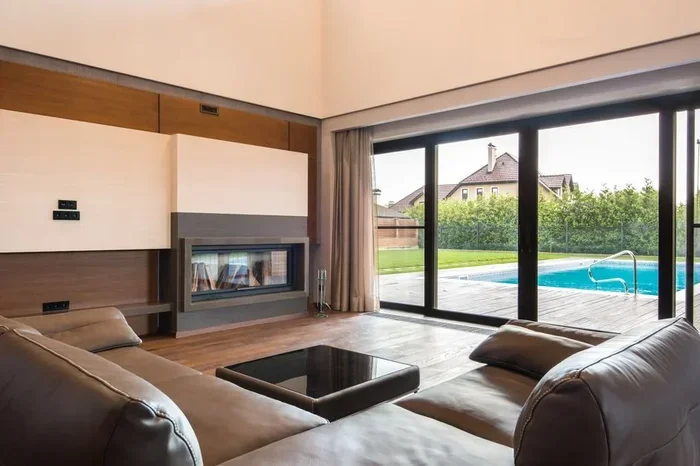
Glass bi-fold doors are perfect for connecting indoor and outdoor spaces. Imagine opening your doors on a warm day and letting your living room flow into your patio. This blurs the line between inside and outside and makes your home feel larger.
Choose doors with multi-point locking systems for security. Look for weather-sealed options if the doors lead to an outdoor area.
Use Folding Doors as a Stylish Room Divider
Not every living room needs to be one big open space. Sometimes you want to define areas within the same room. Folding doors act as elegant room dividers. They let you close off a home office nook or a kids’ play area without committing to a permanent wall.
Try using doors with frosted or textured glass for a softer look. This lets light through while maintaining privacy.
Go Bold with Color and Material
Do not be afraid to make a statement. Black-framed folding doors add drama and contrast against white walls. Painted wood doors can match or complement your accent furniture. Mixed-material doors combining wood and metal add visual interest and texture.
Add Built-In Shelving to Your Door System
Some folding door systems come with integrated shelving or cabinets. This is a smart way to add storage without taking up extra space. Built-in features also give your doors a custom, built-in look that elevates the entire room.
Common Mistakes to Avoid When Choosing Folding Doors
Even with the best intentions, mistakes happen. Here are some pitfalls to watch out for.
Skipping Accurate Measurements
This is the number one mistake homeowners make. Doors that are too big or too small will not work properly. Always measure the height, width, and depth of your opening. Account for the track system and stacking space too.
Ignoring the Door Track
The track is just as important as the door itself. A poor-quality track leads to sticking, jamming, and uneven panels. Invest in a sturdy, well-built track system from a reputable manufacturer.
Choosing the Wrong Material for Your Climate
Wood doors can warp in humid environments. Glass doors can crack in extreme cold if not tempered. Consider your local climate when choosing materials. Ask your supplier for recommendations based on your region.
Forgetting About Maintenance
Folding doors need regular care to keep them operating smoothly. Track systems collect dust and debris over time. Hinges and rollers wear out with use. Factor in maintenance time and cost when choosing your doors.
Overlooking the Stacking Space
Folding doors need wall space to stack against when fully open. If your furniture or decor blocks that wall, the doors cannot open fully. Plan your room layout with the doors in mind from the start.
Expert Insights on Folding Doors for Living Rooms
Interior designers and home renovation experts agree on a few key points about folding doors.
“Folding doors are one of the most versatile interior design elements available today,” says home design expert Sarah Mitchell. “They give homeowners the ability to change a room’s function in seconds. That kind of flexibility is priceless.”
Experts also recommend prioritizing hardware quality. “The door panels matter, but the track, hinges, and handles make or break the experience,” Mitchell adds. “Spend your money on good hardware and your doors will last for decades.”
Another pro tip from designers is to consider the door panels as a design element in themselves. “Your folding doors are always visible, even when closed,” says interior stylist James Cole. “Choose materials and finishes that you genuinely love.”
How Folding Doors Boost Your Home’s Value
Beyond aesthetics and function, folding doors can increase your home’s resale value. Homebuyers love open concept living and flexible spaces. Folding doors check both boxes.
They also signal a well-thought-out renovation. Buyers appreciate attention to detail and smart design choices. A beautifully installed folding door system can set your listing apart from others on the market.
According to real estate trends, homes with modern interior features like folding doors tend to sell faster. They appeal to a wide range of buyers, from young professionals to growing families.
Quick Tips for Maintaining Your Folding Doors
- Clean tracks monthly with a vacuum or soft brush to remove dust and debris.
- Lubricate hinges and rollers every six months with a silicone-based spray.
- Wipe glass panels with a streak-free cleaner to keep them crystal clear.
- Check hardware tightness every few months and tighten any loose screws.
- Inspect weatherstripping and replace it if it becomes worn or cracked.
- Avoid slamming the doors shut, which can damage panels and hardware over time.
Conclusion
Folding doors for living room spaces offer an incredible blend of style, function, and flexibility. They open up your home, let in natural light, and give you the freedom to reconfigure your space whenever you want. Whether you choose glass panels, wood finishes, or a mix of materials, there is a folding door solution that fits your needs and your design vision.
Take your time choosing the right type, material, and style. Measure carefully. Invest in quality hardware. And do not be afraid to make a bold design choice. The right folding doors can transform your living room and elevate your entire home.
Start exploring your options today. Visit showrooms, browse online galleries, and talk to professionals. You will be amazed at how much a simple change like folding doors can impact the way you live and enjoy your space.
Frequently Asked Questions
What are the best folding doors for small living rooms?
Pocket folding doors and glass bi-fold doors work best in small spaces. They save floor space and let light flow through the room. Choose slim frames and lightweight materials for the most open feel.
How much do folding doors for living rooms cost?
Prices vary widely based on material, size, and brand. Basic composite folding doors start around $500. Premium wood and glass systems can range from $2,000 to $5,000 or more. Installation costs add to the total.
Can I install folding doors myself?
Simple pocket-style doors can be a DIY project for handy homeowners. However, most folding door systems require professional installation for proper alignment and smooth operation. Always check the manufacturer’s guidelines before starting.
Are folding doors soundproof?
Standard folding doors are not fully soundproof. However, you can choose thicker panels, sealed edges, and insulated cores to reduce noise. Solid wood doors with weatherstripping offer the best sound-blocking performance.
What materials are folding doors made from?
Folding doors come in wood, glass, composite, aluminum, and vinyl. Each material has its own benefits. Wood offers warmth and classic appeal. Glass maximizes light and creates a modern look. Composites are durable and budget-friendly.
Do folding doors require a lot of maintenance?
Not really. Folding doors need basic upkeep like cleaning tracks and lubricating moving parts. Regular maintenance keeps them operating smoothly for many years. Quality hardware also reduces the need for frequent repairs.