Mid Century Living Room Furniture Ideas and Inspiration
Mid century living room furniture brings a perfect blend of retro charm and modern simplicity to any home. This style features clean lines, organic shapes, and iconic designs that have stood the test of time. Whether you are starting fresh or refreshing your current space, you will find plenty of ideas to create a warm, stylish living room. Let us explore the best furniture pieces, styling tips, and budget-friendly options for your mid century makeover.
There is something magical about mid century living room furniture. It has a warm, inviting feel that makes any space look effortlessly cool. The style emerged in the 1940s through the 1960s and still dominates living rooms around the world today. People love it because it balances form and function like no other era.
If you have been thinking about redecorating, this is the perfect time to explore what mid century modern furniture has to offer. From sleek sofas to statement coffee tables, the options are endless. In this guide, we will walk you through everything you need to know. You will learn about the best pieces, how to style them, and where to find them without breaking the bank.
Key Takeaways
- Timeless Design: Mid century living room furniture features clean lines and organic shapes that never go out of style.
- Versatile Styling: This aesthetic pairs well with modern, boho, and minimalist decor styles.
- Quality Materials: Real wood, especially teak and walnut, defines authentic mid century pieces.
- Budget-Friendly Options: You can achieve the look with vintage finds, reproductions, and smart shopping strategies.
- Iconic Brands Matter: Pieces from designers like Eames and Hans Wegner add real value and character.
- Less Is More: A curated collection beats clutter when it comes to mid century styling.
📑 Table of Contents
- What Makes Mid Century Living Room Furniture So Popular?
- Best Mid Century Living Room Furniture Pieces
- How to Style Your Mid Century Living Room
- Top Materials and Wood Types for Mid Century Furniture
- Mid Century Living Room Furniture on a Budget
- Common Mistakes to Avoid When Decorating Mid Century Style
- Expert Insights on Building a Mid Century Collection
- Key Takeaways
- Conclusion
What Makes Mid Century Living Room Furniture So Popular?
The mid century aesthetic continues to captivate homeowners and interior designers alike. But what exactly makes this style so enduring? Let us break it down.
A Brief History of Mid Century Design
The mid century modern movement started after World War II. Designers wanted to create furniture that was both beautiful and practical. They moved away from heavy, ornate styles and embraced simplicity. The result was furniture with clean lines, gentle curves, and a sense of optimism.
Countries like Denmark and Sweden played a huge role in shaping this movement. Scandinavian design principles of functionality and minimalism became the backbone of mid century furniture. This approach made pieces accessible to everyday people, not just the wealthy.
Why It Still Works Today
So why do we still love retro living room furniture from this era? First, the designs are timeless. They do not look dated. Instead, they feel fresh and current even decades later. Second, mid century pieces work beautifully with modern interiors. They add character without overwhelming a space.
Third, people crave authenticity. In a world full of mass-produced furniture, vintage furniture from the mid century era stands out. Each piece tells a story. It carries a sense of craftsmanship that you rarely find in today’s furniture stores.
Best Mid Century Living Room Furniture Pieces
Building a mid century living room starts with choosing the right furniture pieces. Here are the essentials every enthusiast should consider.
The Mid Century Sofa
The sofa is the centerpiece of any living room. Mid century sofas typically feature low profiles, slim arms, and tapered legs. Look for pieces with clean, uncluttered lines. Leather and velvet are popular upholstery choices.
A mid century sectional can also work well in larger spaces. Just make sure it maintains that signature streamlined look. Avoid overly padded or bulky designs. The beauty of this style lies in its simplicity.
Iconic Accent Chairs
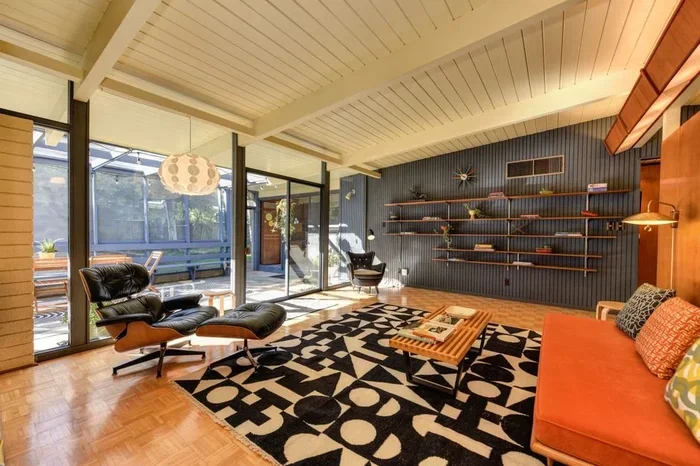
No mid century living room is complete without an iconic furniture accent chair. The Eames Lounge Chair remains the gold standard. Its molded plywood and leather construction is instantly recognizable.
Other notable designs include the Hans Wegner Wishbone Chair and the Tulip Chair by Eero Saarinen. These pieces serve as both functional seating and conversation starters. They bring instant midcentury aesthetic appeal to any corner of your room.
Coffee Tables and Side Tables
Mid century coffee tables often feature geometric shapes and organic shapes. Round tables with a single pedestal base are very popular. Walnut and teak are the go-to wood choices.
Side tables should complement the main pieces without competing for attention. Look for tables with hairpin legs or slim angled bases. These details make a big difference in achieving the authentic look.
Storage and Display Pieces
Bookshelves, credenzas, and media consoles in the mid century style combine storage with design. Danish design credenzas often feature clean horizontal lines and tapered legs. They provide ample storage while keeping the room looking polished.
Open shelving units allow you to display your favorite decor items. Keep the styling minimal. A few well-chosen objects look better than a crowded shelf. This approach aligns perfectly with the minimalist furniture philosophy of the era.
How to Style Your Mid Century Living Room
Having the right furniture is only half the battle. Living room decor and styling bring the whole look together. Here is how to make your mid century space shine.
Stick to a Neutral Color Palette
The mid century color palette relies heavily on earthy tones and neutrals. Think warm browns, olive greens, mustard yellows, and burnt orange. These colors complement the natural wood tones of authentic teak wood and walnut furniture.
Use bolder colors sparingly. A mustard throw pillow or a rust-colored rug can add a pop of personality. But keep the overall scheme balanced. Too many colors will distract from the furniture itself.
Layer Textures Thoughtfully
Texture adds depth to a retro living room. Combine smooth leather with chunky knit throws. Pair a sleek wooden coffee table with a textured wool rug. These contrasts create visual interest without cluttering the space.
Natural materials work best in this style. Wood, leather, metal, and woven fibers all belong in a well-designed mid century room. Avoid plastic and overly glossy finishes. They clash with the organic warmth of the era.
Accessorize with Intention
Accessories make or break a mid century room. Keep decorations minimal and meaningful. A single sculptural vase, a vintage clock, or a bold piece of wall art can anchor the space.
Avoid filling every surface with objects. The mid century philosophy embraces living room makeover principles of less is more. Let each piece breathe. Give your furniture room to be the star of the show.
Lighting Sets the Mood
Lighting plays a crucial role in mid century living room furniture styling. Pendant lights with sculptural shapes, such as the Sputnik chandelier, add instant authenticity. Floor lamps with tripod bases and arc lamps also work beautifully.
Mix ambient and task lighting for a layered effect. A warm floor lamp next to a reading chair creates a cozy nook. Overhead fixtures should complement, not overpower, the room’s aesthetic.
Top Materials and Wood Types for Mid Century Furniture
Understanding materials helps you identify quality mid century furniture. Not all pieces are created equal, and the wood tells the real story.
Teak Wood
Teak is the most iconic wood associated with mid century design. It has a rich golden-brown color and a smooth, tight grain. Teak wood furniture is incredibly durable and ages gracefully over time.
Many original mid century pieces were made from teak sourced from Southeast Asia. Today, sustainable teak options are widely available. Look for FSC-certified teak if you want an eco-friendly choice for your furniture collection.
Walnut Wood
Walnut offers a darker, more dramatic alternative to teak. Its deep chocolate tones add warmth and sophistication to any room. Walnut furniture often features more refined details and a polished finish.
Walnut is slightly softer than teak, which makes it easier to work with. This allowed designers to create more intricate shapes and curves. Both woods are excellent choices for a mid century modern furniture living room.
Other Notable Materials
Beyond wood, mid century designers experimented with innovative materials. Molded fiberglass, acrylic, and chrome were used to create sleek, futuristic pieces. These materials gave birth to some of the most recognizable furniture designs in history.
When shopping for reproductions, check the materials carefully. Authentic-looking pieces should use real wood and quality upholstery. Cheap materials will undermine the entire aesthetic of your room.
Mid Century Living Room Furniture on a Budget
You do not need a huge budget to bring the mid century look into your home. Smart shopping strategies can help you find great pieces at reasonable prices.
Thrift and Vintage Shopping
Estate sales, flea markets, and thrift stores are goldmines for vintage furniture. Visit these places regularly, because inventory changes constantly. Learn to spot authentic mid century marks and construction details.
Do not be afraid to refinish or reupholster a piece. A worn-out chair with great bones can become a stunning centerpiece with some effort. Sand down old wood, apply a fresh stain, and replace the cushions. The transformation can be incredible.
Reproduction Brands Worth Considering
If vintage hunting is not your thing, many brands offer high-quality mid century modern furniture reproductions. Companies like West Elm, Article, and Blu Dot create faithful recreations of classic designs.
These brands use modern manufacturing techniques to bring costs down. You get the look and feel of mid century furniture without the vintage price tag. Compare prices across different retailers before making a purchase.
Mix New and Old
The best living room decor often combines old and new pieces. Pair a vintage teak coffee table with a modern sofa. Add a new mid century-inspired side chair next to an original accent piece.
This approach keeps the room feeling fresh and personal. It also stretches your budget further. You do not need to replace every piece at once. Build your collection gradually over time.
Common Mistakes to Avoid When Decorating Mid Century Style
Even the best intentions can lead to decorating mistakes. Here are common pitfalls to watch out for when styling your mid century living room furniture.
Overcrowding the Room
One of the biggest mistakes is cramming too much furniture into a space. Mid century design thrives on open, airy layouts. Give each piece enough room to breathe. A crowded room destroys the clean, minimalist feel that makes this style so appealing.
Measure your room before buying anything. Sketch a floor plan and arrange furniture virtually first. This simple step saves money and prevents costly mistakes. Leave enough walking space between pieces for a comfortable flow.
Mixing Too Many Styles
While mid century furniture pairs well with other styles, too much mixing creates chaos. If you love boho decor, pick one or two boho elements and keep the rest mid century. A cluttered mix of styles makes the room feel disjointed.
Stick to a cohesive vision. Choose a primary style and let supporting elements complement it. Your room will look polished and intentional. Consistency is the secret to great interior design.
Ignoring Scale and Proportion
Furniture size matters more than people realize. An oversized sofa in a small room overwhelms the space. A tiny coffee table in a large room looks lost and disproportionate.
Choose furniture that fits the scale of your room. Low-profile pieces work well in rooms with higher ceilings. In smaller spaces, opt for slimmer designs with visible tapered legs. This creates an illusion of more floor space.
Skipping the Rug
A well-chosen rug ties the entire room together. It anchors the furniture and adds warmth underfoot. Many people skip this step and end up with a flat, unfinished look.
Choose a rug that complements your mid century color palette. Geometric patterns and muted tones work best. Make sure the rug is large enough to fit at least the front legs of your sofa and chairs.
Expert Insights on Building a Mid Century Collection
Interior designers who specialize in mid century modern decor share a few insider tips. These insights can elevate your room from good to exceptional.
Start with one anchor piece. A statement sofa or a iconic coffee table sets the tone for the entire room. Build around it gradually. This approach prevents overspending and keeps your vision focused.
Invest in quality over quantity. A single well-made mid century living room furniture piece lasts decades. It also holds its value better than cheap alternatives. When in doubt, choose craftsmanship over price.
Pay attention to proportions. The golden ratio applies to furniture arrangement too. A coffee table should be roughly two-thirds the length of your sofa. Side tables should sit at the same height as your armchairs. These small details make a big difference in how the room feels.
Key Takeaways
- Timeless Appeal: Mid century living room furniture combines retro charm with modern simplicity for a look that never fades.
- Quality Materials: Real teak, walnut, and leather define authentic pieces and ensure lasting durability.
- Clean Lines Rule: The signature tapered legs, organic shapes, and minimalist forms create an effortlessly stylish aesthetic.
- Styling Matters: Neutral palettes, layered textures, and intentional accessories complete the mid century look.
- Budget-Friendly Options Exist: Thrift stores, reproductions, and a mix of new and old pieces make the style accessible to everyone.
- Avoid Common Mistakes: Overcrowding, mixing too many styles, and ignoring scale can undermine your mid century vision.
Conclusion
Mid century living room furniture offers a timeless, stylish foundation for any home. Its clean lines, warm wood tones, and iconic designs create spaces that feel both inviting and sophisticated. Whether you are investing in original vintage pieces or choosing quality reproductions, the key is to stay true to the style’s core principles.
Start small if you need to. A single statement chair or a beautiful walnut coffee table can transform your entire living room. Build your collection thoughtfully, one piece at a time. The beauty of this design era is that it rewards patience and curation.
Remember that your living room should reflect your personality. Use these ideas as a guide, not a strict rulebook. Mix in your favorite colors, textures, and personal treasures. The result will be a space that feels uniquely yours while honoring the enduring elegance of mid century design.
Now is the perfect moment to start your mid century living room furniture journey. Whether you are planning a full living room makeover or simply adding a few accent pieces, the possibilities are endless. Trust your instincts, enjoy the process, and watch your space come to life with the warmth and character that only mid century style can deliver.
Frequently Asked Questions
What is mid century living room furniture?
Mid century living room furniture refers to pieces designed between the 1940s and 1960s. The style features clean lines, organic shapes, and a focus on functionality. It often uses real wood like teak and walnut, along with sleek silhouettes and tapered legs.
How can I tell if furniture is authentic mid century?
Look for solid wood construction, especially teak or walnut. Check for tapered legs, clean joinery, and minimal ornamentation. Authentic pieces often have manufacturer stamps or labels underneath. The overall feel should be lightweight and streamlined compared to heavier furniture from earlier eras.
Can I mix mid century furniture with modern decor?
Absolutely. Mid century modern furniture pairs beautifully with contemporary interiors. The clean lines and neutral tones of mid century pieces complement modern aesthetics. Just keep the rest of the room balanced and avoid clashing styles.
What colors work best with mid century furniture?
Earthy tones like olive green, mustard yellow, burnt orange, and warm brown work best. Neutrals such as cream, beige, and gray provide a calm backdrop. Add pops of color through pillows, rugs, and artwork rather than large furniture pieces.
Is mid century furniture expensive?
Prices vary widely. Original vintage pieces from famous designers can be quite costly. However, high-quality reproductions and thrift store finds offer the same look at a fraction of the price. Building a collection gradually is the most budget-friendly approach.
What wood is best for mid century furniture?
Teak and walnut are the most popular choices. Teak offers a warm golden tone and exceptional durability. Walnut provides a richer, darker finish that adds sophistication. Both woods age beautifully and are hallmarks of authentic mid century modern furniture.