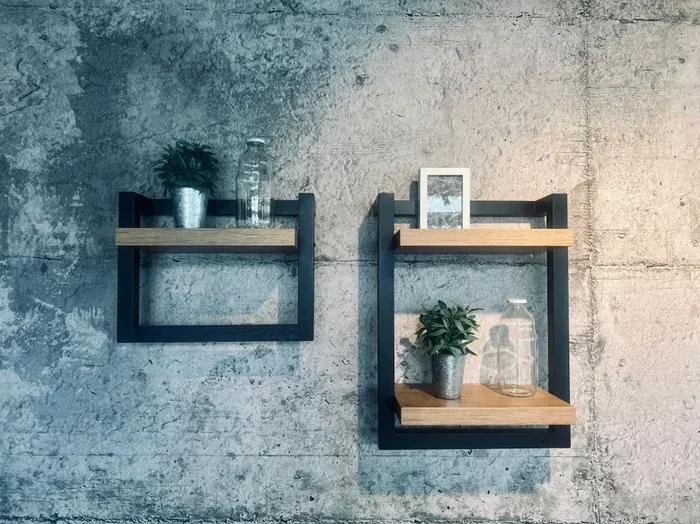
Industrial Wall Shelves for Living Room Inspiration
Industrial wall shelves for living room spaces bring rugged charm and practical storage together. They combine metal, wood, and raw textures to create a warm, inviting atmosphere. This guide covers everything from material choices to styling secrets. You will learn how to pick, install, and decorate shelves that truly stand out. Whether you love a rustic vibe or a sleek factory feel, there is something here for you.
Industrial wall shelves for living rooms have become one of the hottest trends in home decor. They bring a raw, unfinished look that feels both warm and edgy at the same time. Whether you live in a loft apartment or a suburban house, these shelves can transform your space. They offer a perfect mix of storage and style that few other furniture pieces can match. If you are redesigning your living room, industrial shelves deserve a serious look.
There is something about the combination of metal, wood, and exposed hardware that just feels right. It gives a room personality without feeling overdone. Many homeowners turn to industrial wall shelves because they are versatile and durable. You can use them to display art, store books, or hold everyday items. The best part is that they come in many shapes, sizes, and price ranges. Let us dive into everything you need to know about choosing and using industrial wall shelves for living room spaces.
Key Takeaways
- Industrial wall shelves add both storage and character to any living room with their raw, textured look.
- Metal, reclaimed wood, and pipe-style brackets are the most popular materials for this style.
- Styling with plants, books, and vintage decor brings life and personality to industrial shelves.
- Proper wall mounting and weight distribution are essential for safety and longevity.
- Mixing industrial shelves with other decor styles creates a unique, personalized living space.
- DIY pipe shelves and floating metal designs offer budget-friendly ways to achieve this look.
- Lighting and arrangement matter just as much as the shelves themselves for a polished finish.
📑 Table of Contents
- Why Industrial Wall Shelves Work So Well in Living Rooms
- Best Materials for Industrial Wall Shelves
- Styling Ideas for Industrial Wall Shelves
- How to Install Industrial Wall Shelves
- Common Mistakes to Avoid with Industrial Shelves
- Industrial vs. Modern Wall Shelves: Which Is Right for You?
- Budget-Friendly Ways to Get the Industrial Look
- Expert Tips for Making Industrial Shelves Look Professional
- Conclusion
Why Industrial Wall Shelves Work So Well in Living Rooms
Industrial design has roots in old factories and warehouses. Exposed brick, metal beams, and open floor plans defined that era. Today, people love that aesthetic because it feels authentic and grounded. Industrial wall shelves carry that same energy right into your home. They add visual interest without cluttering the room.
One of the biggest reasons these shelves work so well is balance. Living rooms often need both function and flair. Industrial shelves deliver both. They give you a place to store items while also serving as a design statement. The mix of textures like raw wood and brushed steel creates depth. Your walls suddenly feel more alive and dynamic.
Another reason is flexibility. You can go full industrial with exposed pipe brackets and dark metal frames. Or you can keep it subtle with simple floating shelves in a matte black finish. This range means almost anyone can pull off the look. It does not matter if your room is small or large. Industrial wall shelves for living rooms adapt to any space easily.
The Appeal of Raw and Natural Materials
People are drawn to materials that tell a story. Reclaimed wood, aged metal, and wrought iron all have history. When you bring these into your living room, you add warmth and texture. Industrial shelves highlight these materials beautifully. They make your walls feel like part of the design, not just a backdrop.
Natural materials also age well. A wooden shelf develops a patina over time. Metal may develop a slight rust or change in tone. These changes add character. That is something mass-produced plastic shelves simply cannot do. With industrial pieces, your decor actually gets better with age.
Best Materials for Industrial Wall Shelves
Choosing the right material is the first big decision. Each option gives a different look and feel. Some materials are better for certain budgets or skill levels. Here is a closer look at the most popular choices.
Metal and Steel Shelves
Metal shelves are the backbone of industrial design. Steel, iron, and aluminum are the top picks. They feel strong and sturdy. A thick steel shelf bracket can hold a lot of weight. This makes them great for heavy books or decorative objects.
Black matte steel is the most common finish. It blends with almost any color scheme. You can also find brushed steel or galvanized options. These add a slightly different shine without looking too shiny. Metal shelves pair well with wood for a classic industrial combo.
Reclaimed Wood Shelves
Reclaimed wood brings warmth to the industrial look. Old barn wood, salvaged planks, and driftwood all work well. Each piece has unique marks, knots, and grain patterns. No two reclaimed shelves look exactly the same. This makes your living room feel one-of-a-kind.
You can find reclaimed wood shelves at salvage yards or online marketplaces. Some people even build their own from old furniture or pallets. The cost can be lower than buying new. And the environmental benefit is a nice bonus. Reclaimed wood shelves pair beautifully with metal brackets for a true industrial feel.
Pipe and Pipe-Bracket Shelves
Pipe shelves are an iconic industrial design element. They use black iron pipes as the support structure. The pipes are visible and become part of the decor. This gives a very raw, warehouse-like appearance. Many DIY enthusiasts love building pipe shelves because the process is straightforward.
You can buy pipe fittings at most hardware stores. Black steel pipes and flanges come in standard sizes. You simply assemble them into a bracket shape and mount the wood shelf on top. The result looks expensive but costs very little. Pipe shelves are one of the most popular ways to create industrial wall shelves for living room spaces on a budget.
Wood and Metal Combinations
The best of both worlds is a shelf that combines wood and metal. A thick wood plank with sleek metal brackets looks stunning. The wood adds warmth, and the metal adds edge. This combination works in almost every living room style. It bridges the gap between rustic and modern perfectly.
You can buy pre-made combo shelves or build your own. The key is to balance the two materials. If the shelf is very rustic, keep the brackets simple and clean. If the brackets are ornate, choose a smoother wood finish. This contrast creates visual harmony and keeps the look polished.
Styling Ideas for Industrial Wall Shelves
Once your shelves are up, the fun part begins: styling them. How you arrange items on your shelves can make or break the look. A few smart tips can turn a basic shelf into a room focal point.
Start with a Focal Item
Every shelf grouping needs a centerpiece. This could be a large plant, a vintage lamp, or a piece of art. Place it in the middle or on the most visible shelf. Build the rest of the arrangement around it. This creates a natural flow and keeps the display from feeling scattered.
For industrial shelves, great focal items include old cameras, metal clocks, or leather-bound books. These items match the raw, textured vibe perfectly. They also give your shelves a story. Guests will notice them and start conversations.
Use Plants to Add Life
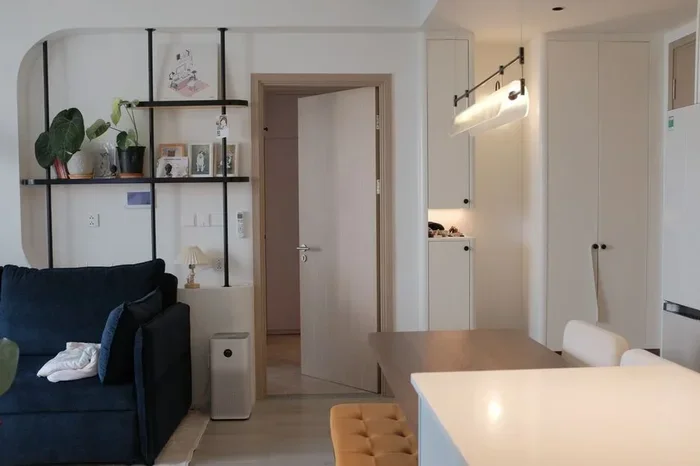
Plants are one of the best ways to soften an industrial look. The hard edges of metal and wood can feel cold without some greenery. A tall pothos or a cluster of succulents works wonders. They add color and freshness to the shelf.
Hang small pots from the shelf edges or place them directly on the surface. Trailing plants like string of pearls look beautiful on floating shelves. You can also use metallic planters to keep the industrial theme going. Plants make industrial wall shelves for living rooms feel welcoming and alive.
Mix Heights and Depths
A flat, even row of items looks boring. Instead, play with height and depth. Stack books vertically and horizontally. Place a tall object next to a short one. Layer items at different depths to create dimension. This trick makes your shelves look curated and intentional.
Try grouping items in odd numbers like three or five. This feels more natural to the eye. Leave some empty space too. Clutter defeats the purpose of industrial design, which thrives on simplicity. A few well-placed items speak louder than a crowded shelf.
Add Warm Lighting
Lighting can completely change the mood of your shelves. Small LED strip lights tucked under a shelf cast a warm glow. You can also use vintage-style Edison bulbs on a shelf bracket. The soft light highlights your displayed items beautifully. It also adds to the cozy, inviting feel of the room.
Battery-operated lights are the easiest to install. You do not need to wire anything. Simply stick them under the shelf or place them in a glass jar. The warm amber tone matches the industrial aesthetic perfectly.
How to Install Industrial Wall Shelves
Installing industrial wall shelves is easier than most people think. With the right tools and a little patience, you can do it yourself. Here is a step-by-step guide to help you get it right.
Step 1: Choose the Right Wall Location
Pick a wall that gets good eye contact when someone walks into the room. Above a sofa or a console table works great. Make sure the wall is strong enough to hold the weight. Avoid walls with hidden pipes or electrical wires. Use a stud finder to locate the solid framing behind the drywall.
Step 2: Gather Your Tools and Hardware
You will need a drill, screws, wall anchors, and a level. For heavier shelves, use lag bolts that go into the studs. For lighter shelves, heavy-duty wall anchors work fine. Make sure your brackets match the shelf material. Metal shelves need metal brackets, and wood shelves need sturdy wooden supports.
Step 3: Mark and Drill
Hold the bracket against the wall and mark the screw holes with a pencil. Use a level to make sure everything is straight. Drill pilot holes into the wall. Insert wall anchors if needed. Screw in the brackets firmly. Double-check the level one more time before moving on.
Step 4: Mount the Shelf and Test
Place the shelf on the brackets and secure it with screws. Give it a firm push to test the stability. Load it gradually with items, starting with lighter objects. Wait 24 hours before placing heavy items on it. This lets the hardware settle into the wall properly.
Quick Tips for Safe Installation
- Always use a stud finder to avoid hidden wires or pipes.
- Do not overload shelves beyond their weight capacity.
- Check brackets and screws every few months for looseness.
- Use a level to keep shelves straight and even.
- Consider the shelf depth based on what you plan to store.
Common Mistakes to Avoid with Industrial Shelves
Even with the best intentions, mistakes can happen. Knowing what to avoid saves time, money, and frustration.
Skipping Wall Anchors
Some people skip wall anchors and just screw into drywall. This is a big mistake. Drywall alone cannot hold weight for long. The shelf will eventually pull out and damage the wall. Always use proper anchors or screw into studs. This is especially important for industrial wall shelves for living rooms that hold heavy items like books or large decor pieces.
Choosing the Wrong Shelf Size
Oversized shelves can overwhelm a small room. Undersized shelves get lost in a large room. Measure your wall space carefully before buying or building. Leave enough breathing room around the shelves. The shelf should complement the room, not dominate it.
Ignoring the Room’s Color Palette
Industrial shelves look best when they tie into the room’s existing colors. A bright red shelf in a neutral room can feel jarring. Stick to colors that complement your walls, furniture, and floor. Black, brown, gray, and natural wood tones work best for the industrial look.
Overcrowding the Shelves
It is tempting to fill every inch of shelf space. Resist that urge. Industrial design values simplicity and negative space. Let the shelves breathe. A few well-chosen items look far better than a cluttered display. Less is more when it comes to this style.
Industrial vs. Modern Wall Shelves: Which Is Right for You?
Many people confuse industrial shelves with modern shelves. They share some similarities but have distinct differences. Understanding these helps you choose the right style for your home.
Industrial shelves lean toward raw, unfinished materials. Think exposed pipes, rough wood, and visible hardware. Modern shelves focus on clean lines and smooth surfaces. They often use glossy finishes and minimal ornamentation. Both styles work beautifully in living rooms, but they set a very different mood.
| Feature | Industrial Shelves | Modern Shelves |
|---|---|---|
| Materials | Metal, reclaimed wood, iron | Glass, laminate, smooth wood |
| Finish | Matte black, distressed, raw | Glossy, satin, neutral tones |
| Brackets | Visible pipe or angular metal | Hidden or minimalist brackets |
| Feel | Rugged, warm, textured | Clean, sleek, minimal |
| Best For | Lofts, eclectic spaces, character-rich rooms | Minimalist spaces, contemporary homes |
If your living room has warm tones and character, industrial shelves are a natural fit. If your room is bright and ultra-clean, modern shelves might work better. You can also mix elements of both for a transitional look. The beauty of industrial wall shelves for living rooms is that they pair well with many other styles.
Budget-Friendly Ways to Get the Industrial Look
You do not need to spend a fortune to get this look. Some of the best industrial shelves are the ones you build or upcycle yourself.
DIY Pipe Shelf Projects
Pipe shelves are one of the most affordable options. A set of pipes, flanges, and a reclaimed wood plank can cost under $50. You can find all the parts at any hardware store. There are countless video tutorials online to guide you through the build. This is a fun weekend project that adds serious style to your room.
Upcycling Old Shelves
Look around your home for old shelves you no longer use. A wooden ladder, an old window frame, or a set of crates can become a shelf. Sand them down, add a coat of dark stain, and mount them on the wall. The result looks intentional and stylish. Upcycling also gives your decor a personal touch that store-bought items cannot match.
Thrift Store Finds
Thrift stores are goldmines for industrial-style pieces. Old metal bookcases, vintage filing cabinets, and factory carts all work as shelf alternatives. The key is to look past the original purpose. With a little cleaning and creativity, these finds become stunning living room decor.
Expert Tips for Making Industrial Shelves Look Professional
Interior designers share a few tricks that make industrial shelves look polished and intentional. First, always use a consistent finish across all shelves in a grouping. Mixing too many materials can look chaotic. Stick to two or three materials maximum for a cohesive look.
Second, pay attention to spacing. Leave at least 12 inches between shelf groups if you are mounting multiple rows. This gives each shelf its own visual space. Third, use the rule of thirds when arranging items. Divide each shelf into thirds and place items at those dividing points. This creates a balanced and pleasing arrangement that looks effortless.
Finally, step back and evaluate your arrangement regularly. Rearrange items seasonally or when you get bored. Industrial design is about personality, so let your shelves evolve with you. The best industrial wall shelves for living rooms feel alive and personal, not static.
Conclusion
Industrial wall shelves for living rooms are more than just storage. They are a design statement that brings warmth, texture, and character into your home. Whether you choose metal pipes, reclaimed wood, or a mix of both, these shelves elevate any space. They are durable, versatile, and endlessly customizable. With the right styling and placement, they become the centerpiece of your living room.
Start with one or two shelves and build from there. Experiment with arrangements until you find what feels right. Do not be afraid to mix in personal touches that reflect your style. The beauty of industrial design is that it celebrates individuality. Your shelves should tell your story. So grab your tools, pick your materials, and start building the living room of your dreams today.
Frequently Asked Questions
What are the best materials for industrial wall shelves in a living room?
The best materials include reclaimed wood, black steel, iron pipe fittings, and combinations of metal and wood. These materials capture the authentic industrial look. They are also durable and easy to style with other decor items.
How do I style industrial wall shelves so they look good?
Start with a focal item like a large plant or vintage object. Mix heights and textures, and leave some empty space. Add warm lighting like LED strips or Edison bulbs. Keep the arrangement simple and intentional to match the industrial aesthetic.
Can I install industrial wall shelves myself without professional help?
Yes, most industrial shelves are designed for DIY installation. You need basic tools like a drill, level, and screws. Always locate wall studs and use proper anchors for safety. Follow the manufacturer’s instructions carefully for the best results.
What is the average cost of industrial wall shelves for a living room?
Pre-made industrial shelves range from $30 to $200 per shelf. DIY pipe shelves can cost as little as $20 to $50 in materials. Custom reclaimed wood shelves may run higher depending on the wood type and finish. Overall, this style is very budget-friendly compared to many other furniture options.
How do I make sure my industrial shelves are safely mounted?
Always use wall anchors or screw into studs for secure mounting. Check the weight capacity of both the shelf and the wall hardware. Do not overload shelves beyond their rated limit. Inspect screws and brackets every few months and tighten as needed.
Can industrial wall shelves work in small living rooms?
Absolutely. Floating metal shelves or narrow pipe brackets take up very little wall space. They add storage and style without making the room feel cramped. Choose shelves with clean lines and lighter colors to keep the space feeling open and airy.