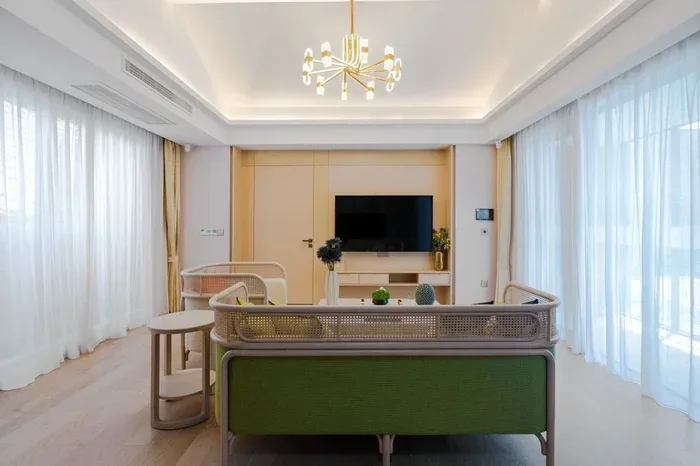
How to Choose Matching Living Room Furniture Like a Pro
Learning how to choose matching living room furniture is easier than you think. This guide covers style selection, color palettes, arrangement tips, and common mistakes to avoid. By the end, you will feel confident creating a matching living room furniture setup that looks professional and feels like home.
Choosing matching living room furniture can feel overwhelming, especially with so many styles and colors available today. But here is the good news. You do not need to be an interior designer to create a beautiful, coordinated space. With the right approach, you can pull off a matching living room furniture setup that looks expensive and curated without breaking the bank. In this guide, we will walk you through every step of the process, from picking a style to arranging your pieces like a professional.
Whether you are furnishing a brand new apartment or refreshing your current setup, matching living room furniture sets the foundation for your entire home aesthetic. The right combination of sofas, coffee tables, and accent chairs can transform a plain room into a warm and inviting retreat. Matching living room furniture is not about buying everything from one store. It is about creating harmony through color, texture, scale, and style. Let us dive in and explore how to do it right.
A well-designed living room feels intentional. Every piece of furniture has a purpose, and every color and texture works together. When you choose matching living room furniture thoughtfully, you create a space that reflects your personality and makes everyone feel comfortable. Below, we have broken down the process into simple, actionable steps that anyone can follow.
Key Takeaways
- Start with a furniture style: Choosing a style first makes every other decision easier for matching living room furniture.
- Use the 60-30-10 color rule: This simple formula keeps your color palette balanced and visually appealing.
- Measure your room before shopping: Proper scale and proportion make a huge difference in how your space looks and feels.
- Arrange around a focal point: This creates natural flow and makes the room feel intentional and designed.
- Avoid over-matching: Coordination is key, but too much uniformity can make a room feel flat and boring.
- Prioritize comfort: Beautiful furniture should also feel good to sit in and use every day.
- Layer accessories thoughtfully: Textiles, lighting, and decor tie your matching living room furniture together into a polished whole.
📑 Table of Contents
- Why Matching Living Room Furniture Matters
- How to Choose a Furniture Style for Your Living Room
- Picking the Right Color Palette for Your Furniture
- Arranging Your Furniture Like a Pro
- Common Mistakes to Avoid When Choosing Furniture
- Expert Insights on Coordinating Living Room Furniture
- Key Takeaways
- Conclusion
Why Matching Living Room Furniture Matters
You might wonder why it matters so much to match your living room furniture. The answer is simple. A coordinated space looks polished and put together. When your furniture pieces work as a team, the room feels balanced and harmonious. On the flip side, mismatched pieces can make a room feel chaotic and unfinished.
There are several reasons why matching living room furniture is important. First, it creates a sense of order. Your eyes naturally flow from one piece to the next without feeling jarred. Second, it makes the room look bigger and more organized. Third, it shows attention to detail, which adds value to your home. Whether you are living in the space now or planning to sell, a cohesive furniture arrangement matters.
Think about it this way. When you walk into a hotel lobby, everything looks effortless. The sofas, the tables, the chairs, the rugs, they all belong together. That is the power of matching living room furniture. You can achieve that same effortless look in your own home with a little planning and the right approach.
The Psychology of a Coordinated Space
Studies in interior design show that people feel more relaxed in rooms that look organized. When your matching living room furniture follows a clear theme, your brain processes the space as calm and safe. This is why hotels and home staging professionals always invest in coordinated furniture sets. They know it makes a lasting impression on guests and potential buyers alike.
A coordinated living room also reduces visual clutter. Instead of your eyes jumping from one random piece to another, everything feels connected. This sense of connection is what makes a room feel like a home. It is not just about aesthetics. It is about how the space makes you feel every single day.
How to Choose a Furniture Style for Your Living Room
Before you buy anything, you need to decide on a style. This is the most important step in choosing matching living room furniture. Without a clear direction, you risk mixing pieces that do not belong together. So take some time to explore different styles and find what resonates with you.
Popular Furniture Styles to Consider
There are many furniture styles to choose from. Here are some of the most popular ones for living rooms:
- Modern: Clean lines, neutral colors, and minimal ornamentation. Think sleek sofas and simple coffee tables.
- Traditional: Rich wood tones, ornate details, and classic silhouettes. This style feels warm and timeless.
- Mid-Century Modern: Retro-inspired shapes, tapered legs, and a mix of wood and metal. Very popular right now.
- Bohemian: Layered textures, earthy tones, and a relaxed, eclectic vibe. Great for creative personalities.
- Scandinavian: Light woods, soft whites, and functional design. It brings a cozy, hygge feel to any room.
- Farmhouse: Rustic wood, neutral fabrics, and a casual, welcoming atmosphere. Perfect for family homes.
Each of these styles has its own rules for matching living room furniture. Once you pick a style, everything else becomes easier. You will know what colors to choose, what materials to look for, and what shapes to prioritize.
Mixing Styles: When It Works
You do not have to stick to just one style. Many successful interiors mix two or more styles. The key is to have a unifying element. This could be a shared color palette, a consistent material like wood, or a matching matching living room furniture finish. For example, you might pair a modern sofa with a traditional coffee table, as long as both pieces share a warm wood tone.
The trick is to pick one dominant style and let the secondary style play a supporting role. This keeps things interesting without looking random. A good rule of thumb is the 80-20 rule. About 80 percent of your furniture should follow one style, and 20 percent can introduce a contrasting element.
Comparing Furniture Styles at a Glance
| Style | Best For | Key Materials | Color Range | Difficulty Level |
|---|---|---|---|---|
| Modern | Small to medium rooms | Metal, glass, leather | Neutrals, black, white | Easy |
| Traditional | Large, formal rooms | Dark wood, velvet | Rich browns, golds, creams | Medium |
| Mid-Century Modern | Medium rooms | Teak, walnut, brass | Olive, mustard, teal | Easy |
| Bohemian | Any size room | Rattan, linen, cotton | Earthy tones, jewel tones | Medium |
| Scandinavian | Small to medium rooms | Light wood, white fabric | Whites, grays, pastels | Easy |
This comparison table can help you narrow down your options. Once you identify a style that fits your space and personality, choosing matching living room furniture becomes a much simpler task.
Picking the Right Color Palette for Your Furniture
Color is one of the most powerful tools in interior design. It sets the mood of the room and ties all your pieces together. When selecting matching living room furniture, your color palette should be your first consideration.
Choosing a Dominant Color
Start by picking a dominant color for your largest furniture piece, usually the sofa. This color will anchor the room. Neutral tones like beige, gray, and white are safe choices that work with almost any style. They also give you flexibility to add colorful accent pieces later.
If you want something bolder, consider a deep navy, forest green, or rich burgundy for your sofa. These colors add personality and make a strong statement. Just make sure the rest of your matching living room furniture supports the dominant color without competing with it.
Pro tip: Hold fabric swatches or paint chips up against your walls and flooring. This helps you see how the color works in your specific space. Colors can look very different under warm versus cool lighting, so always check your pieces in the actual room if possible.
Using Accent Colors Effectively
Accent colors bring life and interest to a room. You can introduce them through throw pillows, area rugs, curtains, and decorative objects. A good rule of thumb is the 60-30-10 rule. Sixty percent of the room should be your dominant color, thirty percent a secondary color, and ten percent an accent color.
This simple formula works beautifully for matching living room furniture arrangements. It keeps the room balanced and visually appealing. You can always swap out accent colors with the seasons or whenever you want a fresh look without buying new furniture.
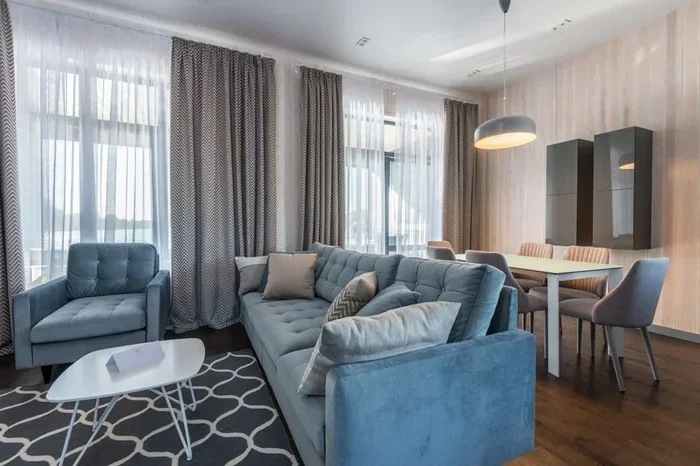
For example, a gray sofa (60%) paired with a navy armchair (30%) and mustard throw pillows (10%) creates a sophisticated and inviting look. The colors work together without any one piece fighting for attention.
Arranging Your Furniture Like a Pro
Even the best matching living room furniture will look off if the arrangement is wrong. Furniture arrangement is an art form, but it follows some basic principles that anyone can learn. Let us look at how to arrange your pieces for maximum impact.
Creating a Focal Point
Every great living room has a focal point. This could be a fireplace, a television, a large window, or a piece of artwork. Your furniture arrangement should revolve around this focal point. The sofa typically faces the focal point, with chairs angled toward it to create a conversational setup.
For matching living room furniture layouts, the focal point acts as the glue that holds the room together. It gives your eyes a place to rest and helps you decide where to place each piece. Without a clear focal point, even the most beautiful furniture can feel scattered.
The Importance of Traffic Flow
Never forget about traffic flow. You should be able to walk around the room comfortably without bumping into furniture. Leave at least 30 inches between furniture pieces for main walkways. This might feel like a lot of space, but it makes the room feel open and airy.
Good traffic flow is essential for any matching living room furniture arrangement. It affects how people move through the space and how comfortable they feel. A well-arranged room should feel easy to navigate, not cramped or awkward.
Scaling Furniture to Room Size
One of the most common mistakes people make is choosing furniture that is too large or too small for the room. Measure your space before you shop. A small apartment needs compact, streamlined pieces, while a large living room can handle oversized sofas and chunky coffee tables.
Room scale directly impacts how your matching living room furniture looks and feels. Oversized furniture in a small room creates clutter. Tiny furniture in a large room looks lost and insignificant. Find the right balance, and your room will feel just right.
Quick Tips for Furniture Arrangement
- Pull your sofa slightly away from the wall to create a more intimate feel.
- Use an area rug to define the seating area and anchor the furniture group.
- Place side tables within arm reach of every seat for convenience.
- Angle chairs slightly toward the sofa to encourage conversation.
- Leave space between the sofa and the coffee table for easy movement.
Common Mistakes to Avoid When Choosing Furniture
Even experienced homeowners make mistakes when selecting matching living room furniture. Here are some common pitfalls to watch out for.
Buying Without a Plan
One of the biggest mistakes is walking into a store without a clear plan. You end up buying pieces that look great individually but clash when placed together. Always start with a plan. Sketch your room, choose your style, and pick your color palette before you shop.
Take measurements and bring them with you. Use painter’s tape on the floor to map out where furniture will go. This simple exercise can save you from buying pieces that are too large or too small for the space.
Ignoring Scale and Proportion
As mentioned earlier, furniture size matters enormously. But it is not just about the room size. You also need to consider the proportion between pieces. A tiny side table next to a massive sofa looks unbalanced. Make sure each piece relates to the others in size and visual weight.
A good test is to step back and look at the room from the doorway. Does everything look proportional? Do the pieces feel like they belong together? If something feels off, trust your instinct and adjust.
Over-Matching
Here is a surprising one. Too much matching can actually hurt your design. If every single piece of matching living room furniture is identical in style and color, the room can feel sterile and boring. Aim for coordination, not perfection. Let some pieces have slight variations in shade or texture to add depth and interest.
The goal is to create a sense of belonging, not sameness. Think of it like a well-curated collection. Each piece has its own character, but they all belong to the same story.
Neglecting Comfort
Style means nothing if the furniture is not comfortable. Always test sofas and chairs before buying. Sit in them, lean back, and see how they feel. Your living room should be a place where you can relax and unwind, not just a showroom for beautiful pieces.
Pay attention to seat depth, arm height, and cushion firmness. These details affect how much you will actually use the furniture. Comfortable matching living room furniture is furniture that gets used every day and becomes the backdrop for your best memories.
Forgetting About Lighting
Lighting is often overlooked when people plan their furniture layout. But it plays a huge role in how your room feels. A well-lit room with layered lighting sources, including overhead lights, floor lamps, and table lamps, creates warmth and depth. Make sure your lighting plan complements your furniture choices.
Expert Insights on Coordinating Living Room Furniture
Interior designers agree on a few key principles when it comes to matching living room furniture. First, they always start with the rug. A rug defines the space and sets the tone for everything else. Second, they pay close attention to furniture legs and finishes. Consistent legs and hardware create a subtle but powerful sense of unity.
Another expert tip is to think in layers. Start with your largest pieces, then add medium pieces, and finally bring in small accessories. This layered approach gives the room depth and visual interest. It also makes it easier to adjust over time without starting from scratch.
Professional designers also recommend photographing your room before making changes. Looking at the photo with fresh eyes helps you see the space objectively. You might notice imbalances or gaps that you did not see in person. This simple trick can save you time and money.
Key Takeaways
- Start with a furniture style: Choosing a style first makes every other decision easier for matching living room furniture.
- Plan your color palette: Use the 60-30-10 rule to keep your color scheme balanced and visually appealing.
- Focus on scale: Measure your room and choose furniture that fits proportionally for the best results.
- Arrange around a focal point: This creates natural flow and makes the room feel intentional and designed.
- Avoid over-matching: Coordination is key, but too much uniformity can make a room feel flat and boring.
- Prioritize comfort: Beautiful furniture should also feel good to sit in and use every day.
- Layer accessories thoughtfully: Textiles, lighting, and decor tie your matching living room furniture together into a polished whole.
Conclusion
Choosing matching living room furniture does not have to be stressful. With a clear plan, a defined style, and a thoughtful color palette, you can create a living room that looks stunning and feels amazing. Remember that matching living room furniture is about coordination, not perfection. Let your personality shine through, and do not be afraid to experiment.
The most important thing is that your living room reflects who you are. It should be a place where you feel relaxed, inspired, and happy. Take your time, enjoy the process, and trust your instincts. When you get it right, the results are truly rewarding.
Start today. Measure your room, pick your style, and begin shopping with confidence. Your dream living room is closer than you think. Matching living room furniture is the foundation, and now you have all the tools to build something beautiful.
Frequently Asked Questions
Can I mix different furniture styles and still have matching living room furniture?
Yes, you absolutely can. The key is to have a unifying element, such as a shared color palette, consistent wood tone, or matching finish. Pick one dominant style and let a secondary style play a supporting role. This keeps things interesting without looking random or chaotic.
What is the best color for living room furniture?
Neutral tones like beige, gray, and white are the safest and most versatile choices for matching living room furniture. They work with almost any style and give you flexibility to change accent colors later. If you want something bolder, deep navy, forest green, or rich burgundy make strong statement pieces.
How do I know if my furniture is the right scale for my room?
Measure your room before shopping and leave at least 30 inches of space between furniture pieces for walkways. A good trick is to step back and look at the room from the doorway to check for balance. Oversized furniture in a small room creates clutter, while tiny furniture in a large room looks lost.
Should I buy a furniture set or mix individual pieces?
Furniture sets offer convenience and guaranteed coordination, which is great for beginners. However, mixing individual pieces allows for more personality and flexibility. If you choose to mix, make sure the pieces share at least one common element, such as color, material, or finish, to maintain a cohesive look.
How often should I update my living room furniture?
There is no set rule. Quality furniture can last 10 to 15 years or more with proper care. You can refresh the look more frequently by swapping out accessories like throw pillows, rugs, and curtains. These small changes give your matching living room furniture a new feel without a big investment.
What are the most durable materials for living room furniture?
Hardwoods like oak, walnut, and maple are incredibly durable and long-lasting. For upholstery, microfiber and leather are top choices for families and high-traffic areas. Performance fabrics are also a great option because they resist stains and wear while still looking stylish.