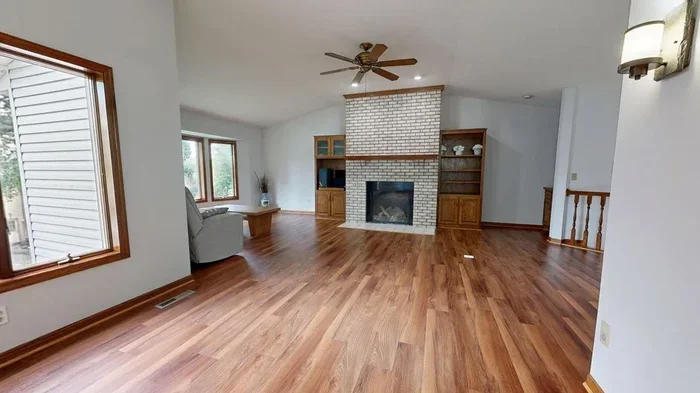
Stylish Living Room Without Sofa Ideas for Every Home
A living room without sofa can feel open, flexible, and uniquely you. This guide shares sofa alternatives like floor cushions, ottomans, and accent chairs to create a cozy seating area without the bulk. You’ll learn practical tips, common mistakes, and real makeover examples to transform any space.
Imagine walking into a living room without sofa and feeling instantly calm. The space breathes. Light flows freely. You can move from the coffee table to the reading nook without bumping into a bulky piece of furniture. A living room without sofa is not just a trend—it is a design choice that brings freedom and style into any home.
More people are discovering the joy of a sofa-free living room. Whether you live in a tiny apartment or a spacious house, ditching the sofa can change everything. You gain floor space, you unlock new layout possibilities, and you create a room that truly reflects your personality. This guide will walk you through the best seating alternatives, design tips, and real-life makeovers to help you pull it off.
Key Takeaways
- Multiple seating options exist: Floor cushions, ottomans, accent chairs, and bean bags offer comfort without a traditional sofa.
- Design flexibility increases: Removing the sofa opens up floor space and allows for creative room layouts.
- Functionality stays intact: With the right storage and multifunctional pieces, a sofa-free room remains practical.
- Common mistakes are easy to avoid: Poor traffic flow and lack of storage are the top pitfalls.
- Real makeovers prove it works: Small apartments, family rooms, and minimalist studios all thrive without a sofa.
📑 Table of Contents
Why Choose a Living Room Without Sofa?
A living room without sofa offers benefits that go beyond looks. It changes how you use your space every single day. Here are the top reasons to consider removing the sofa.
- Open floor plan feel: Without a large sofa blocking the center, the room looks and feels bigger. You can create an open floor plan that connects the living area to the dining or kitchen zone.
- Better traffic flow: You can move around easily. This is especially helpful in small apartments where every inch counts.
- Child and pet friendly: A sofa-free zone means fewer places for crumbs and fur to hide. Cleaning becomes simpler.
- Unique style statement: A living room without sofa lets you experiment with eclectic or modern design. You can mix textures, colors, and furniture pieces in ways a sofa would limit.
- Versatile seating options: You are not locked into one fixed piece. You can rearrange seating options whenever you want a new vibe.
When you remove the sofa, you invite more light into the room. The space feels airier and more welcoming. This simple change can make your home feel like a retreat.
Top Seating Alternatives for a Sofa-Free Living Room
Finding the right sofa alternative is the key to success. You want comfort, style, and enough seats for everyone. Below are the best seating options to consider.
Floor Cushions and Poufs
Floor cushions bring a relaxed, bohemian vibe to a living room without sofa. They are soft, portable, and perfect for casual lounging. You can pile them up in a corner for a cozy reading spot. Poufs serve the same purpose and often come with hidden storage inside.
Ottomans and Bench Seats
An ottoman is a classic sofa alternative. It provides a flat surface for resting your feet and can double as a coffee table when paired with a tray. Wooden bench seats work well along a wall and offer a sleek, modern look. Both options keep the room feeling uncluttered.
Accent Chairs and Loungers
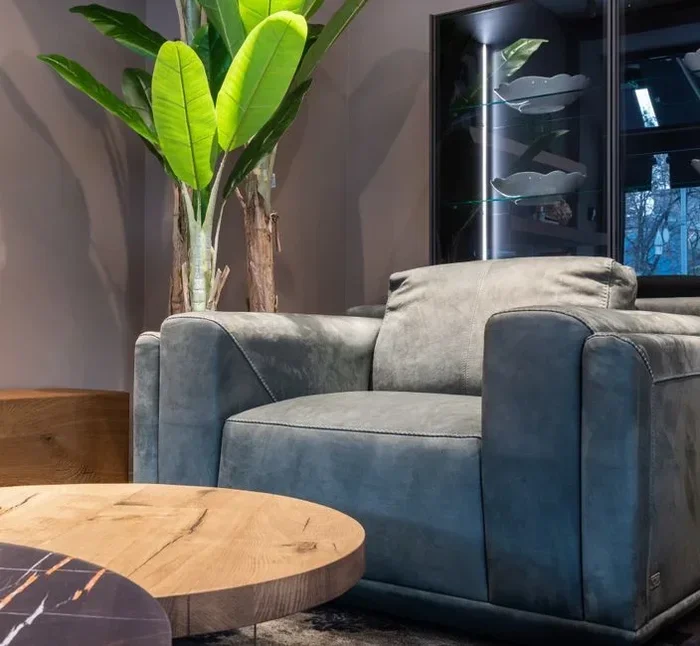
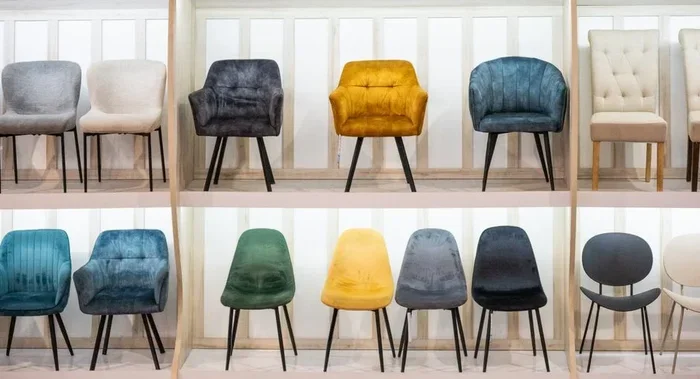
Two or three accent chairs can replace a sofa entirely. Choose chairs with deep seats for lounging. A lounger or a reclining armchair adds a touch of luxury. Arrange them facing each other to encourage conversation. This setup creates a cozy living room without the bulk of a sofa.
Bean Bags and Floor Pillows
For a playful, youthful energy, bean bags are hard to beat. They are perfect for a living room without sofa in a family home or a teen’s space. Floor pillows add the same comfort and can be tossed into a closet when not in use.
Modular Furniture and Sectional Pieces
If you still want a defined seating area, consider modular furniture. Individual seats that connect in different configurations give you the flexibility of a sectional without the fixed sofa shape. You can add or remove pieces as your needs change.
| Seating Option | Best For | Pros | Cons |
|---|---|---|---|
| Floor Cushions | Casual, bohemian look | Portable, affordable, soft | Less back support, needs storage |
| Ottoman | Dual-purpose seating | Hidden storage, sleek design | Limited seating capacity |
| Accent Chairs | Defined seating zones | Comfortable, stylish, various styles | Can be pricey, takes floor space |
| Bean Bags | Kids, casual hangouts | Fun, lightweight, easy to move | Less formal, can flatten over time |
| Modular Units | Flexible layouts | Customizable, grows with needs | Higher cost, requires assembly |
Quick Tip: Mix two or three types of seating to add depth. Pair floor cushions with an ottoman and an accent chair for a layered, inviting look.
Designing a Cozy and Functional Space Without a Sofa
A living room without sofa can be just as comfortable and functional as one with a sofa. The secret lies in thoughtful design choices that prioritize both style and daily use.
Define Zones with Rugs and Lighting
Use area rugs to carve out distinct zones in your living room without sofa. A plush rug under the seating area signals where people should sit. Layered lighting—floor lamps, table lamps, and string lights—creates warmth and ambiance. Good lighting makes any seating area feel inviting.
Choose the Right Coffee Table Alternative
Without a sofa, you do not need a large coffee table. A small nesting table can be pulled out when needed and tucked away later. A wooden trunk or a set of crates also works as a surface and adds storage. Keep the floor clear to maintain that open, airy feel.
Smart Storage Solutions
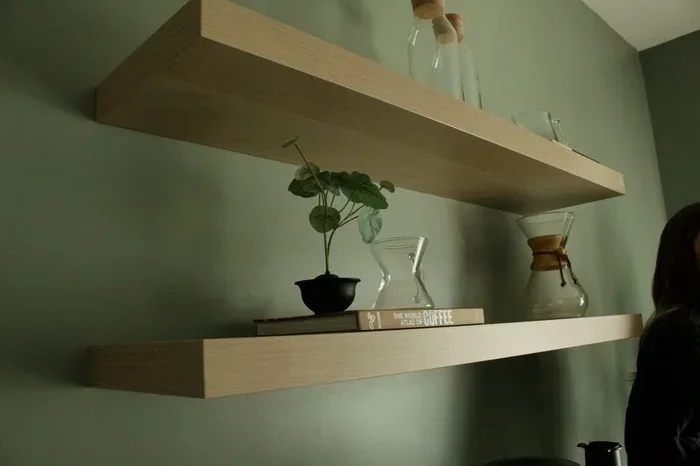
Storage is crucial in a sofa-free living room. Ottomans with internal storage hold blankets and pillows. Wall-mounted shelves keep books and decor off the floor. A stylish cabinet or sideboard can store media devices and extra cushions. When everything has a place, the room stays tidy and peaceful.
Color, Texture, and Pattern
A living room without sofa gives you a blank canvas. Use throw pillows, blankets, and curtains to introduce color and texture. Mix patterns like stripes, florals, and geometric prints for a dynamic look. A bold accent wall or a gallery of framed art draws the eye and ties the room together.
Expert Insight: Interior designers often suggest anchoring a sofa-free room with a statement piece—such as a large piece of art or a unique floor lamp. This gives the eye a focal point and makes the space feel intentional rather than empty.
Common Mistakes to Avoid When Removing the Sofa
Transitioning to a living room without sofa can be exciting, but certain pitfalls can make the space feel unfinished. Here are the most common mistakes and how to avoid them.
- Overlooking traffic flow: Do not push all the furniture against the walls. Leave enough space for walkways. A clear path makes the room feel larger and safer.
- Forgetting about storage: Without a sofa, you lose the storage space it often hides. Add storage ottomans or a sideboard to compensate.
- Clashing styles: Mixing too many different design styles can create visual chaos. Stick to a cohesive color palette and a few key pieces that work together.
- Neglecting seating comfort: Make sure every seat is comfortable for long conversations or movie nights. Test chairs before you buy them.
- Ignoring the room’s purpose: If the room is a family hub, choose durable, easy-to-clean materials. If it is a reading nook, prioritize soft textiles and good lighting.
Common Mistake: Using too many small pieces can make the room look cluttered. Balance is key. Pair a few larger items with smaller accents.
Real-Life Living Room Without Sofa Makeovers
Seeing real examples helps you picture what a living room without sofa can look like in your own home. Here are three inspiring makeovers that prove this design works for any space.
Small Apartment Transformation
A studio apartment in the city swapped its old sofa for two accent chairs and a large floor cushion. A slim ottoman served as a coffee table. The result? The room felt twice as big. The owners could now host yoga sessions in the morning and dinner parties at night.
Family-Friendly Room
A family with young children removed their bulky sofa and replaced it with a modular seating system and a bean bag corner. The open layout made it easier to supervise kids. Floor cushions became the favorite spot for story time. Storage bins underneath the bench kept toys organized.
Minimalist Studio
A minimalist enthusiast chose a single low-slung lounger and two wooden stools. A simple wool rug defined the seating area. The room stayed clean and serene, with plenty of negative space. The lack of a sofa reinforced the calm, uncluttered aesthetic.
Each of these makeovers started with the same question: “What if we tried a living room without sofa?” The answer transformed their spaces into places they truly love.
Final Thoughts on a Sofa-Free Living Room
A living room without sofa is more than a design choice—it is an invitation to live more flexibly. You gain space, you gain light, and you gain the freedom to reinvent your room whenever inspiration strikes. With the right seating alternatives, smart storage, and a dash of creativity, any room can thrive without a traditional sofa.
Start small. Try removing the sofa for a week and see how the space feels. Add a couple of floor cushions or an ottoman. Notice the difference in flow and mood. Once you experience the benefits, you may never go back. Embrace the open, stylish, and endlessly adaptable world of a living room without sofa. Your home will thank you.
Frequently Asked Questions
Is a living room without sofa suitable for small spaces?
Absolutely. Removing the sofa frees up valuable floor area, making small rooms feel larger and less cramped. You can use lightweight seating options that are easy to move and store when needed.
How do I keep a sofa-free living room warm and inviting?
Layer soft textiles like throw pillows, blankets, and rugs. Use warm lighting with floor lamps or string lights. A cozy living room relies on texture and ambiance, not just a large piece of furniture.
What is the best sofa alternative for a family with kids?
Modular seating and bean bags are excellent choices. They are durable, easy to clean, and can be rearranged quickly. Floor cushions also work well for playful, flexible spaces.
Can I still have a TV in a living room without sofa?
Yes. Mount the TV on the wall or place it on a slim media console. Use accent chairs or a lounger positioned at a comfortable viewing distance. The room layout can easily accommodate a screen without a sofa.
How do I define a seating area without a sofa?
Use an area rug to anchor the space. Arrange chairs and ottomans facing each other. Add a coffee table alternative like a nesting table or a trunk. These elements signal a cozy gathering spot.
What style works best for a living room without sofa?
Modern, minimalist, bohemian, and Scandinavian styles all shine in a living room without sofa. These aesthetics embrace open space, natural materials, and intentional furniture choices.