Elegant Formal Living Room Ideas To Inspire Your Home
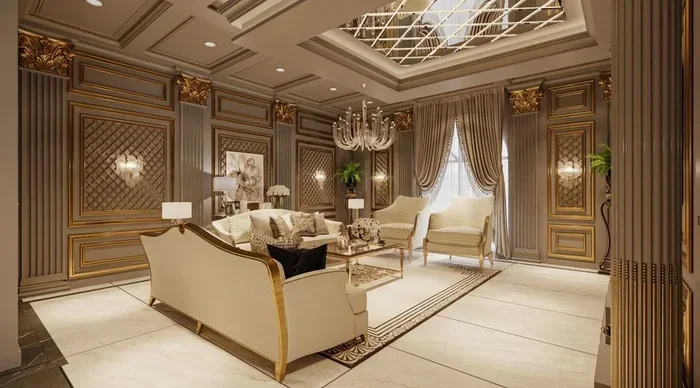
Elegant formal living room ideas can completely change how your home feels and looks. A well-designed formal living room combines luxury furniture, refined color palettes, and thoughtful accessories to create a space that is both beautiful and functional. Whether you are renovating or simply refreshing your current setup, these tips will guide you toward a sophisticated interior design that impresses every guest.
A formal living room is more than just a space to sit. It is the heart of your home, the place where you welcome guests, share stories, and make memories. When you walk into a room that feels put together, luxurious, and inviting, you just know it has been designed with care. That is exactly what elegant formal living room ideas can bring to your space.
Whether you are starting from scratch or simply looking to refresh your current setup, the right design choices can make all the difference. A well-planned formal living room does not have to feel stiff or unwelcoming. In fact, the best designs blend sophistication with comfort in a way that feels natural and effortless. This guide will walk you through everything you need to know, from choosing the right furniture to picking the perfect color palette.
You will learn how to create a luxury living room that reflects your personal style while staying true to classic design principles. We will cover furniture selection, lighting, accessories, and common pitfalls to avoid. By the end, you will have a clear roadmap to transform your space into something truly special.
Key Takeaways
- Choose statement furniture: Invest in elegant furniture pieces like a tufted sofa or marble coffee table to anchor your formal living room.
- Stick to a refined color palette: Neutral tones, muted golds, and deep jewel colors create a timeless and sophisticated atmosphere.
- Layer your lighting: Combine chandelier lighting, floor lamps, and candle accents for a warm and inviting glow.
- Accessorize with intention: Use decorative mirrors, ornamental accents, and designer curtains to add depth and personality.
- Avoid common mistakes: Overcrowding the room, ignoring scale, and skipping a focal point can ruin even the best formal lounge design.
- Focus on comfort too: A truly elegant space balances beauty with livability and everyday use.
📑 Table of Contents
- What Makes a Living Room Elegant and Formal
- Choosing the Right Furniture for Your Formal Living Room
- Color Schemes and Materials for a Sophisticated Look
- Lighting and Accessories That Elevate the Space
- Common Mistakes to Avoid When Designing a Formal Living Room
- Bringing It All Together: Creating Your Dream Formal Living Room
What Makes a Living Room Elegant and Formal
Defining Elegance in Interior Design
Elegance in interior design is about balance. It is not about filling a room with expensive items. It is about choosing pieces that work together in harmony. A sophisticated interior design relies on proportion, texture, color, and thoughtful placement. When these elements come together, the result feels polished and intentional.
Think about rooms you have seen in magazines or hotels. They often share a few common traits. The furniture is high quality but not overly ornate. The colors are calm and cohesive. The accessories are curated, not cluttered. That is the essence of an elegant formal living room. It feels expensive without trying too hard.
Key Elements of a Formal Living Room
Several elements define a formal living room. Understanding these will help you make better design decisions. Here are the building blocks of a refined space:
- A clear focal point: Every formal room needs a centerpiece. This could be a fireplace, a large window, or a statement piece of furniture.
- Symmetrical arrangements: Formal spaces often use balanced layouts. Matching chairs on either side of a fireplace or a coffee table create a sense of order.
- Quality materials: Wood, marble, brass, and glass signal luxury and durability.
- Restrained color schemes: A neutral color palette with occasional accent tones keeps the room feeling calm and elegant.
- Thoughtful lighting: Layered lighting from overhead fixtures, table lamps, and candles adds warmth and depth.
When you combine these elements, you create a classic living room that feels both grand and livable. The key is to let each piece breathe. Give your furniture room to shine by avoiding overcrowding.
Choosing the Right Furniture for Your Formal Living Room
Statement Pieces That Command Attention
The furniture you choose sets the tone for your entire formal lounge. In a formal setting, each piece should feel deliberate and well-selected. Start with your sofa. A tufted, upholstered sofa in a neutral tone like cream, gray, or navy instantly elevates the room. Look for pieces with clean lines and quality craftsmanship.
A marble coffee table is a timeless choice for an elegant living room. It adds a touch of luxury without being overly flashy. Pair it with a pair of accent chairs that match or complement the sofa. Armchairs with rolled backs or wingback designs work beautifully in formal settings.
Do not forget about side tables and consoles. A well-placed console table behind a sofa gives you a surface for decor items and helps ground the furniture arrangement. Choose tables with tapered legs or brass finishes for an extra touch of refinement.
Seating Arrangements for Formal Entertaining
How you arrange your furniture matters just as much as the pieces themselves. For formal entertaining, consider a layout that encourages conversation while maintaining a sense of structure.
- Facing arrangement: Place two facing sofas or a sofa and two chairs across from each other. This creates an intimate seating area perfect for conversation.
- L-shaped layouts: An L-shaped sectional can work in formal rooms if the pieces are elegant and the arrangement feels balanced.
- Symmetrical pairs: Matching chairs on either side of a central coffee table give a formal feel that is both orderly and inviting.
Leave enough space between furniture pieces for easy movement. A formal living room should feel open and airy, not cramped. Aim for at least 30 inches of walking space between pieces.
| Furniture Type | Best For | Recommended Material |
|---|---|---|
| Tufted Sofa | Anchor piece for the room | Velvet, linen, or leather |
| Wingback Chair | Accent seating with elegance | Upholstered fabric or leather |
| Marble Coffee Table | Center of the seating area | Marble top with brass or wood base |
| Console Table | Behind sofa or against wall | Wood with brass or marble accents |
| Accent Bench | Entryway or beside a fireplace | Upholstered or carved wood |
Color Schemes and Materials for a Sophisticated Look
Neutral Palettes That Never Fail
When it comes to living room decor, color sets the mood. For an elegant formal living room, neutral palettes remain the gold standard. Shades of cream, ivory, soft gray, and warm beige create a calm and timeless backdrop. These colors let your furniture and accessories take center stage.
You can add depth by layering different tones of the same color family. For example, pair a light gray sofa with charcoal throw pillows and a darker gray area rug. This creates visual interest without overwhelming the space. A neutral color palette also makes it easy to update accessories over time without redoing the entire room.
If you want to introduce a bolder touch, consider deep jewel tones like emerald green, sapphire blue, or burgundy. These work beautifully as accent colors in pillows, curtains, or artwork. Just keep the base neutral and let the bold tones serve as highlights.
Rich Fabrics and Luxurious Textures
Texture plays a huge role in making a room feel elegant. Smooth velvet, crisp linen, and soft wool each bring a different vibe to a formal living room. Velvet upholstery on accent chairs adds a plush, luxurious feel. Linen curtains give a relaxed yet refined look. Wool or silk area rugs anchor the seating area and add warmth underfoot.
Mixing textures is key to creating a layered, interesting space. Combine a leather coffee table with a velvet sofa and a woven jute rug. The contrast feels intentional and polished. Just remember to keep the overall palette cohesive. Too many competing textures can make a room feel chaotic instead of curated.
Rich fabrics like silk damask or brocade work well for throw pillows and upholstery in formal settings. These materials catch the light beautifully and add a sense of old-world charm. Pair them with simpler pieces so the fabric shines without competing for attention.
Lighting and Accessories That Elevate the Space
Chandelier Lighting and Layered Fixtures
Lighting can make or break the atmosphere of your formal lounge. A stunning chandelier lighting fixture hung over the seating area instantly raises the elegance level. Choose a chandelier that fits the scale of your room. A large crystal chandelier works well in bigger spaces, while a smaller pendant or semi-flush fixture suits cozier rooms.
But a single overhead light is not enough. The secret to beautiful lighting is layering. Combine three types of light sources:
- Ambient lighting: The chandelier or recessed ceiling lights that provide overall illumination.
- Task lighting: Table lamps or floor lamps placed near seating areas for reading and conversation.
- Accent lighting: Wall sconces, candlelight, or LED strips that highlight artwork or architectural details.
This layered approach creates depth and warmth. It also lets you adjust the mood depending on the time of day or the occasion. Dimmer switches are a simple addition that makes a big difference.
Decorative Accents and Ornamental Details
Accessories are what turn a nice room into a stunning one. The right ornamental accents add personality and character to your elegant formal living room ideas. But the golden rule is less is more. Choose a few high-quality pieces rather than filling every surface.
- Decorative mirrors: A large mirror above a fireplace or console table reflects light and makes the room feel bigger. Look for frames in brass, gold, or carved wood.
- Artwork: Choose one or two statement pieces rather than a gallery wall. Large abstract paintings or classic portraits work well in formal settings.
- Vases and bowls: A single sculptural vase on a console table or coffee table adds a refined touch without cluttering the space.
- Books and coasters: Stacked coffee table books in matching colors and elegant coasters show attention to detail.
Designer curtains also play an important role in a formal living room. Floor-length curtains in a lightweight fabric like linen or sheer silk add a sense of grandeur. Hang them a few inches above the window frame and extend them a few inches beyond the window width for a polished look.
Crown molding and other architectural details can elevate even a simple room. If your space has ceiling molding, paint it in a contrasting shade or a soft gold to draw the eye upward. This small detail adds a layer of sophistication that many people overlook.
Common Mistakes to Avoid When Designing a Formal Living Room
Overcrowding the Space
One of the most common mistakes is trying to fit too much furniture into the room. A formal living room needs breathing room. When every wall is covered and every surface is cluttered, the space loses its elegance. Start with fewer pieces and add more only if the room feels empty. A well-spaced arrangement looks far more luxurious than a packed one.
Ignoring Scale and Proportion
Furniture that is too small or too large for the room throws off the entire balance. A tiny loveseat in a large room looks lost, while an oversized sectional in a small space feels oppressive. Measure your room before shopping and choose furniture that fits the scale. Leave enough negative space for the room to feel open and airy.
Skipping a Focal Point
Without a clear focal point, a formal living room can feel aimless. The focal point draws the eye and gives the room a sense of purpose. A fireplace is a natural choice, but a large window with a view, a piece of art, or even a beautifully styled console table can serve the same role. Arrange your furniture to face or highlight this focal point.
Neglecting Comfort for Style
An elegant room should also be comfortable. Avoid choosing furniture that looks beautiful but is impossible to sit in for long. If you plan to host guests or spend quality time in the room, make sure the seating is supportive and inviting. Add plush throw pillows and soft blankets to blend style with coziness.
Bringing It All Together: Creating Your Dream Formal Living Room
Designing an elegant formal living room is a journey, not a single decision. Start by defining your style. Are you drawn to classic traditional looks, or do you prefer a more modern take on formality? Once you know your direction, choose a color palette, select your key furniture pieces, and layer in lighting and accessories one at a time.
Remember that a refined aesthetic does not require a massive budget. Some of the most beautiful formal living rooms are created with a mix of investment pieces and affordable finds. A thrifted mirror, a DIY paint job on crown molding, and a well-placed candle can transform a room just as effectively as expensive decor.
Take your time. Great design is not rushed. Live with your space for a while, and adjust as needed. The best formal living room is one that feels authentic to you and welcoming to everyone who enters. Trust your instincts, follow the principles outlined in this guide, and enjoy the process of creating a space you will love for years to come.
Start with one change today. Maybe it is swapping out your coffee table for a marble option, or hanging a beautiful mirror above your fireplace. Small steps lead to big transformations. Your elegant formal living room is waiting to come to life.
Frequently Asked Questions
What are the best color schemes for an elegant formal living room?
Neutral tones like cream, ivory, soft gray, and warm beige form the foundation of an elegant palette. You can add depth with accent colors like navy, emerald green, or burgundy in pillows, curtains, or artwork. Stick to a cohesive color story to maintain a refined and sophisticated look throughout the space.
How do I make a formal living room feel less stiff and more inviting?
Add soft textures like velvet throw pillows, woven blankets, and plush area rugs. Use warm lighting with dimmer switches and layer different light sources. Incorporate personal touches like family photos, books, and scented candles. These elements soften the formality and make the room feel lived-in and welcoming.
What type of furniture works best in a formal living room?
Quality upholstered sofas, wingback chairs, marble coffee tables, and carved wood consoles work best. Look for pieces with clean lines and solid construction. Tufted fabric and leather are popular choices. The key is to invest in pieces that are well-made and proportionate to the room size.
Do I need a chandelier for a formal living room?
A chandelier is a classic choice that adds instant elegance, but it is not required. If a chandelier does not fit your space or budget, consider a stylish pendant light, a pair of elegant table lamps, or a statement floor lamp. The goal is layered lighting that creates warmth and visual interest from multiple sources.
How can I add luxury to my living room on a budget?
Focus on small but impactful changes. Swap out throw pillows for velvet or silk versions, add a decorative mirror, introduce candlelight, and style your coffee table with curated objects. A fresh coat of paint in a sophisticated neutral tone and new curtains can also dramatically elevate the room without a large investment.
What is the difference between a formal and an informal living room?
A formal living room typically features symmetrical furniture arrangements, refined materials like marble and brass, and a more restrained color palette. An informal living room feels more relaxed with mixed furniture styles, casual textiles, and a cozy, everyday feel. Both can be elegant, but formal spaces lean toward structure and polish, while informal spaces prioritize comfort and ease.
=== CONCLUSION ===
Elegant formal living room ideas are all about creating a space that feels both beautiful and intentional. From choosing the right statement furniture to layering chandelier lighting and adding thoughtful accessories, every detail matters. A well-designed formal living room becomes more than just a room. It becomes a reflection of your taste, your style, and your home.
Start with the basics: a strong focal point, a refined color palette, quality furniture, and layered lighting. Then build on those foundations with ornamental accents, rich textures, and personal touches. Avoid common mistakes like overcrowding or skipping a focal point. And most importantly, make the space feel like yours.
The journey to an elegant formal living room does not happen overnight. But with patience, creativity, and the right guidance, you can create a living space that turns heads and welcomes everyone who walks through the door. Your dream formal living room is closer than you think.