Eggshell or Satin for Living Room Which Paint Finish Wins
Choosing between eggshell or satin for living room walls can transform your space. Eggshell offers a soft, subtle glow that hides wall flaws beautifully, while satin delivers a smooth, washable shine perfect for high-traffic areas. Both finishes have unique strengths, and the right choice depends on your lifestyle, lighting, and decor style.
You stand in the paint aisle, staring at rows of little paint chips. The words eggshell and satin stare back at you. What does it all mean? If you have been wondering about eggshell or satin for living room walls, you are not alone. This is one of the most common questions homeowners ask before a fresh coat of paint. The paint finish you choose changes everything. It affects how light bounces off your walls. It affects how easy cleanup is. It even affects how your whole room feels. Let us break this down in a way that actually makes sense.
Picking the right paint finish for your living room walls is more important than most people realize. A finish is not just about looks. It is about durability, maintenance, and how the space works for your daily life. Whether your living room decor leans modern or traditional, the sheen level plays a big role. In this guide, we will walk through every detail of eggshell versus satin. By the end, you will know exactly which one to grab off the shelf.
Key Takeaways
- Eggshell finish: A low-sheen option that resists stains better than matte and gives living room walls a warm, elegant look.
- Satin finish: A higher-sheen paint that is easy to clean and ideal for busy living rooms with kids or pets.
- Durability matters: Satin paint holds up better in high-traffic areas, while eggshell works well in low-use spaces.
- Lighting affects the look: Satin reflects more light, making rooms feel brighter, while eggshell creates a softer, muted appearance.
- Wall prep is key: Proper wall prep ensures any paint finish looks smooth and lasts longer.
- Test before committing: Paint a small swatch on your wall to see how each finish looks in your actual living room lighting.
📑 Table of Contents
- What Is Eggshell Paint Finish?
- What Is Satin Paint Finish?
- Eggshell vs Satin: Head-to-Head Comparison
- Which Finish Works Best in Different Living Room Settings?
- How to Choose the Right Paint Finish for Your Living Room
- Expert Tips for Applying Paint Finish in Living Rooms
- Common Mistakes People Make When Choosing a Paint Finish
- Key Takeaways for Your Paint Finish Decision
What Is Eggshell Paint Finish?
An eggshell finish gets its name from the soft, subtle glow of an eggshell surface. It is not shiny. It is not flat. It sits right in the middle of the paint sheen levels spectrum. Think of it as the Goldilocks option for interior paint in a living room.
The Look and Feel of Eggshell
Eggshell has a very gentle luster. When light hits an eggshell-finished wall, it bounces back softly. There is no mirror-like reflection. Instead, you get a warm, velvety appearance. This makes wall paint in eggshell look rich and polished without feeling overdone.
One of the biggest perks of eggshell is how it hides imperfections. If your wall prep was not perfect, eggshell does a great job of covering up small dents, patches, and uneven patches. It blends flaws in a way that a higher-sheen finish simply cannot do. This makes it a popular choice for older homes where walls are not always perfectly smooth.
Pros and Cons of Eggshell
- Pros: Hides wall imperfections well, gives a warm and elegant look, easier to touch up than higher-sheen finishes, and resists light staining better than flat paint.
- Cons: Not as washable as satin, can show marks if scrubbed too hard, and may not hold up as well in very high-traffic areas.
For most living room settings, eggshell strikes a great balance. It looks beautiful on walls and works well with almost any paint color palette. Whether your walls are a soft neutral or a bold statement hue, eggshell adds a touch of sophistication.
What Is Satin Paint Finish?
A satin finish has more sheen than eggshell. It creates a smooth, soft glow that catches the light in a noticeable way. If eggshell is a whisper, satin is a confident murmur. It is still not glossy, but it is clearly shinier.
The Look and Feel of Satin
Satin gives living room walls a polished, almost pearl-like appearance. The surface reflects light more directly, which can make a room feel brighter and more open. If your living room does not get a lot of natural light, a satin finish can help compensate by bouncing what light exists around the space.
The surface of satin paint feels smoother and more resilient. It has a slight rubbery quality to the touch compared to the softer feel of eggshell. This is because satin contains more binders and fewer pigments, which creates a denser, more protective film on the wall.
Pros and Cons of Satin
- Pros: Highly washable, very durable, resists scrubbing marks, reflects light beautifully, and handles moisture better than eggshell.
- Cons: Shows wall imperfections more clearly, can highlight brush or roller marks if not applied carefully, and may feel too shiny for some traditional decor styles.
Satin is a go-to for families with kids or pets. If your living room sees a lot of action, this finish can take a beating and still look good. It is also a smart pick for rooms near kitchens or bathrooms where moisture can be a concern.
Eggshell vs Satin: Head-to-Head Comparison
Let us get down to the real question. When you are choosing between eggshell or satin for living room walls, what actually matters? Here is a side-by-side look at how they stack up across the key factors.
| Feature | Eggshell | Satin |
|---|---|---|
| Sheen Level | Low to medium glow | Medium to high glow |
| Washability | Moderate | Excellent |
| Hides Wall Flaws | Very good | Fair |
| Durability | Good | Very good |
| Best For | Low-traffic, elegant rooms | High-traffic, family rooms |
| Light Reflection | Soft and subtle | Bright and reflective |
| Touch-Up Ease | Easier | Harder to blend |
| Price Range | Similar to satin | Similar to eggshell |
The finish comparison above shows that neither option is objectively better. Each one wins in different areas. Your job is to figure out which strengths matter most for your specific space. Think about how you actually use your living room on a daily basis. Do you spill coffee on the walls? Satin is your friend. Do you want a quiet, refined atmosphere? Eggshell is the way to go.
Which Finish Works Best in Different Living Room Settings?
The right paint selection depends heavily on your room’s purpose and environment. Let us look at a few common living room scenarios and see which finish comes out on top.
Family Rooms and Kid-Heavy Spaces
If your living room doubles as a play area or a space where kids and pets spend a lot of time, satin paint is the clear winner. It wipes clean with a damp cloth. Crayon marks, food splatters, and scuff marks come right off. You will thank yourself every time you clean a wall stain without stressing about damaging the finish.
Satin finish also holds up better against friction. Kids touching walls, furniture bumping against baseboards, and general daily wear all take a toll. Satin stands up to this better than eggshell, which can show wear marks over time if not carefully maintained.
Formal Living Rooms and Low-Traffic Spaces
If your living room is more of a sitting room that gets occasional use, eggshell shines in this setting. The soft, warm glow creates an elegant and inviting atmosphere. It pairs beautifully with traditional furniture, rich wood tones, and classic living room decor.
Because eggshell is less reflective, it also creates a cozy feel. It absorbs light just enough to make the room feel calm and relaxed. This is exactly what you want in a space designed for quiet evenings and quiet conversations.
Rooms with Bold or Dark Paint Colors
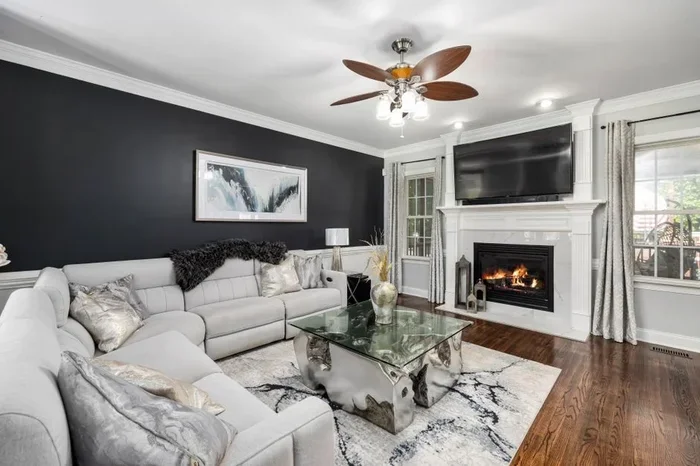
Here is a tip many people overlook. The paint sheen you choose can change how a dark or bold color looks on your walls. A satin finish on a deep navy or charcoal wall will make the color pop and feel more dramatic. The light reflection adds depth and dimension.
Eggshell on the same dark color will create a softer, more muted effect. The color will feel closer to the wall and less intense. Both approaches work. It just depends on the mood you want to create in your living room.
Rooms with Lots of Natural Light
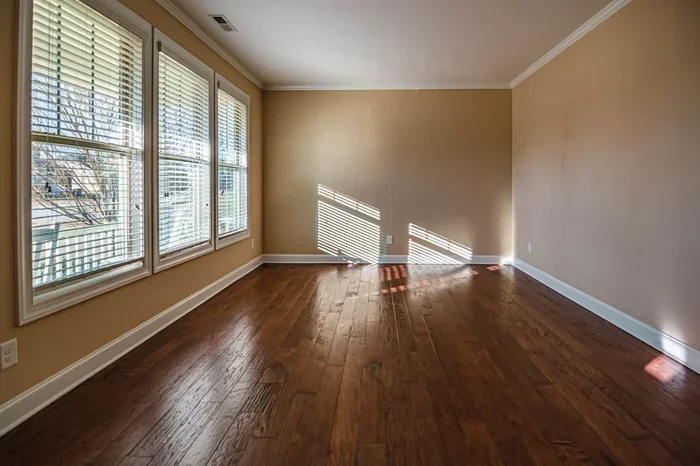
If your living room gets plenty of sunlight, be careful with satin. The extra shine can create glare, especially in the afternoon. Eggshell handles bright light more gracefully. It gives a gentle glow without bouncing light back into your eyes.
In rooms with less natural light, satin can be a lifesaver. Its reflective quality helps distribute whatever light is available, making the space feel more open and airy.
How to Choose the Right Paint Finish for Your Living Room
Still not sure which way to go? Here is a simple decision framework to help you pick the right paint finish for your living room walls.
- Assess your lifestyle. Do you have young kids or pets? Go satin. Do you keep a tidy, low-traffic home? Eggshell works great.
- Check your lighting. Bright room with lots of windows? Eggshell keeps things comfortable. Dim room? Satin brightens things up.
- Evaluate your wall condition. Walls with bumps and patches? Eggshell hides them. Smooth, well-prepped walls? Satin looks stunning.
- Consider your decor style. Traditional or cozy? Eggshell. Modern or sleek? Satin complements clean lines beautifully.
- Think about maintenance. If you want walls that are easy to wipe down, satin is the clear choice.
One of the best pieces of advice anyone can give is to test both finishes before committing. Buy a small sample of each paint finish and paint a 2-foot by 2-foot swatch on your wall. Let it dry fully. Then look at it in the morning light, afternoon light, and evening light. This one step can save you from a finish you regret.
Expert Tips for Applying Paint Finish in Living Rooms
No matter which finish you choose, how you apply it matters just as much as the product itself. Here are some expert-backed tips to get the best results.
Always start with proper wall prep. Clean your walls with a mild detergent to remove dust and grime. Fill any holes or cracks with spackle and sand smooth. A clean, smooth surface helps any wall paint adhere better and look more even.
Use a high-quality primer, especially if you are going from a dark color to a lighter one. Primer helps the topcoat go on smoother and look more consistent. It also reduces the number of coats you need, saving you time and effort.
When applying satin, use a high-quality roller with a smooth nap. Satin paint shows roller marks more than eggshell does. A quality roller gives you a smoother, more professional-looking result. For eggshell, you have a bit more forgiveness, but a good roller still makes a difference.
Keep your brush strokes and roller passes in the same direction. This creates a uniform texture and prevents the finish from looking patchy. Work in small sections and maintain a wet edge to avoid lap marks.
Allow proper drying time between coats. Most interior paint finishes need at least two to four hours between coats, but always check the manufacturer’s instructions on the can. Rushing the process can lead to peeling, bubbling, or an uneven appearance.
Common Mistakes People Make When Choosing a Paint Finish
Avoid these common pitfalls that can ruin your living room walls and force you to repaint sooner than you should.
- Skipping the test patch: Always test your finish in the actual room before committing to painting every wall.
- Ignoring lighting: A finish that looks perfect in the store can look completely different under your living room lighting.
- Choosing based on trends alone: Trends come and go. Pick a finish that works for your lifestyle, not just what looks popular right now.
- Not considering resale value: Neutral, well-chosen finishes appeal to more buyers if you ever sell your home.
- Using the wrong roller or brush: Cheap tools leave marks and streaks that show up more in higher-sheen finishes like satin.
These mistakes are easy to avoid. A little planning goes a long way toward a beautiful, lasting result on your living room walls.
Key Takeaways for Your Paint Finish Decision
The debate between eggshell or satin for living room walls comes down to your specific needs. Eggshell gives you a soft, elegant look that hides wall flaws and works beautifully in low-traffic or formal spaces. Satin gives you durability, washability, and a brighter, more reflective surface that thrives in busy family rooms.
Both finishes are excellent choices. Neither one is a wrong pick. The key is matching the finish to your lifestyle, your room’s lighting, and the look you want to achieve. Take your time, test your samples, and trust your instincts. The right paint finish will make your living room walls look stunning for years to come.
Now that you know the differences, you can walk into that paint store with confidence. Grab the finish that fits your space, prep your walls properly, and enjoy the transformation. Your living room is going to look amazing.
Frequently Asked Questions
Is eggshell or satin better for a living room with kids?
Satin is the better choice for a family living room. It is much more washable and can handle the scuffs, marks, and spills that come with kids and pets. Eggshell works, but it requires more gentle cleaning and may show wear faster in high-traffic areas.
Can I use eggshell paint in a high-traffic living room?
You can, but it will need more careful maintenance. Eggshell resists light stains and looks beautiful, but it is not as durable as satin. If your living room gets a lot of use, satin will hold up much better over time.
Does satin paint make a room look bigger?
Yes, it can. Satin reflects more light, which makes a room feel brighter and more open. This is especially helpful in smaller living rooms or spaces that do not get a lot of natural sunlight.
How do I clean painted walls with a satin finish?
Satin walls are easy to clean. Use a soft, damp cloth or sponge with mild soap. Gently wipe the surface to remove marks or dirt. Avoid abrasive scrubbers, as they can damage the finish over time.
What is the difference between eggshell and semi-gloss?
Eggshell has a very low, soft glow, while semi-gloss is noticeably shinier. Semi-gloss reflects light almost like a mirror, whereas eggshell gives a gentle, matte-like appearance. Semi-gloss is usually used in kitchens and bathrooms, while eggshell works well in living rooms.
Should I use the same finish on all my living room walls?
Using the same finish on all walls creates a cohesive, balanced look. However, you can use a higher-sheen finish on trim and doors for contrast. Just make sure the main wall finish stays consistent across the room for the best visual effect.
=== CONCLUSION ===
Choosing between eggshell or satin for living room walls does not have to be stressful. Both finishes bring real value to your space. Eggshell offers a warm, elegant feel that hides wall imperfections and creates a cozy atmosphere. Satin brings durability, easy cleaning, and a bright, reflective surface that stands up to daily life.
Now you have the knowledge to make the best decision for your home. Consider your lifestyle, your lighting, and your personal style. Test your samples, trust your eyes, and pick the finish that feels right. Your living room walls deserve a finish that looks great and lasts. With the right paint finish choice, you will love your space every single day.