Dark and Moody Living Room Ideas for a Dramatic Makeover
A dark and moody living room transforms your home into a sophisticated retreat full of depth and charm. You can achieve this look with deep colors, rich textures, and dramatic lighting. This guide covers every step, from wall colors to furniture choices and decor accents. Whether you want a subtle hint of moodiness or a full dramatic makeover, you will find practical tips here. Let us dive into the ideas that will make your living room feel cozy, elegant, and utterly inviting.
A dark and moody living room is not about making your space feel like a cave. It is about creating depth, warmth, and a sense of drama that makes your home feel truly special. When you think of dark and moody living room ideas, you might picture dimly lit rooms with deep jewel tones and plush furniture. But the truth is, this design style is much more flexible and accessible than most people think. You do not need a huge budget or a professional designer to pull it off. With the right color choices, lighting setup, and decor pieces, any living room can become a moody sanctuary that feels both elegant and cozy.
The dark and moody aesthetic has taken interior design by storm in recent years. Homeowners everywhere are swapping out bright, sterile rooms for spaces that feel rich, layered, and full of character. This style works beautifully in both modern and traditional homes. It adds a sense of sophistication and intimacy that lighter color schemes often struggle to achieve. If you have been searching for ways to refresh your living room without a complete renovation, this guide has everything you need.
## Why Choose a Dark and Moody Living Room?
There are many reasons to embrace the dark and moody look. It is not just a trend — it is a design philosophy that focuses on comfort and visual depth. A dark and moody living room feels intimate and welcoming in a way that bright rooms sometimes cannot match. The deep tones absorb light and create a cocoon-like atmosphere that invites relaxation.
Beyond the mood, dark color schemes also have practical benefits. They hide dust and imperfections better than light colors. They make bold furniture pieces and artwork stand out more effectively. And they give you endless room to play with contrast and texture. When you choose a dark and moody living room, you are choosing a space that feels intentional, curated, and full of personality.
### The Psychology of Dark Colors in Interior Design
Colors have a powerful effect on how we feel in a space. Dark tones like charcoal, deep blue, and forest green evoke feelings of calm and grounding. They slow the eye down and encourage you to linger in the room. This is why bedrooms and living rooms often benefit from deeper palettes. A dark and moody living room can actually reduce stress and promote a sense of peace.
At the same time, too much darkness can feel oppressive. That is why balance matters so much. You want enough dark elements to create the mood, but enough light and contrast to keep the space feeling alive. Think of it like a good cup of coffee — strong and bold, but balanced with just the right amount of warmth.
## Choosing the Right Color Palette
The foundation of any dark and moody living room is the color palette. You need to select shades that work together to create depth without overwhelming the space. A well-chosen palette sets the tone for everything else in the room.
### Best Dark Colors for Living Room Walls
Not all dark colors work the same way. Some feel warm and inviting, while others can feel cold and heavy. Here are the top wall color choices for a dark and moody living room:
- Charcoal gray — A versatile neutral that pairs well with almost any accent color.
- Navy blue — Adds a classic, timeless feel with a touch of sophistication.
- Deep forest green — Brings a natural, earthy energy that feels grounding.
- Burgundy or wine — Creates a rich, luxurious atmosphere perfect for fall and winter.
- Slate black — Bold and dramatic, best used on an accent wall rather than all four walls.
Start by painting one accent wall in your chosen dark shade. This gives you the moody impact without making the room feel closed in. You can always expand to more walls once you see how the space feels.
### Accent Colors That Complement Dark Tones
Your accent colors make or break the overall look. They add sparkle, contrast, and visual interest. For a dark and moody living room, consider these accent color options:
- Brass and gold — Warm metallic tones that add a touch of glamour.
- Cream and ivory — Soft neutrals that lighten the space without breaking the mood.
- Burnt orange and rust — Earthy warm tones that add cozy contrast.
- Dusty rose — A subtle pop of color that softens the drama.
- Emerald green — Pairs beautifully with dark blues and blacks for a rich, layered look.
The key is to use accent colors in small doses. A few throw pillows, a vase, or a piece of wall art can introduce these colors without competing with the dark base.
## Furniture and Layout for a Moody Feel
Furniture choice plays a huge role in how your dark and moody living room turns out. You want pieces that feel substantial, comfortable, and visually interesting. The wrong furniture can make a moody room feel cluttered or heavy.
### Best Furniture Styles for Dark Interiors
Not every furniture style suits a dark and moody living room. Some styles enhance the mood, while others fight against it. Here is a quick comparison:
| Style | Works Well? | Why |
|---|---|---|
| Mid-Century Modern | Yes | Clean lines and dark wood tones complement moody palettes perfectly. |
| Traditional/Classic | Yes | Rich wood and velvet furniture align with the dramatic aesthetic. |
| Minimalist | Somewhat | Works if you add texture and warmth through fabrics and decor. |
| Coastal/Bohemian | No | Light, airy styles clash with the dark and moody vibe. |
| Industrial | Yes | Raw metals and dark woods create a natural moody atmosphere. |
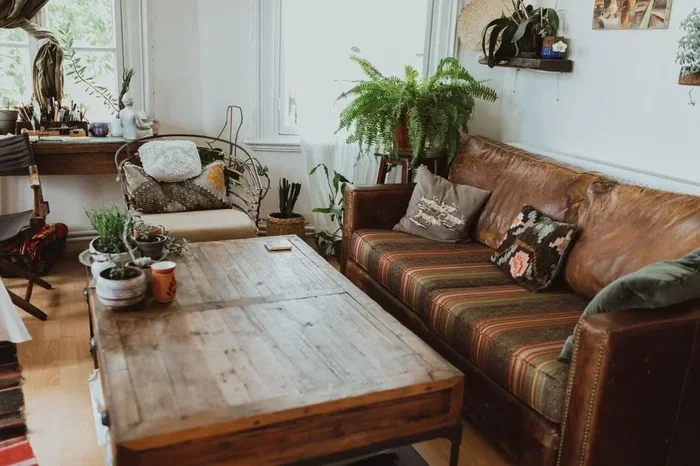
Choose furniture with solid, grounded shapes. Avoid pieces that look too lightweight or delicate. A deep leather sofa, a heavy wooden coffee table, or a velvet accent chair all work wonderfully.
### Arranging Your Furniture for Intimacy
How you place your furniture affects the mood of the room. For a dark and moody living room, you want to create conversation areas that feel close and inviting. Pull your sofa and chairs closer together than you normally would. This creates a cozy, enclosed feeling that suits the moody aesthetic.
Avoid pushing all furniture against the walls. Floating your seating arrangement in the center of the room adds depth and makes the space feel more intentional. Add a soft area rug to define the seating zone and anchor the dark palette.
## Lighting: The Secret to a Successful Dark Room
Lighting is the most important element in any dark and moody living room. Get this wrong, and the room will feel like a cave. Get it right, and it will feel like a luxurious retreat. The goal is to create layers of light that add warmth and dimension.
### Layered Lighting Setup
A layered lighting approach uses three types of light sources:
- Ambient lighting — The overall glow of the room. Use dimmable ceiling fixtures or recessed lights set to low brightness.
- Task lighting — Focused light for specific activities. A reading lamp beside your sofa or a desk lamp in a corner works well.
- Accent lighting — Highlights decor and architecture. Use wall sconces, LED strip lights, or a spotlight on your favorite piece of art.
Warm white bulbs are essential for a dark and moody living room. Cool white light will make the space feel harsh and unwelcoming. Stick to bulbs in the 2700K to 3000K range for the most flattering warmth.
### Using Natural Light Wisely
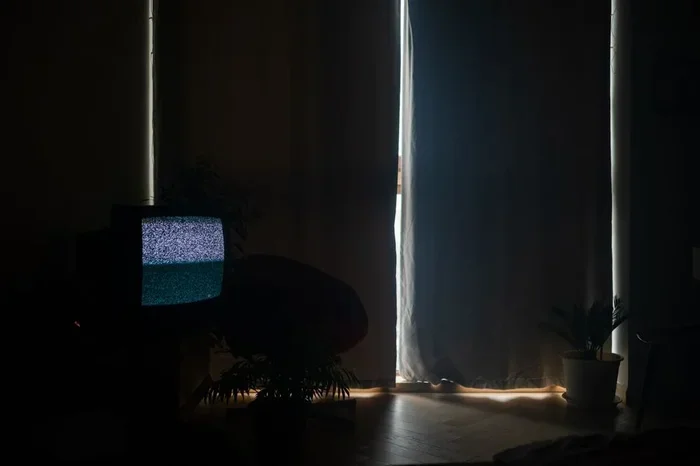
Even in a moody room, natural light has a role. You do not want to block all sunlight, but you do want to filter it. Sheer curtains or light linen drapes soften the incoming light and create a dreamy, ethereal quality. For a more dramatic effect, try room-darkening curtains in a deep color that matches your palette.
Place mirrors strategically to bounce whatever natural light you have around the room. This adds brightness without breaking the moody atmosphere. A large mirror opposite a window works like magic in a dark and moody living room.
## Decor and Accessories That Complete the Look
Decor is where you truly make the dark and moody living room your own. This is the layer that adds personality, texture, and visual richness. Without the right decor, a dark room can feel flat and unfinished.
### Textures and Materials to Embrace
Texture is your best friend in a moody living room. Different materials create visual depth and make the space feel layered and curated.
- Velvet — Soft, luxurious, and perfect for throw pillows and upholstery.
- Leather — Adds an edgy, grounded feel to dark interiors.
- Brass and gold metals — Reflect light beautifully and add a warm glow.
- Woven textiles — Rugs, baskets, and throws in natural fibers add warmth.
- Dark wood — Coffee tables, shelving, and side tables in walnut or ebony tie the room together.
Mix at least three different textures in the room. This creates the kind of visual complexity that makes people want to stay and explore the space.
### Art and Wall Decor
Your wall decor should complement the moody atmosphere without competing with it. Large-scale abstract art in dark tones works beautifully. Black and white photography adds a modern, gallery-like feel. You can also create a gallery wall with a mix of dark-framed prints and mirrors.
For something more personal, consider a large statement piece above the sofa. A single bold artwork makes a bigger impact than several small pieces in a dark and moody living room.
### Plants and Natural Elements
Adding greenery to a dark room might seem counterintuitive, but it works wonders. Plants bring life, color, and freshness into a moody space. Choose plants with dark or deep green leaves like monstera, fiddle leaf fig, or snake plant. The contrast between the lush green and the dark surroundings creates a stunning visual effect.
You can also incorporate natural elements like stone, driftwood, or dried flowers. These add an organic quality that softens the dramatic feel of the room.
## Common Mistakes to Avoid
Even with the best intentions, it is easy to make mistakes when designing a dark and moody living room. Here are the most common pitfalls:
- Using too much black — Black can feel heavy if overused. Mix it with other dark tones like charcoal and navy for a more nuanced look.
- Skipping warm lighting — Cool lighting in a dark room creates an unwelcoming, sterile feel. Always use warm bulbs.
- Neglecting contrast — Without lighter elements, the room can feel flat. Use cream, beige, or metallic accents to create visual contrast.
- Overcrowding the space — Dark rooms already feel smaller. Keep furniture arrangements open and avoid clutter.
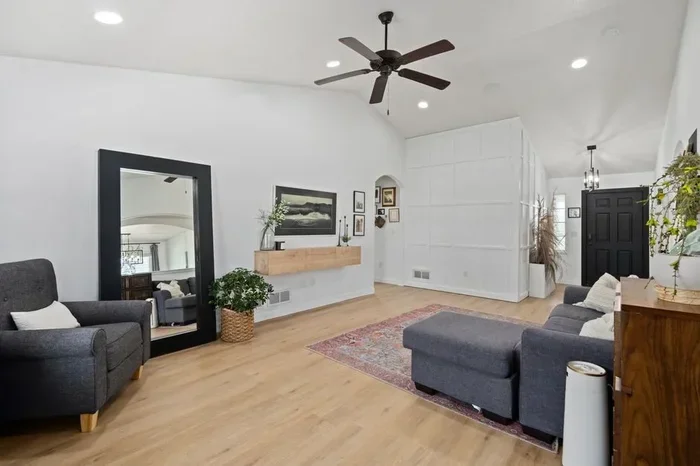
- Forgetting about flooring — Dark floors can make the room feel like a bottomless pit. Consider lighter rugs or a lighter wood tone to ground the space.
Before you commit to any major changes, step back and look at the room as a whole. Does it feel balanced? Does it feel inviting? These simple checks can save you from costly mistakes.
## Expert Tips for a Polished Dark Room
Interior designers who specialize in moody interiors share a few pro tips that can elevate your dark and moody living room from good to stunning.
First, always test your paint colors in the actual room. Dark colors look very different on a small swatch compared to an entire wall. Paint a large patch and observe it at different times of day. The way light interacts with dark paint changes dramatically from morning to evening.
Second, invest in quality fabrics. In a dark room, every texture is magnified. Cheap fabrics look cheap, while luxurious materials like velvet and heavyweight linen add an instant sense of refinement.
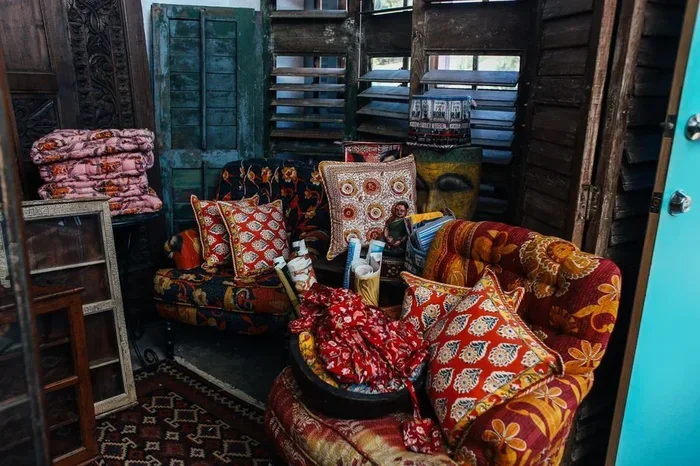
Third, do not be afraid of pattern. A dark and moody living room benefits from subtle patterns in textiles, wallpaper, or decor. Plaid, geometric, and organic patterns add visual interest without disrupting the mood.
Finally, remember that a dark and moody living room is a living space, not a museum. Make it comfortable. Add soft blankets, cozy cushions, and personal items that make you smile. The best moody rooms feel curated but still lived-in.
## Bringing It All Together
Creating a dark and moody living room is one of the most rewarding design projects you can take on. It transforms an ordinary space into something dramatic, sophisticated, and deeply personal. The key is to build the room in layers — starting with color, adding furniture, layering light, and finishing with thoughtful decor choices.
Take your time with the process. You do not need to do everything at once. Start with an accent wall and a few key pieces of furniture. Add lighting and decor gradually. As you build the room, you will develop a feel for what works and what does not. Trust your instincts and enjoy the journey.
The beauty of a dark and moody living room is that it evolves with you. You can swap out accessories, change throw pillows, and adjust the lighting with the seasons. It is a style that stays fresh and feels new every time you look at it.
Before you start painting or shopping, visit our Terms and Conditions page if you are working with any professional decorators or contractors. Clear agreements make any design project smoother and more enjoyable.
A dark and moody living room is more than just a design choice. It is a statement about who you are and how you want to feel at home. It is about creating a space that feels bold, intimate, and undeniably beautiful. With the right colors, lighting, furniture, and decor, your living room can become the most dramatic and inviting room in your home.
Start small, stay true to your vision, and enjoy the process of making your dark and moody living room a reality. The transformation will be worth every effort.
Key Takeaways
- Deep, saturated colors like charcoal, navy, and burgundy create the foundation of a dark and moody living room.
- Layered lighting with warm tones is essential to keep the space inviting rather than gloomy.
- Rich textures such as velvet, leather, and wood add depth and visual interest to moody interiors.
- Strategic decor choices like metallic accents and statement art elevate the dramatic aesthetic.
- Balance is key — pair dark elements with lighter pieces to avoid making the room feel too heavy.
- Plants and natural elements bring life and freshness into a dark and moody living room setup.
Frequently Asked Questions
What colors work best for a dark and moody living room?
Charcoal gray, navy blue, deep forest green, and burgundy are the most popular choices. These shades create a rich, moody foundation that pairs well with warm accent colors like brass, cream, and burnt orange.
How do I keep a dark living room from feeling too gloomy?
The key is layered warm lighting. Use dimmable fixtures, warm white bulbs, and a mix of ambient, task, and accent lighting. Adding mirrors and lighter decor accents also helps keep the space feeling open and inviting.
Can a small living room work with a dark and moody design?
Absolutely. Use dark colors on just one accent wall and keep the other walls lighter. Choose furniture with exposed legs to create a sense of airiness. Strategic lighting and mirrors can make a small dark room feel cozy rather than cramped.
What type of furniture suits a dark and moody living room?
Mid-century modern, traditional, and industrial styles work best. Look for pieces in dark wood, leather, or velvet. Avoid lightweight or overly casual furniture that clashes with the dramatic aesthetic.
Do I need to replace my current furniture for a moody makeover?
Not necessarily. You can refresh existing furniture with dark throws, new cushion covers, and a dark-stained coffee table. Small changes like these can shift the entire feel of the room without a big budget.
How do I add personality to a dark and moody living room?
Use statement art, personal collections, and unique decor pieces. Mix in plants for a natural contrast, and choose accessories in metallic or warm tones that reflect your personal style. The goal is to make the space feel curated and uniquely yours.