Accent Lighting Living Room Ideas to Transform Your Space
Accent lighting living room design is the easiest way to add depth, warmth, and visual interest to any home. This guide covers the best accent lighting ideas, from wall sconces to picture lights, so you can create a cozy and stylish atmosphere. You will learn how to layer lighting, choose the right fixtures, and avoid common mistakes that hold back your space.
Have you ever walked into a living room and felt an instant sense of warmth and depth? Chances are, the room had great accent lighting working behind the scenes. Accent lighting living room design is one of the simplest and most affordable ways to completely change the feel of your space. It does not just light up a room. It adds character, highlights your favorite pieces, and creates layers that make your home feel designed on purpose.
If you have been searching for ways to elevate your living room without a full renovation, you are in the right place. In this guide, we will walk you through the best accent lighting ideas, explain how each type works, and give you practical tips you can use right away. Whether you love modern minimalism or cozy farmhouse vibes, there is something here for you.
Key Takeaways
- Accent lighting adds depth and dimension: It highlights artwork, architectural features, and cozy corners in your living room.
- Multiple fixture types work well: Wall sconces, picture lights, LED strips, and floor lamps all serve as great accent pieces.
- Layering is the secret to great design: Combine ambient, task, and accent lighting for a balanced and inviting space.
- Placement matters more than you think: The angle, height, and distance of your lights change the entire mood of the room.
- Avoid common pitfalls: Over-lighting, ignoring color temperature, and skipping dimmers are mistakes that hurt your design.
- Your style drives your choices: Whether you prefer modern, rustic, or aesthetic living room ideas, there is an accent lighting solution for you.
📑 Table of Contents
- What Is Accent Lighting and Why Does It Matter?
- Types of Accent Lighting Fixtures for Living Rooms
- Best Accent Lighting Living Room Ideas to Try
- How to Choose the Right Accent Lighting for Your Living Room
- Common Mistakes to Avoid with Accent Lighting
- Bringing It All Together: Your Accent Lighting Plan
What Is Accent Lighting and Why Does It Matter?
Accent lighting is a type of lighting that draws attention to specific areas or objects in a room. Unlike overhead lights that flood a space with brightness, accent lights create focus. They highlight artwork, architectural details, or cozy reading nooks. Think of them as spotlights for the things you love most in your home.
So why does this matter? A living room with only one light source feels flat and uninviting. Accent lighting adds dimension. It creates shadows, highlights textures, and guides the eye around the room. When you combine accent lighting living room fixtures with your general lighting, you get what designers call layered lighting. This is the foundation of every beautifully designed space.
The best part? You do not need to be an electrician or spend a fortune. A well-placed floor lamp or a simple wall sconce can completely change the feel of a room. The key is knowing where to place lights and what kind of mood you want to create.
Types of Accent Lighting Fixtures for Living Rooms
There are many types of accent fixtures you can use. Each one serves a slightly different purpose and creates a unique vibe. Here are the most popular options to consider for your space.
Wall Sconces
Wall sconces are mounted directly to the wall and cast light upward or downward. They work beautifully beside mirrors, along hallways, or flanking a fireplace. Sconces add a warm glow that makes any room feel more inviting. They come in countless styles, from sleek modern designs to ornate vintage looks. If you want a quick win, sconces are one of the easiest accent lighting living room solutions to install.
Picture Lights
If you have artwork or a gallery wall, picture lights are a game-changer. These small fixtures attach above frames and direct a focused beam of light onto the art. They make colors pop and add a gallery-like feel to your walls. Picture lights work especially well with accent pieces for living room like framed prints, sculptures, or decorative plates.
LED Strip Lights
LED strip lights are flexible, adhesive-backed light strips that you can place behind furniture, under shelves, or along ceilings. They create a soft, indirect glow that adds a modern and futuristic touch. Many people use them to highlight how to style open shelves living room displays, making books and decor objects glow beautifully at night.
Floor Lamps and Track Lighting
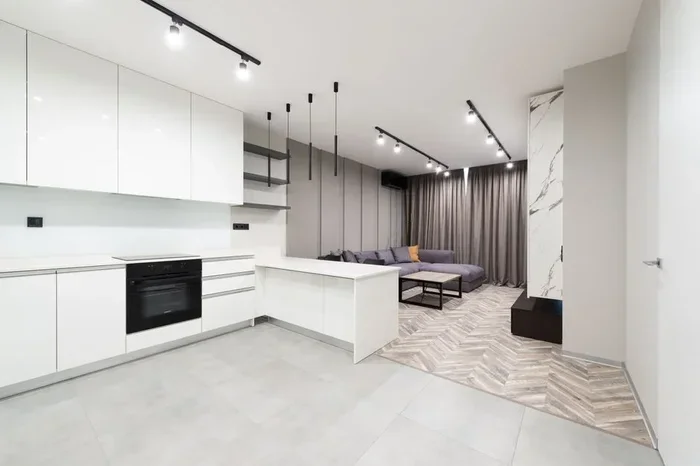
Floor lamps with adjustable necks are perfect for directing light toward a specific area. A tall arc floor lamp next to a sofa creates a dramatic effect. Track lighting, on the other hand, lets you aim multiple lights in different directions. Both options are excellent for creating focal points in larger living rooms.
Best Accent Lighting Living Room Ideas to Try
Now that you know the fixture types, let us explore some specific ideas you can bring into your home today. These accent lighting living room ideas work across different styles and budgets.
Highlight a Reading Corner
Every living room deserves a cozy reading nook. Place a floor lamp with a warm-toned bulb next to your favorite chair. Add a small side table and a soft throw blanket. The focused light makes this corner feel like a retreat. You can also add a wall sconce above the chair for extra ambient glow.
Illuminate Your Art Collection
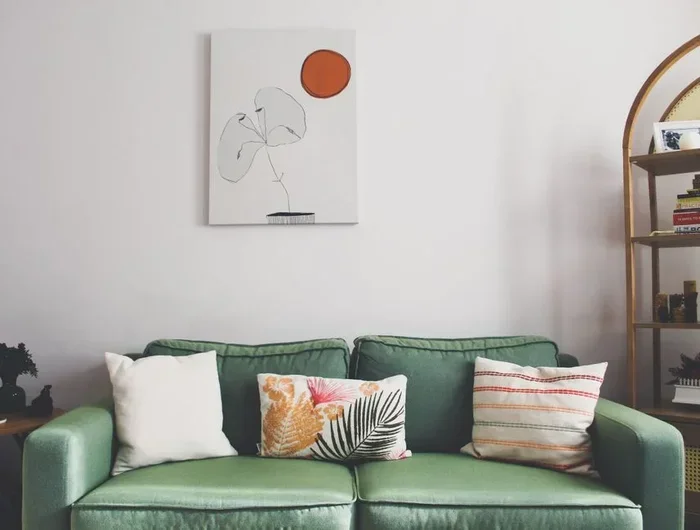
Do you have a wall full of art? Use picture lights or adjustable track lighting to make each piece stand out. Aim the lights at a 30-degree angle to reduce glare. This simple trick turns a plain wall into a curated gallery. Pair this with accent pieces for living room like decorative vases or ceramic objects on a nearby console for a polished look.
Create a Glow Behind the TV
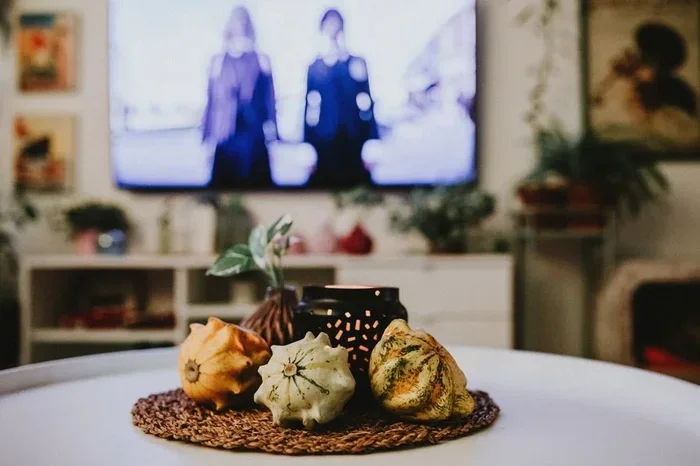
One of the most popular aesthetic living room ideas is placing LED strip lights behind the television. This creates a soft halo effect that reduces eye strain during movie nights. Choose warm white or amber strips for a cozy feel. The backlight also makes the wall appear to float, adding depth to the room.
Use Uplighting to Add Height
Placing lights at floor level and aiming them upward is called uplighting. It makes ceilings appear higher and adds a dramatic, spacious feel. You can use floor lamps, tall candles, or even LED strip lights tucked behind furniture. This technique works especially well in rooms with low ceilings or smaller square footage.
Add a Statement Chandelier or Pendant
While chandeliers are often considered ambient lighting, a bold design can double as an accent piece. A unique Italian leather living room sets style chandelier or a modern geometric pendant draws the eye upward and becomes a focal point. Choose one that matches your room’s color palette and style theme for the best results.
How to Choose the Right Accent Lighting for Your Living Room
With so many options available, choosing the right fixtures can feel overwhelming. Here are some practical guidelines to help you decide.
Consider Your Room Size and Layout
Small living rooms benefit from fewer, well-placed lights. Too many fixtures can make a small space feel cluttered. Large rooms, on the other hand, need multiple light sources to avoid dark corners. Think about your room’s layout and plan where shadows naturally fall. You want to fill those shadowy areas with strategic accent placement.
Match Your Style
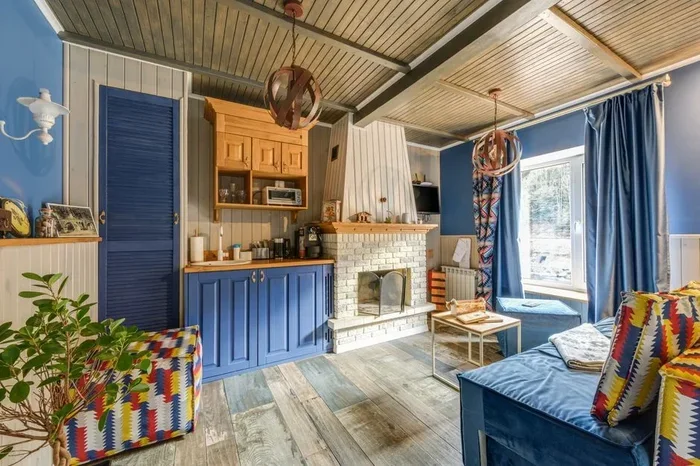
Your lighting should complement your overall decor. If your room has a modern aesthetic, go for clean-lined fixtures in matte black or brushed nickel. For a rustic feel, choose warm wood or brass accents. Love the afro bohemian living room look? Rattan pendant lights and woven lampshades add texture and warmth. The goal is for your lighting to feel like a natural part of the room, not an afterthought.
Pay Attention to Color Temperature
Color temperature, measured in Kelvin (K), affects the mood of your room. Warm white bulbs (2700K-3000K) create a cozy, intimate feel. Cool white bulbs (4000K-5000K) feel crisp and energizing. For most living rooms, warm white is the best choice for accent lighting. It flatters skin tones, makes wood furniture glow, and creates a welcoming atmosphere.
Use Dimmers for Flexibility
One of the best investments you can make is adding dimmer switches. Dimmers let you adjust brightness based on the time of day or the mood you want. Morning coffee calls for bright light, while evening movie nights need a softer glow. Dimming also extends the life of your bulbs and saves energy.
Common Mistakes to Avoid with Accent Lighting
Even with the best intentions, it is easy to make mistakes when planning your accent lighting living room setup. Here are some pitfalls to watch out for.
Over-Lighting the Room
More lights do not always mean better lighting. Too many fixtures create a harsh, busy look. Start with one or two accent lights and add more only if needed. The goal is balance, not brightness.
Ignoring the Placement Angle
The angle at which light hits a surface matters a lot. Lights placed too high create unflattering shadows. Lights placed too low can cause glare. For artwork, aim at a 30-degree angle. For uplighting, place the base close to the wall. Small adjustments in placement make a huge difference in the final result.
Skipping the Dimmer
As mentioned above, skipping dimmers limits your control. A room that is either fully on or fully off feels less designed. Dimmers give you the power to adapt your space to any occasion.
Using the Wrong Bulb Type
Not all bulbs are created equal. LED bulbs are the best choice for accent lighting because they are energy-efficient, long-lasting, and available in warm tones. Avoid cool, blue-toned bulbs in living spaces. They make rooms feel sterile and unwelcoming.
Bringing It All Together: Your Accent Lighting Plan
Now that you have explored the ideas and learned what to avoid, it is time to create a simple plan for your own space. Start by identifying the areas or objects you want to highlight. Is it a piece of art? A cozy reading chair? A textured feature wall? Once you know your focal points, choose fixtures that suit those spots.
Next, think about layering. Combine your accent lighting with ambient light from overhead fixtures and task light from reading lamps. This three-layer approach creates a living room that feels complete and intentional. If you are unsure where to start, look at your current how to place furniture in living room setup and identify the dark or flat areas. Those are perfect spots for accent lights.
Finally, do not be afraid to experiment. Move lamps around. Try different bulb temperatures. Adjust dimmer settings until the room feels just right. Great lighting design is a process of trial and refinement. The effort is absolutely worth it, because the right lighting transforms not just a room, but the entire experience of being in it.
Whether you are working with a compact apartment setup or a spacious family room, accent lighting living room solutions can be adapted to fit any space. Start small, stay intentional, and watch your living room come alive with depth, warmth, and personality.
Frequently Asked Questions
What is the best accent lighting for a living room?
The best accent lighting depends on your room’s style and size. Wall sconces, picture lights, and LED strip lights are among the most popular choices. Wall sconces add warmth and are easy to install. Picture lights are perfect for highlighting artwork. LED strips work great for modern, tech-forward spaces. Choose the type that matches your room’s aesthetic and the features you want to emphasize.
How do I choose the right color temperature for accent lighting?
For most living rooms, warm white bulbs between 2700K and 3000K work best. This range creates a cozy and inviting atmosphere. It also flatters wood furniture and warm-toned decor. Avoid cool white bulbs (4000K and above) for accent lighting in living spaces, as they can make the room feel cold and clinical. If you want a bright, energizing feel, use cool white only in task areas like reading corners.
Can I use accent lighting in a small living room?
Absolutely. In fact, accent lighting is even more important in small rooms because it adds depth and makes the space feel larger. Use a few well-placed wall sconces or a single floor lamp with an adjustable neck. Avoid cluttering the room with too many fixtures. Focus on highlighting one or two key features to keep the space feeling open and intentional.
How many accent lights do I need in my living room?
There is no fixed number. A good rule of thumb is to start with two to three accent lights and adjust from there. Place them at different heights and angles to create visual interest. The goal is to highlight focal points without over-lighting the room. You can always add more later if certain areas still feel flat or shadowy.
Do accent lights need to be installed by a professional?
Most accent lights do not require professional installation. Wall sconces and picture lights are typically plug-in or simple hardwired options that a handy homeowner can handle. LED strip lights are adhesive-backed and peel-and-stick. However, if you plan to hardwire fixtures directly into your electrical system, it is wise to hire a licensed electrician for safety.
What is the difference between accent lighting and ambient lighting?
Ambient lighting is the general, overall light in a room, usually from ceiling fixtures or large floor lamps. Accent lighting is more focused and directional, designed to highlight specific objects or areas. The best living rooms use both types together. Ambient light fills the room, while accent light adds depth, drama, and visual interest to key features.
=== CONCLUSION ===
Accent lighting living room design is a powerful yet simple way to transform your home. It adds warmth, depth, and personality without requiring a major renovation. Whether you choose wall sconces, picture lights, or LED strip lights, the key is to place them thoughtfully and layer them with your existing light sources. Start with one or two fixtures, experiment with placement, and adjust until the room feels just right. Your living room deserves to feel as beautiful and intentional as the design behind it.